Best JobFinder Blog
Job search, smarter
Guides, comparisons, and strategies for automating your job search — without burning out.
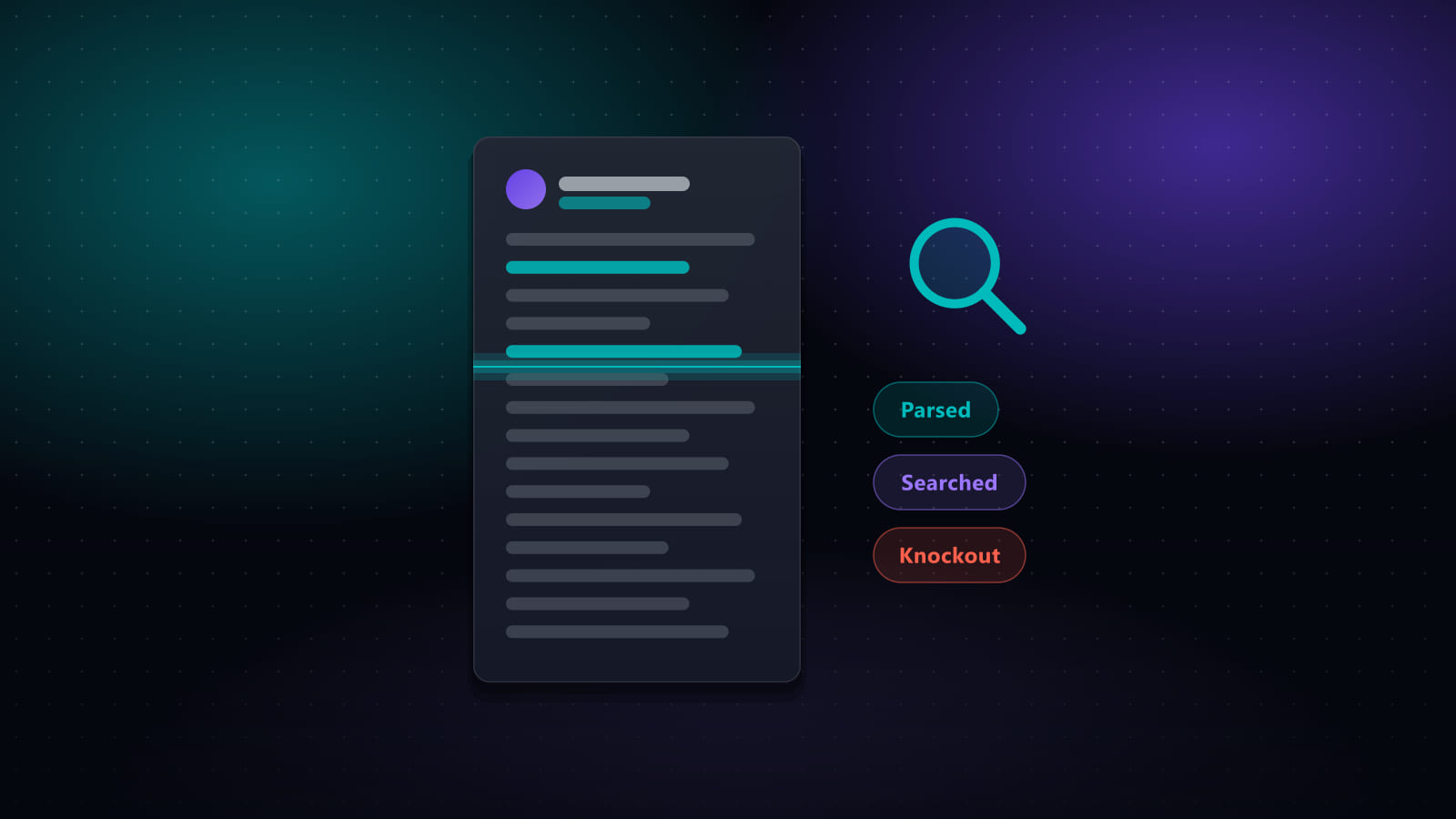
How ATS Screening Actually Works, and What “Beat the ATS” Advice Gets Wrong
An applicant tracking system parses, stores and lets a recruiter search. It rarely rejects anyone on its own. What really happens to your resume after Submit, and the handful of formatting and wording rules that matter.
 Resume Tips
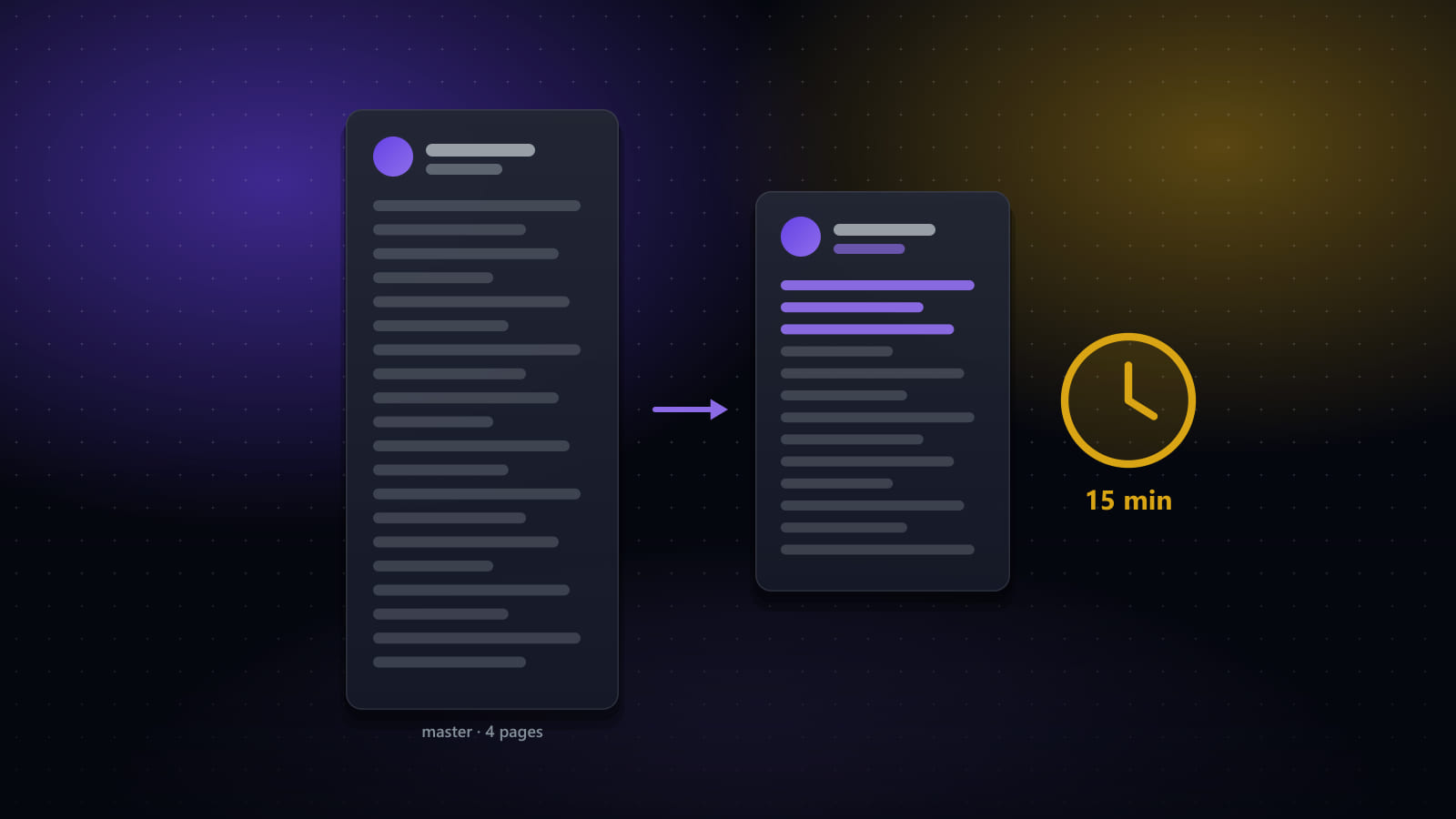
Tailor Your CV to a Job in 15 Minutes: The Master-Resume Method, With a Git Workflow for Developers
Keep one master resume with every bullet you have ever earned, then cut a job-specific version in four timed steps. A repeatable method, a before/after bullet, and a way to version the whole thing like code.
 Resume Tips
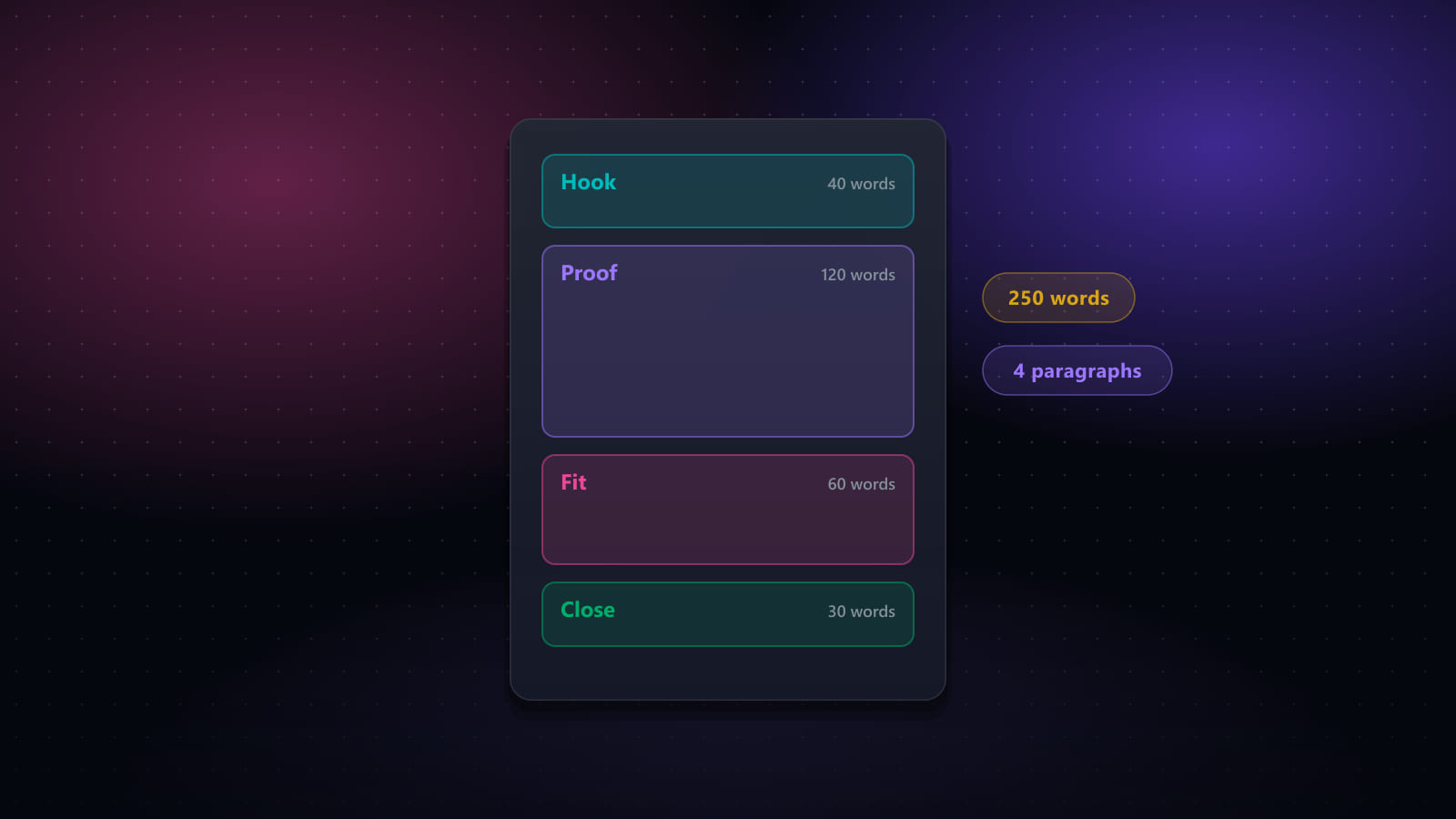
Cover Letters: When to Write One, When to Skip It, and a Four-Paragraph Structure That Is Not Generic
Most cover letters fail the one-sentence test: could this be sent to any other company? When a letter changes the outcome, when it is wasted effort, a 250-word structure with word budgets, and how to use AI for the draft without sounding like AI.
 How-To Guides
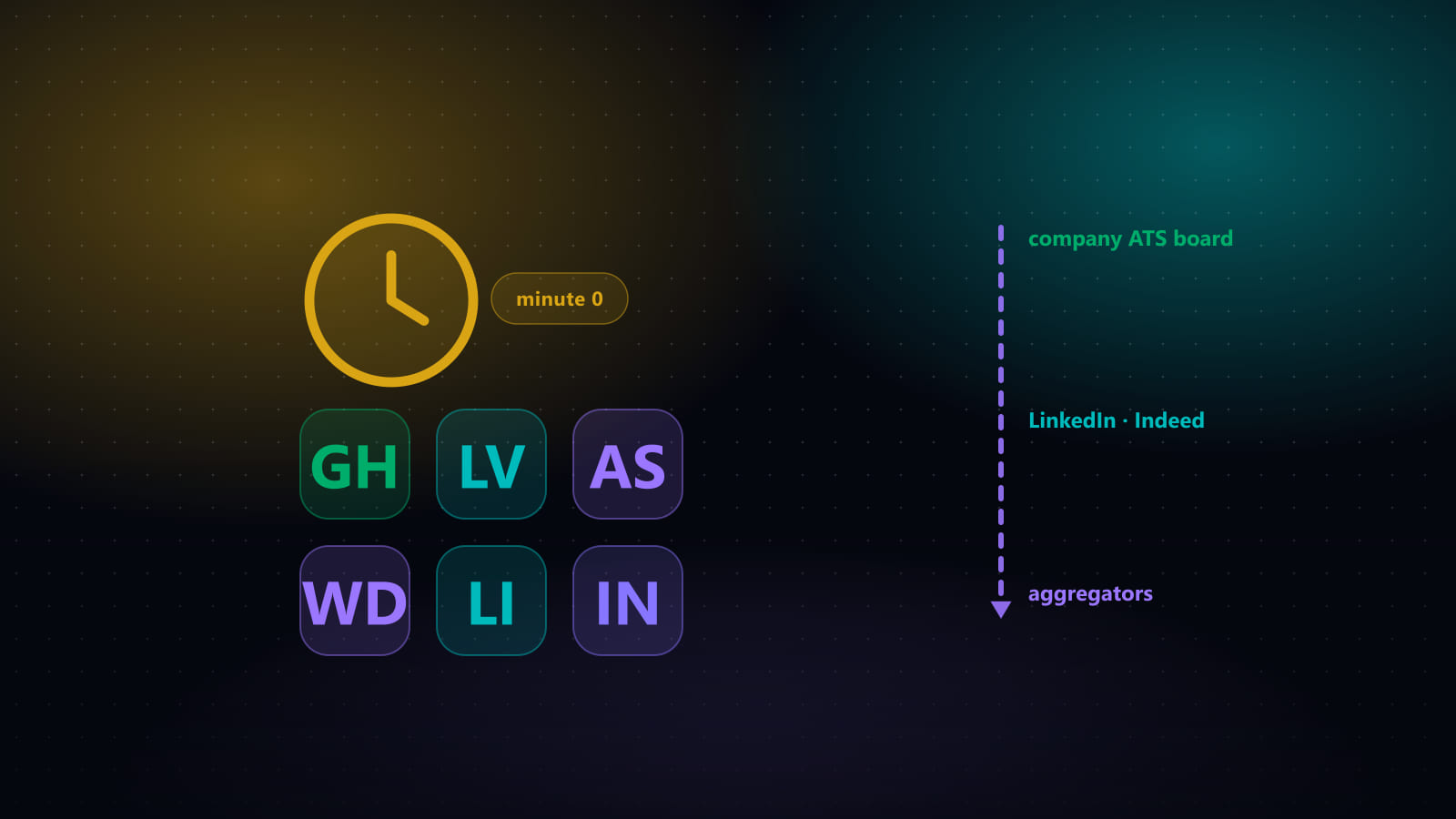
Where Developer Jobs Surface First, and How to See Them Within Hours Instead of Days
A posting is created in the company's ATS before it reaches LinkedIn, and reaches LinkedIn before the aggregators. The public Greenhouse and Lever endpoints, the search operators and the daily routine that put you in the first batch of applicants.
 How-To Guides
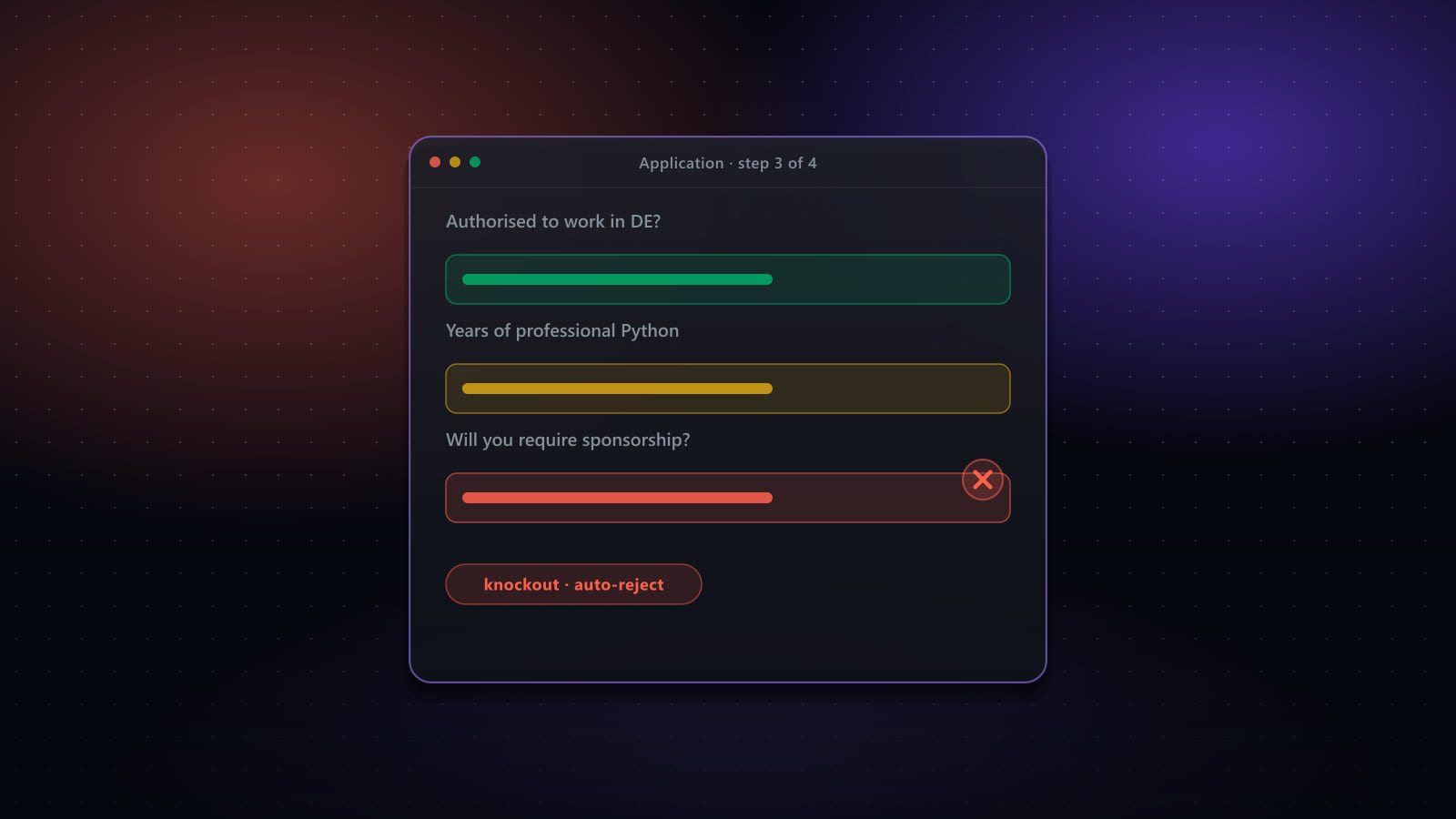
The Screening Questions That Silently Reject You, and How to Answer the Rest
Application forms ask three kinds of questions: knockouts that reject automatically, numeric and choice fields that recruiters filter on, and free-text questions a human reads first. Each needs a different answer strategy, and all of them need an answer bank.
 Engineering
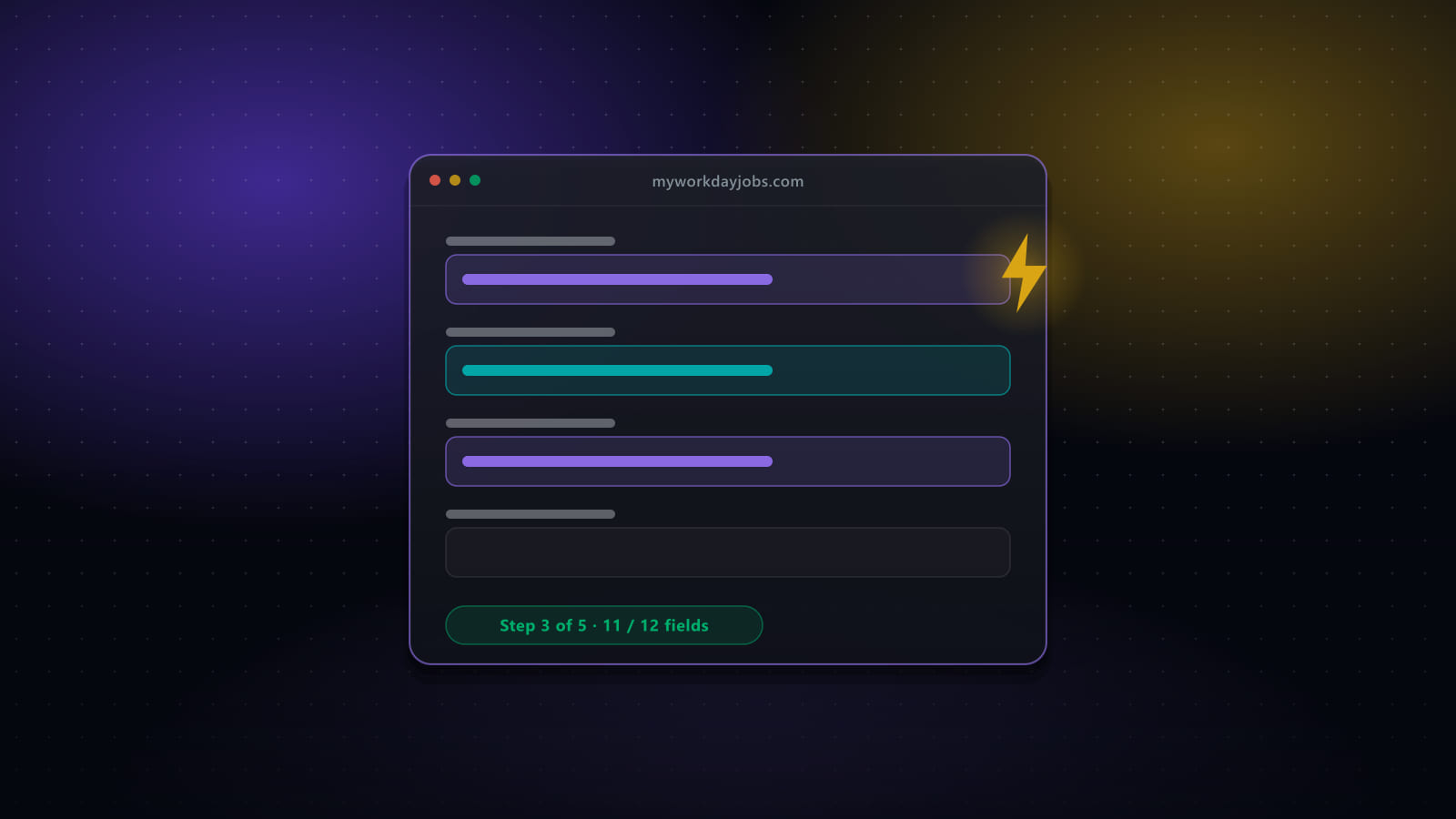
Seven Things We Learned Automating Job Application Forms on Workday, Greenhouse, Lever and LinkedIn
Dialogs you cannot select, uploads that arrive as 0-byte files, labels that come out as “Required”, and the other traps in automating ATS forms. Engineering notes from building Best JobFinder's auto-apply.
 Engineering
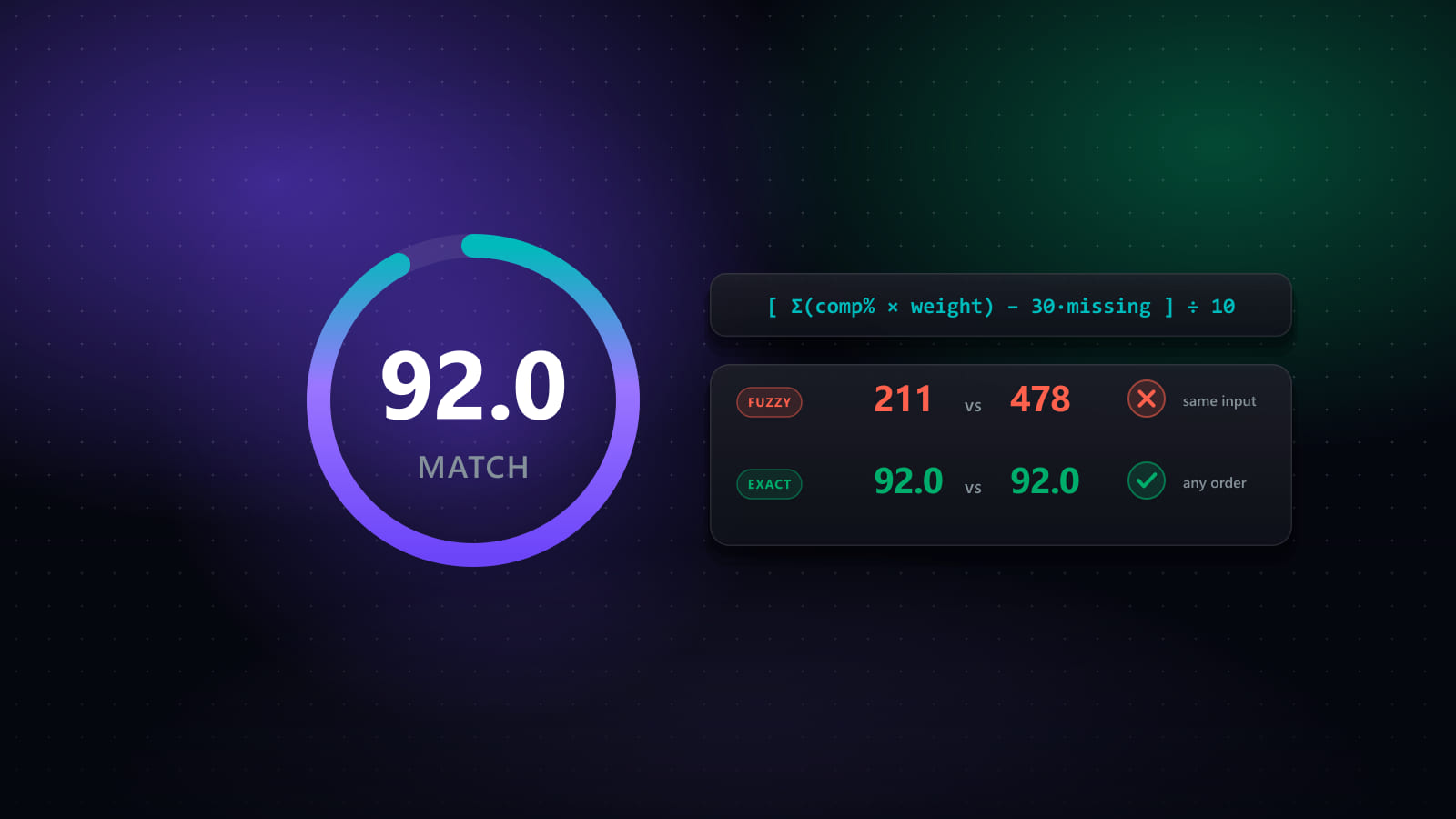
Our Job Match Score Changed When You Reordered Your Skills: A Postmortem
A fuzzy-matching shortcut made the same job score 211 in one run and 478 in the next. How it happened, why three screens showed three numbers, and the deterministic formula and parity tests that replaced it.
 Engineering
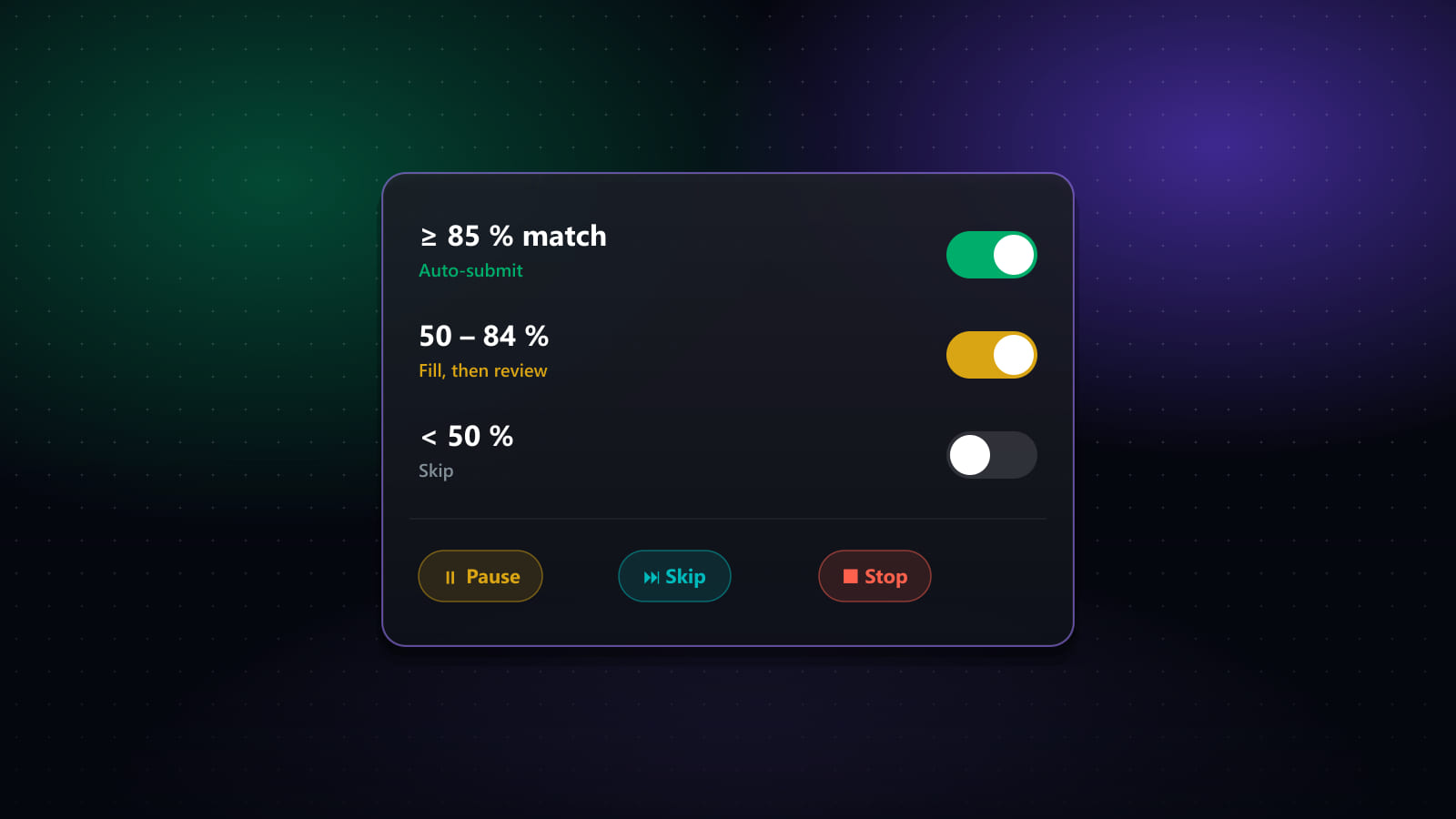
Auto-Apply Without Spray-and-Pray: The Design Decisions Behind a Run You Can Pause, Edit and Stop
Thresholds instead of a switch, a live overlay with Pause, Skip and Stop, corrections that become your stored answers, human pacing, a captcha policy, and the four things the run never does.
 AI & Automation
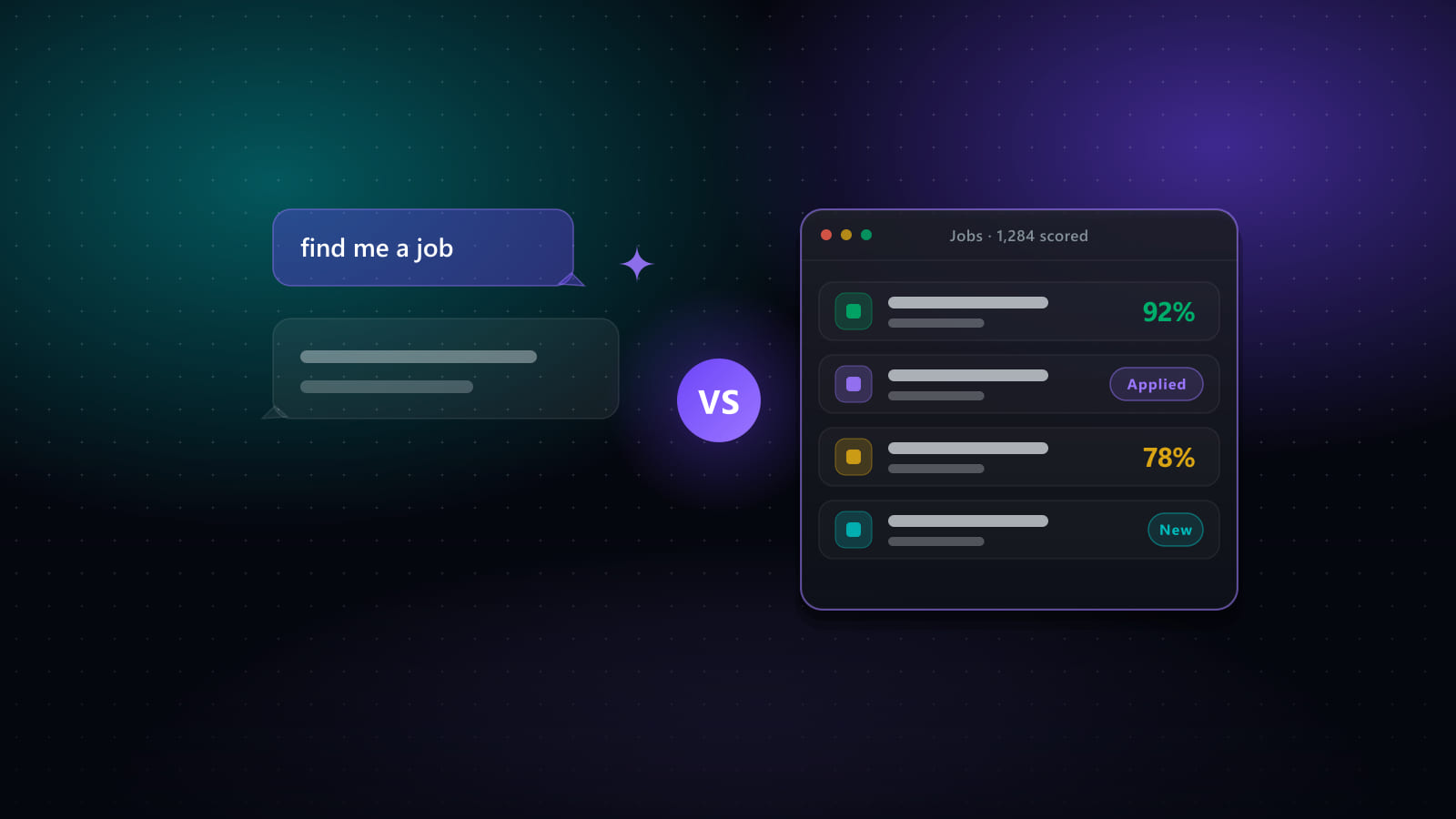
Why Not Just Use ChatGPT? DIY AI vs a Job Search Platform, From Someone Who Built the Platform
Plain chat, agent mode, or your own Playwright script: three ways developers try to run a job search with AI, where each one breaks, and the list of things you end up building anyway.
 Comparisons
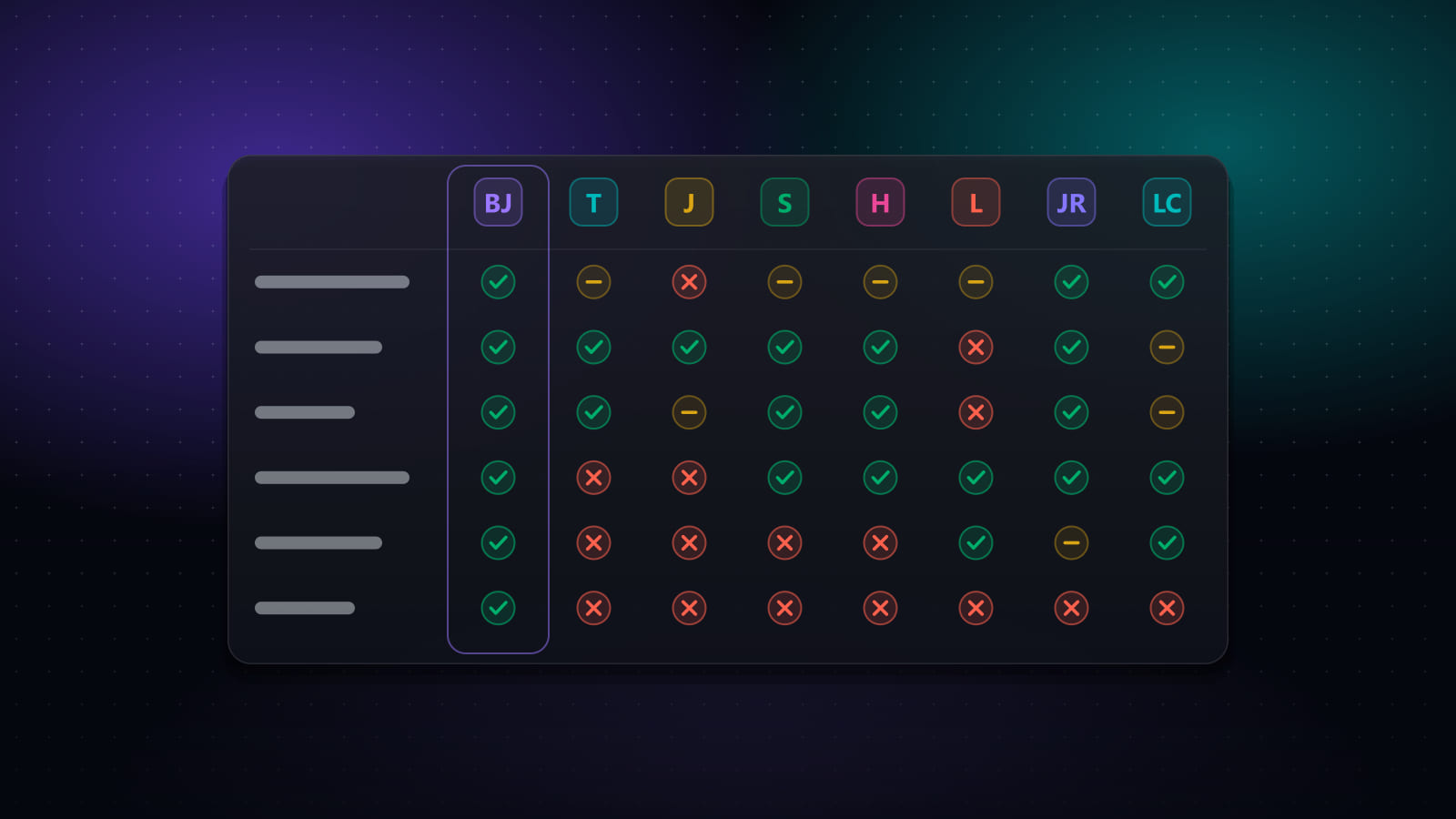
Best JobFinder vs Simplify, Teal, Jobscan, Huntr, LazyApply, Jobright and LoopCV: A Capability Matrix, Not a Ranking
Eight AI job-search tools compared on ten capabilities and price, with every competitor claim taken from that vendor's own page, where the other seven are stronger, and which one fits which search.
 AI Guides
Best AI Job Search Tools in 2026: How to Choose the Right Fit
Discover the best AI job search tools in 2026 to streamline applications, tailor resumes, and save time while maintaining full control over your career search.
 How-To Guides
A Job Search Workflow for Job Seekers: Build a Repeatable Plan
Master your job search workflow for job seekers. Build a repeatable weekly plan to find target roles, track applications, and land interviews with ease.
 AI Guides
Job Application Automation Software: How to Choose a Smarter Job Search System
Learn how to choose the best job application automation software to cut repetitive tasks, track submissions, and maintain full control over your job search.
 Resume Tips
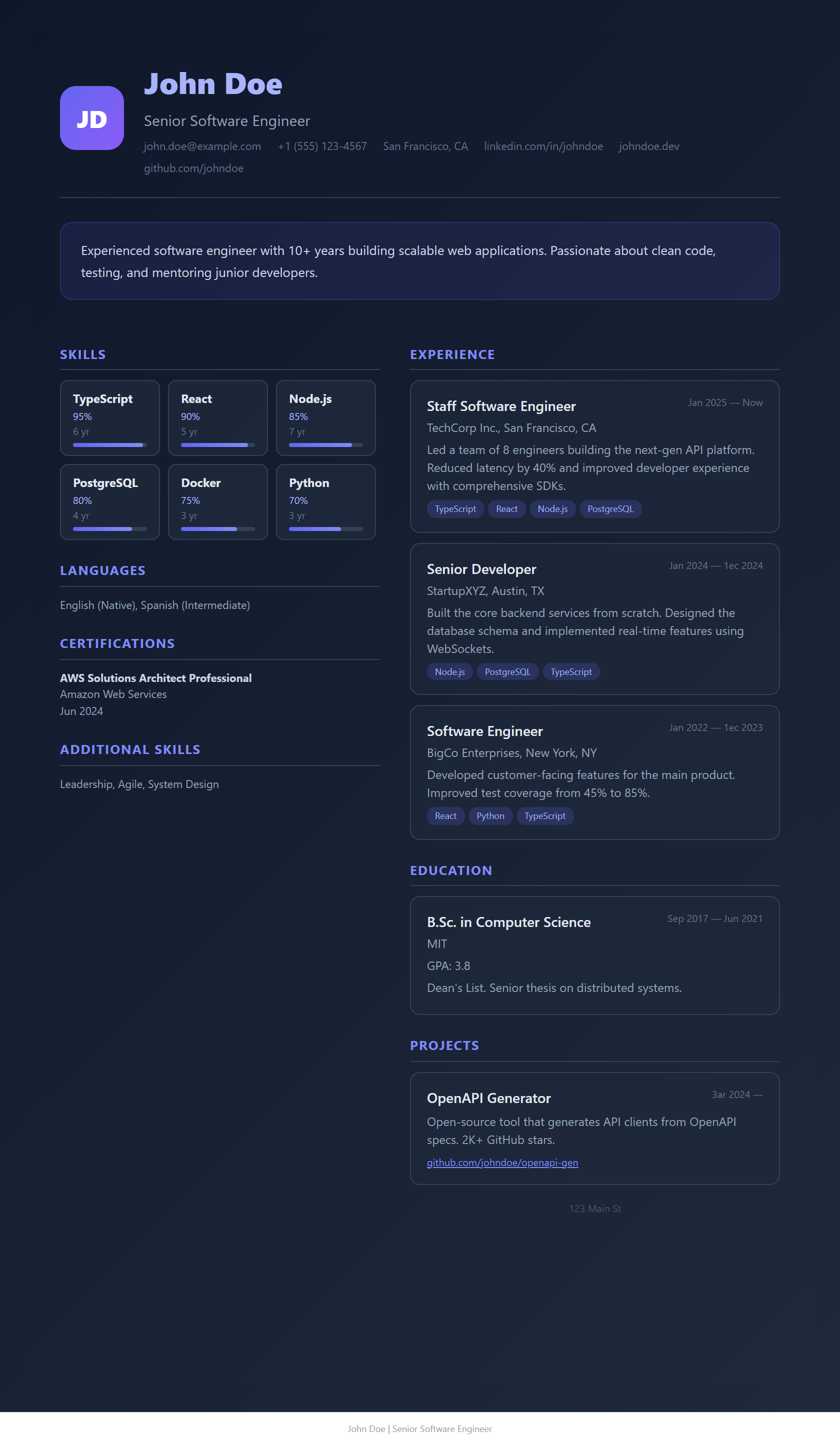
AI Resume & Cover Letter Templates: How Tailored Applications Get You More Interviews
A resume tailored to the job description gets 1.6x more callbacks. Here's how AI resume and cover letter generation works, and how to pick the right template for the role.
 Comparisons
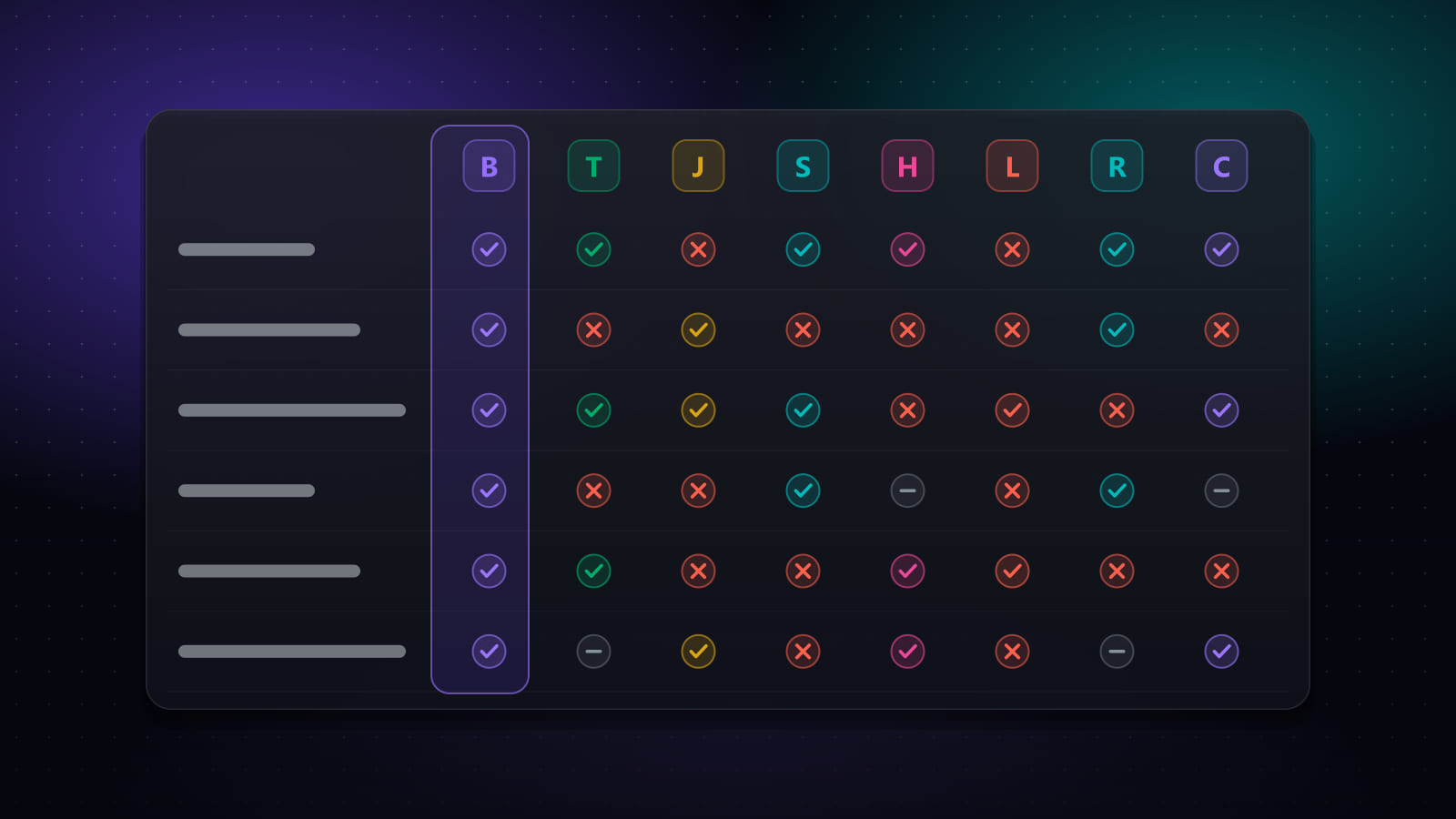
Best AI Job Search Tools in 2026: 8 Products Compared
A factual, side-by-side comparison of Best JobFinder, Teal, Jobscan, Simplify, Huntr, LazyApply, Jobright and LoopCV — capabilities, pricing and limitations, with sources and a verification date.
 How-To Guides
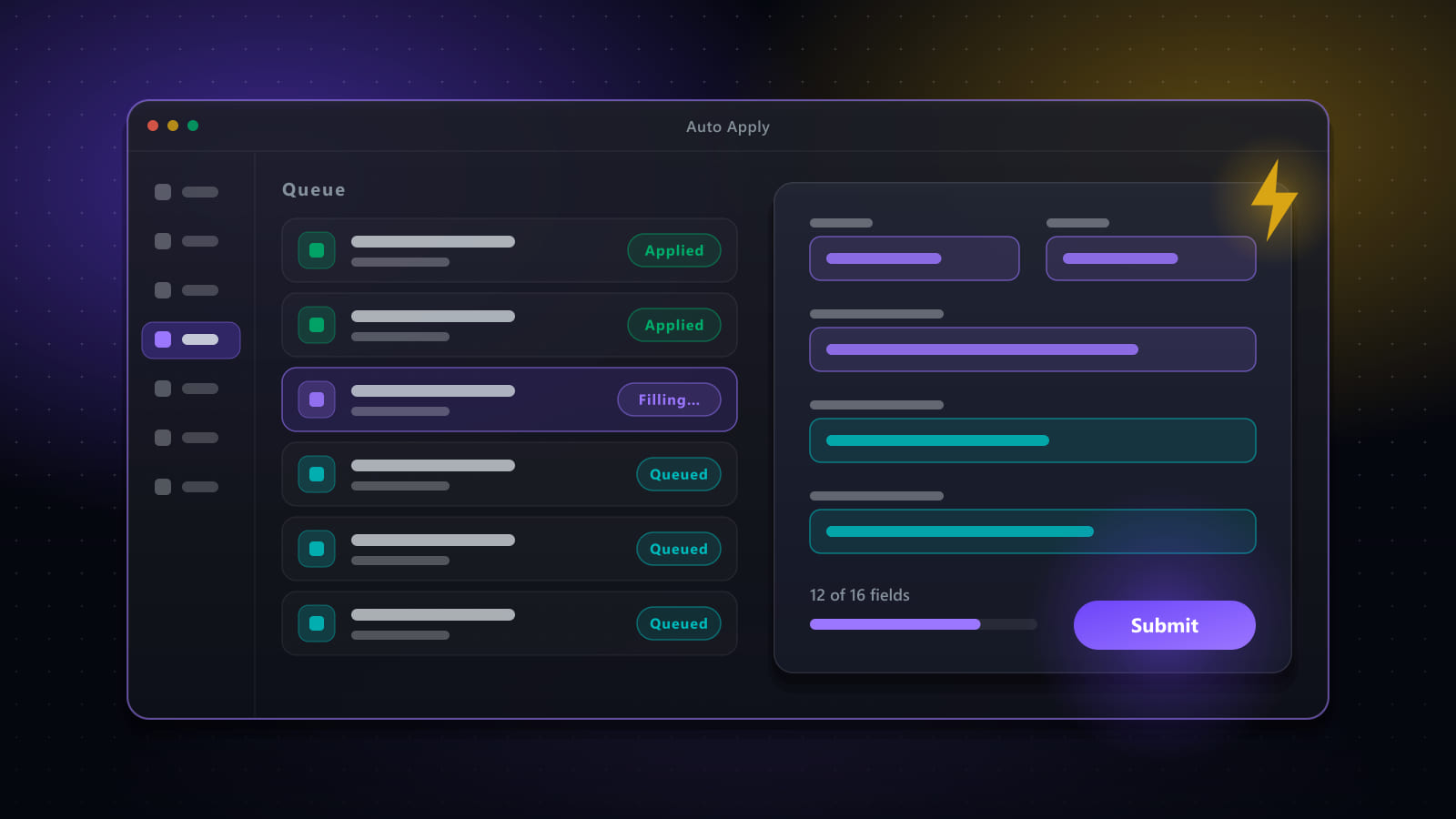
How to Auto-Apply to Jobs in 2026 (Step-by-Step Guide)
Job seekers spend 20–30 hours a week filling out forms. Auto-apply tools fix this. Here's how to set up auto-applying the right way and which tools to use.
 How-To Guides
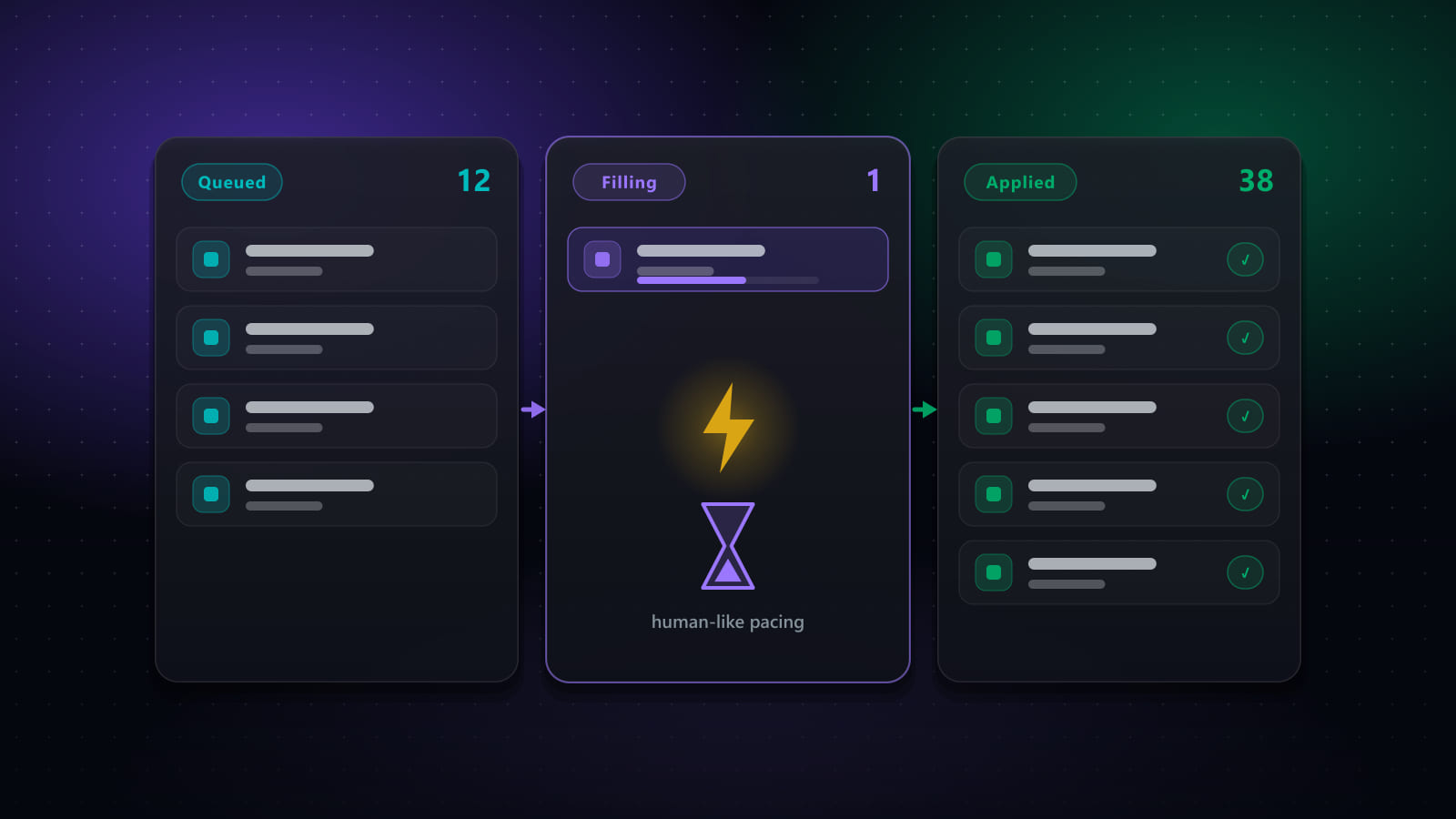
How to Automate Your Job Applications in 2026
Yes, there are apps that apply to jobs for you. Here's how automation actually works, what your options are at every level, and how to set it up in under 20 minutes.
 Career Tips
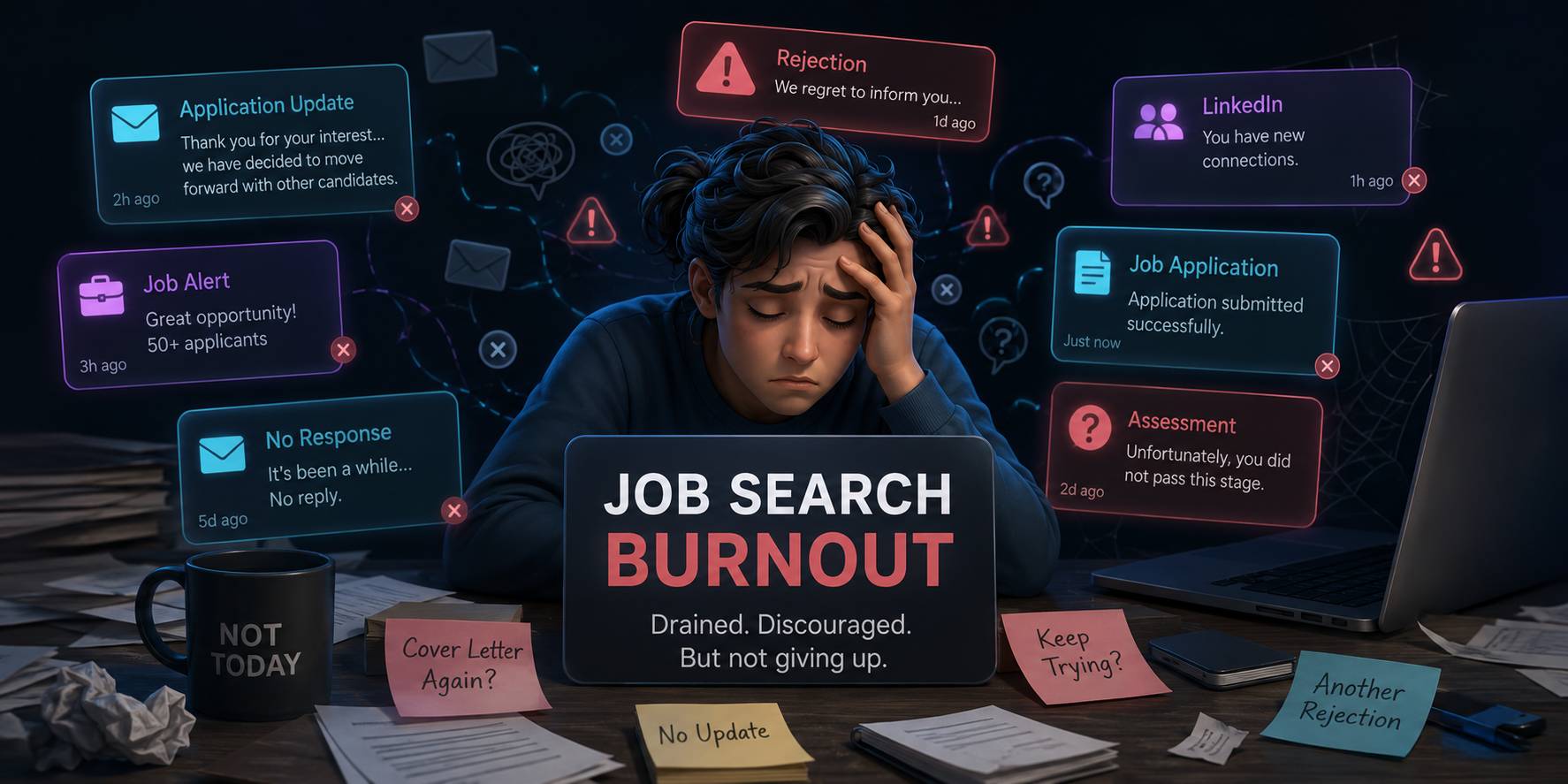
Job Application Burnout Is Real. Here's How to Fix It.
65% of job seekers say finding work is harder than two years ago. The average job seeker submits 100–200 applications before landing an offer. Automation changes the math.
 LinkedIn
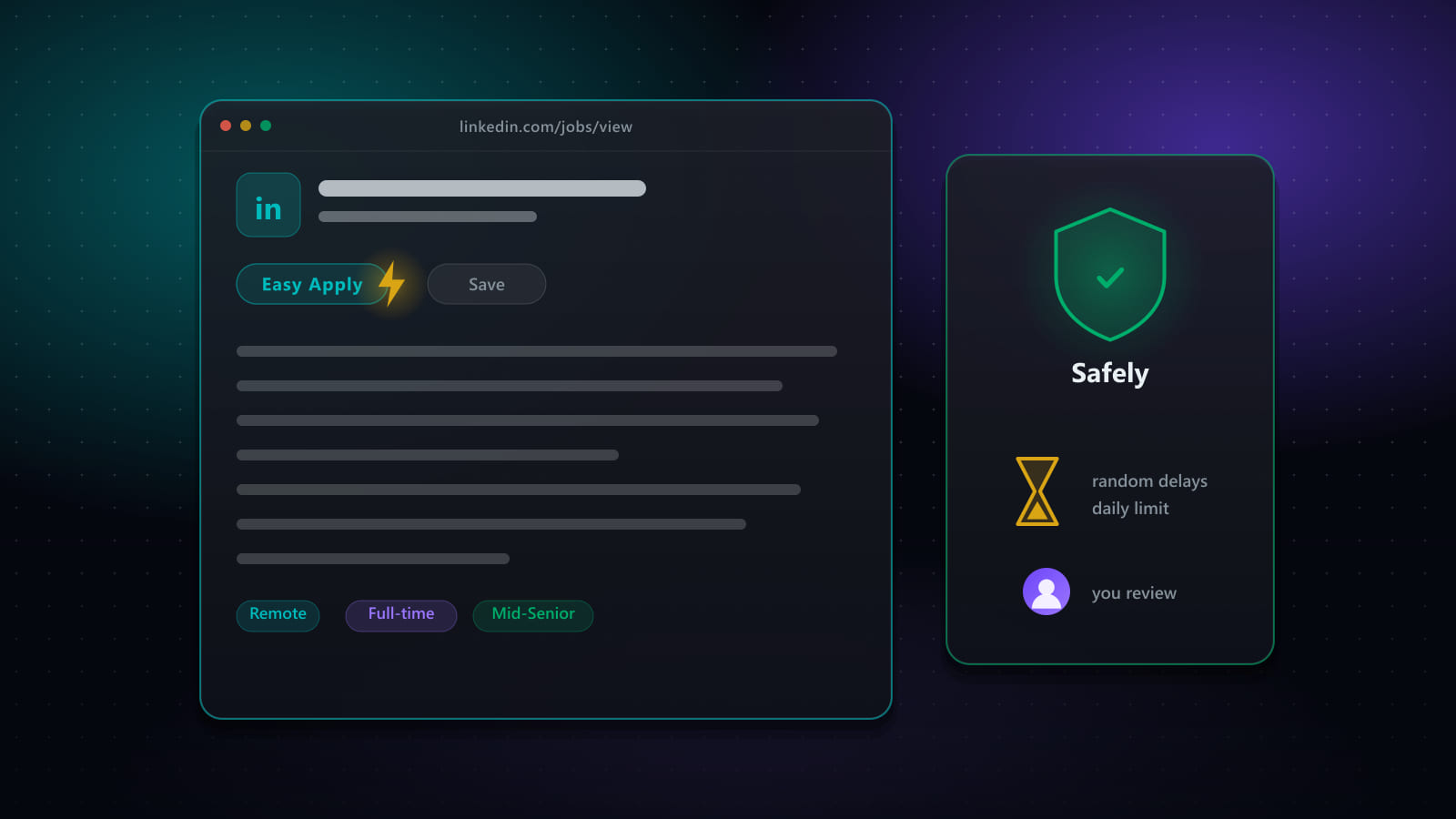
How to Automate LinkedIn Job Applications (Safely) in 2026
LinkedIn has gotten aggressive about detecting bots. Here's how to automate LinkedIn Easy Apply safely, which tools to use, and which mistakes can get your account banned.
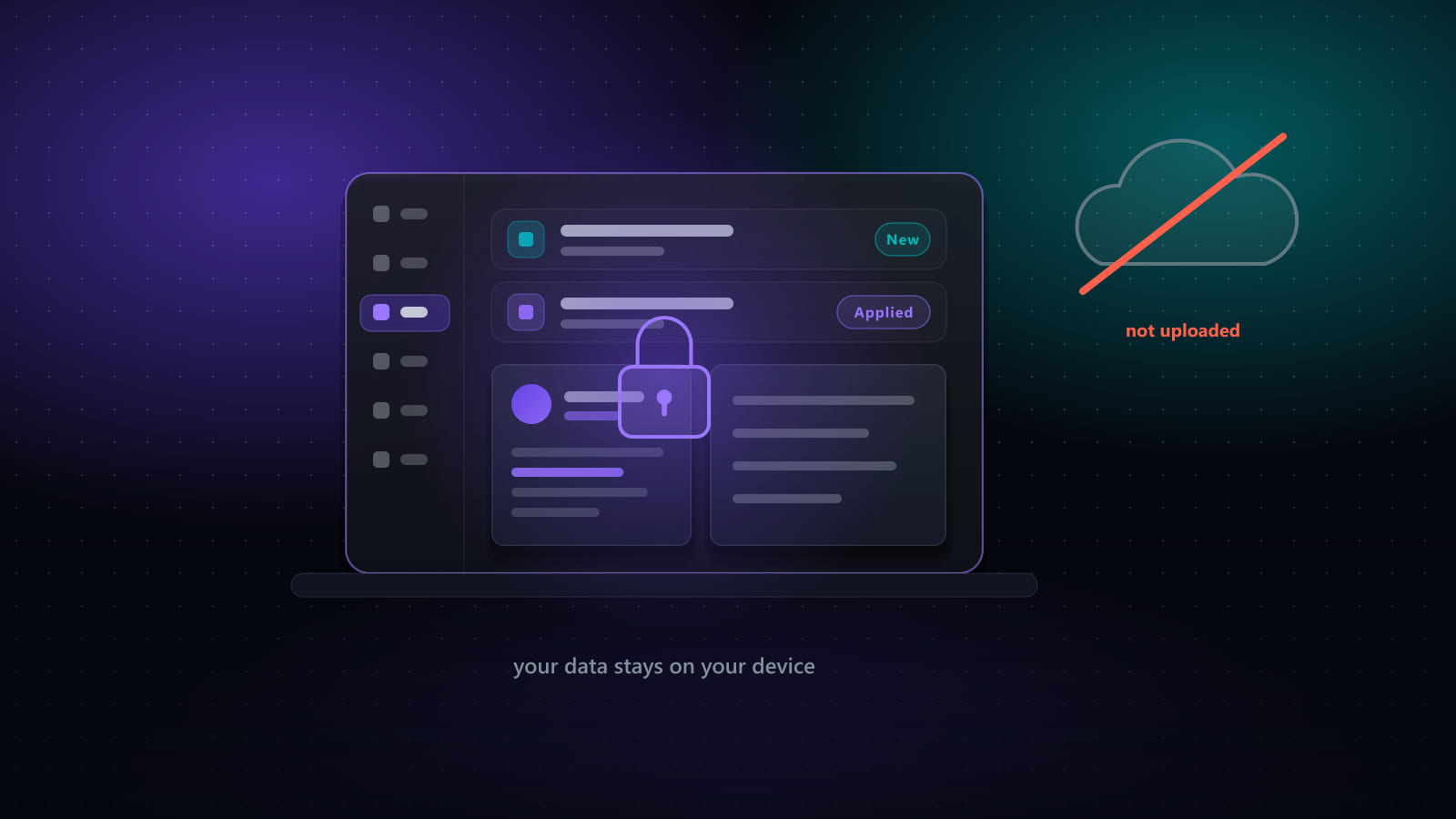 Privacy
-First Job Search Tools: Keep Your Data Local in 2026
Job search tools collect your most sensitive personal data. Most cloud tools store it on their servers. Here are the privacy-first alternatives that keep your data under your control.
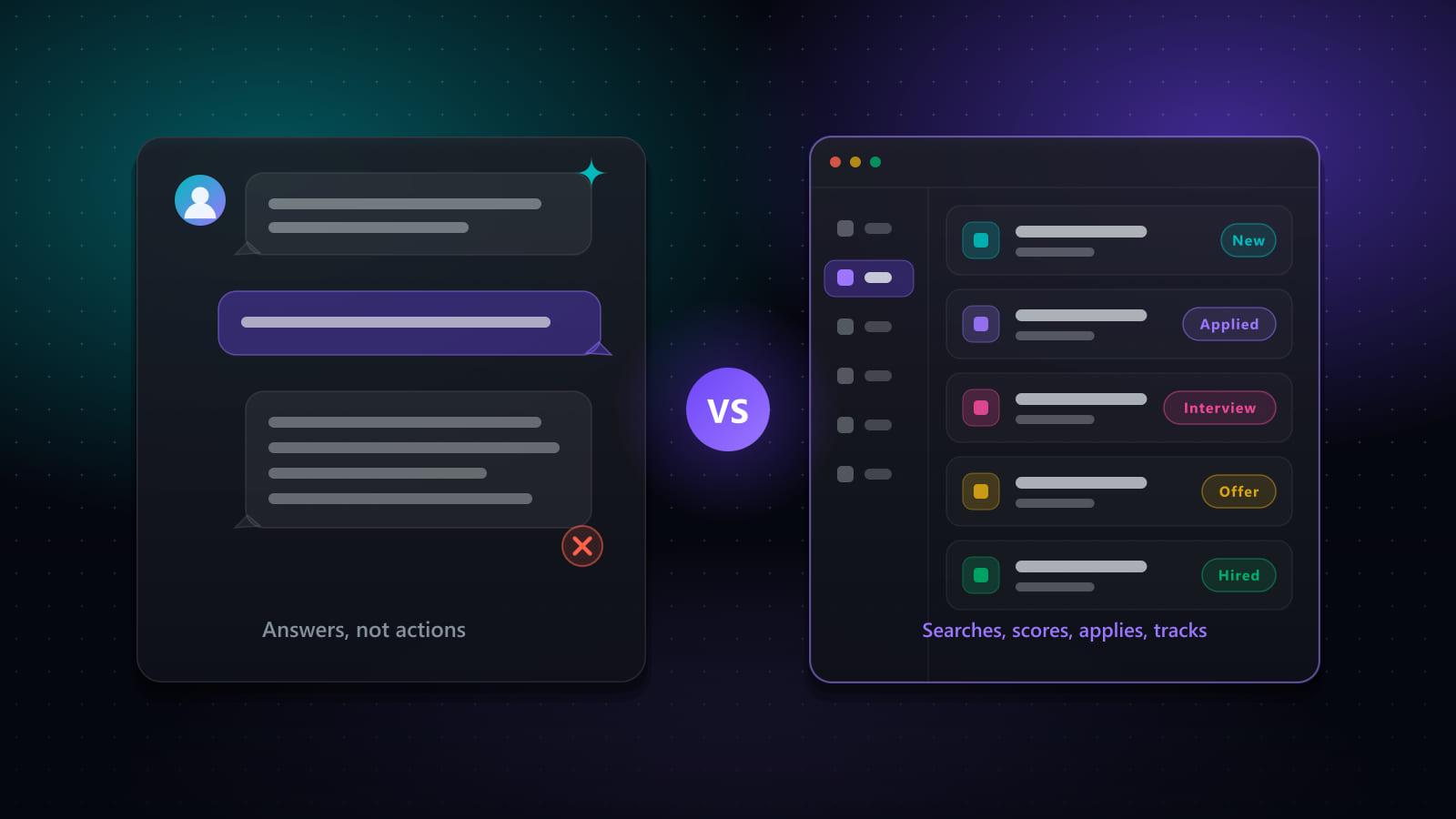 Comparisons
Can ChatGPT or AI Agents Replace a Job Search Platform?
ChatGPT and agentic AI coworkers are great at reasoning, but neither remembers your job search from one day to the next, safely automates 20+ job boards, or protects your accounts while doing it. Here's the real comparison.
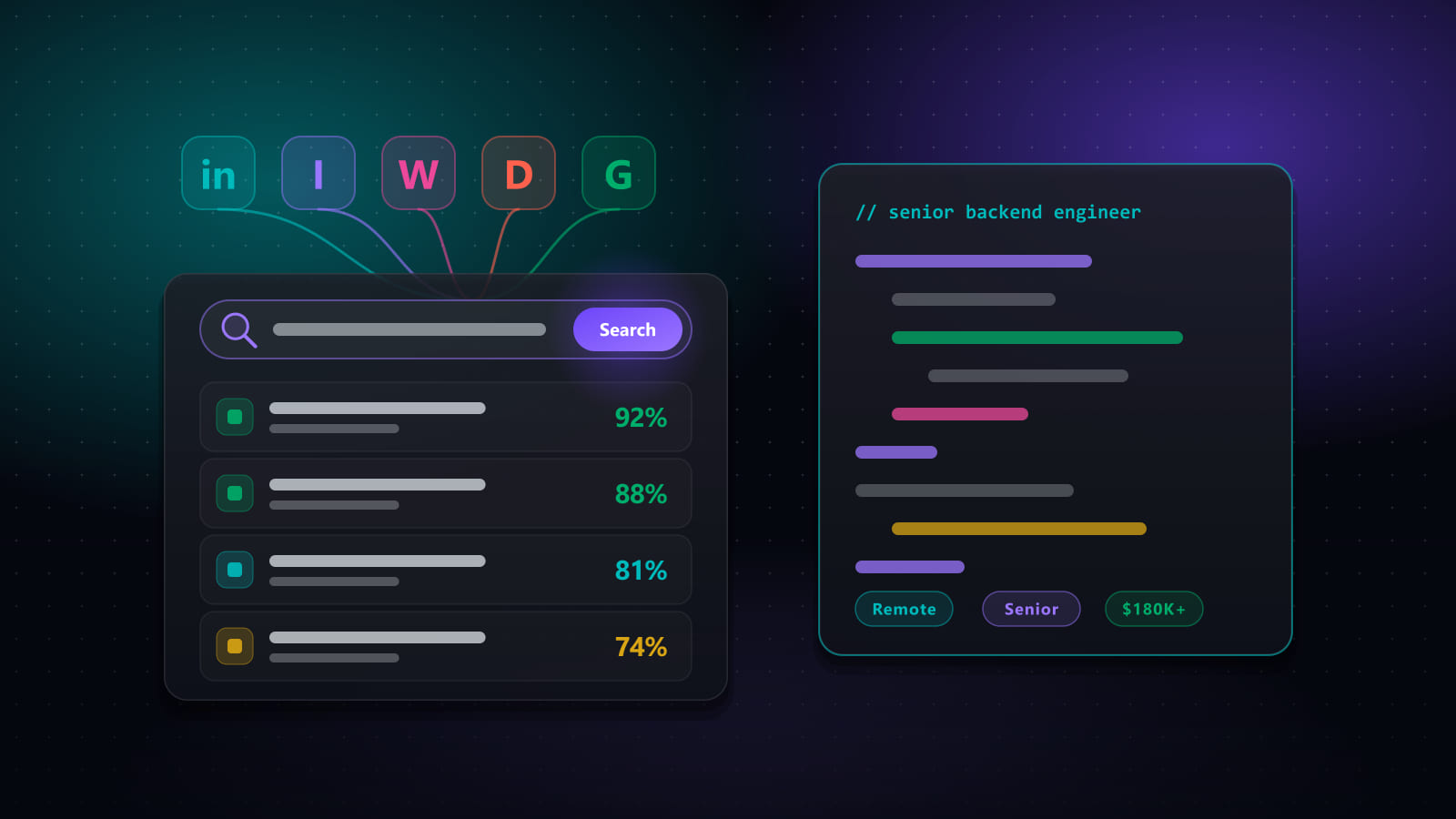 Comparisons
Best Job Boards for Software Engineers in 2026: LinkedIn vs Indeed vs Wellfound vs Dice vs Greenhouse
A practical board-by-board breakdown for software engineers: where to source volume, where to find startup roles, and where ATS quality is strongest in 2026.
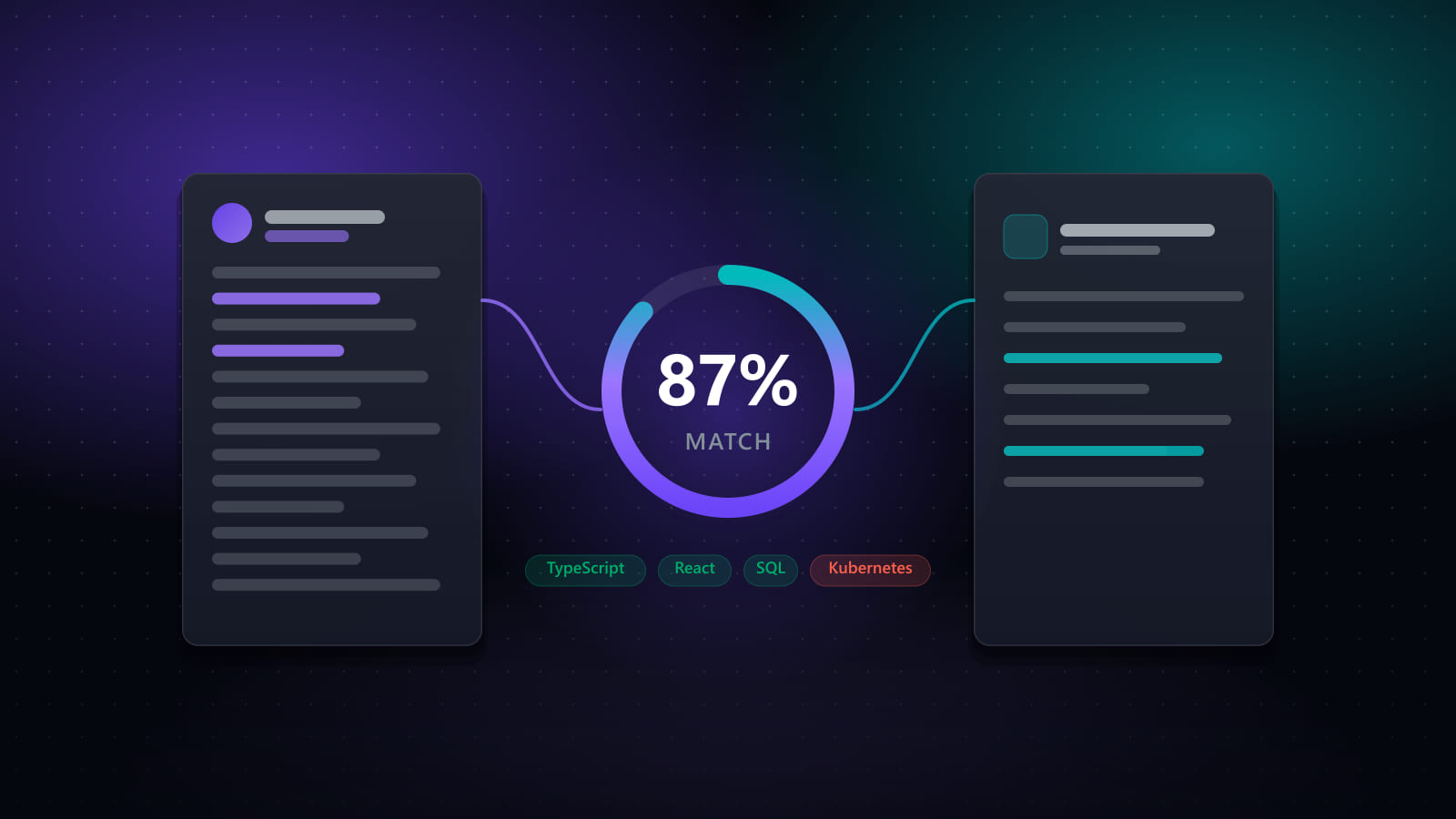 AI Guides
AI Job Matching: How AI Scores Jobs Against Your Resume
How job match AI systems score compatibility, where false negatives come from, and how to improve your score without keyword stuffing.
 Resume Tips
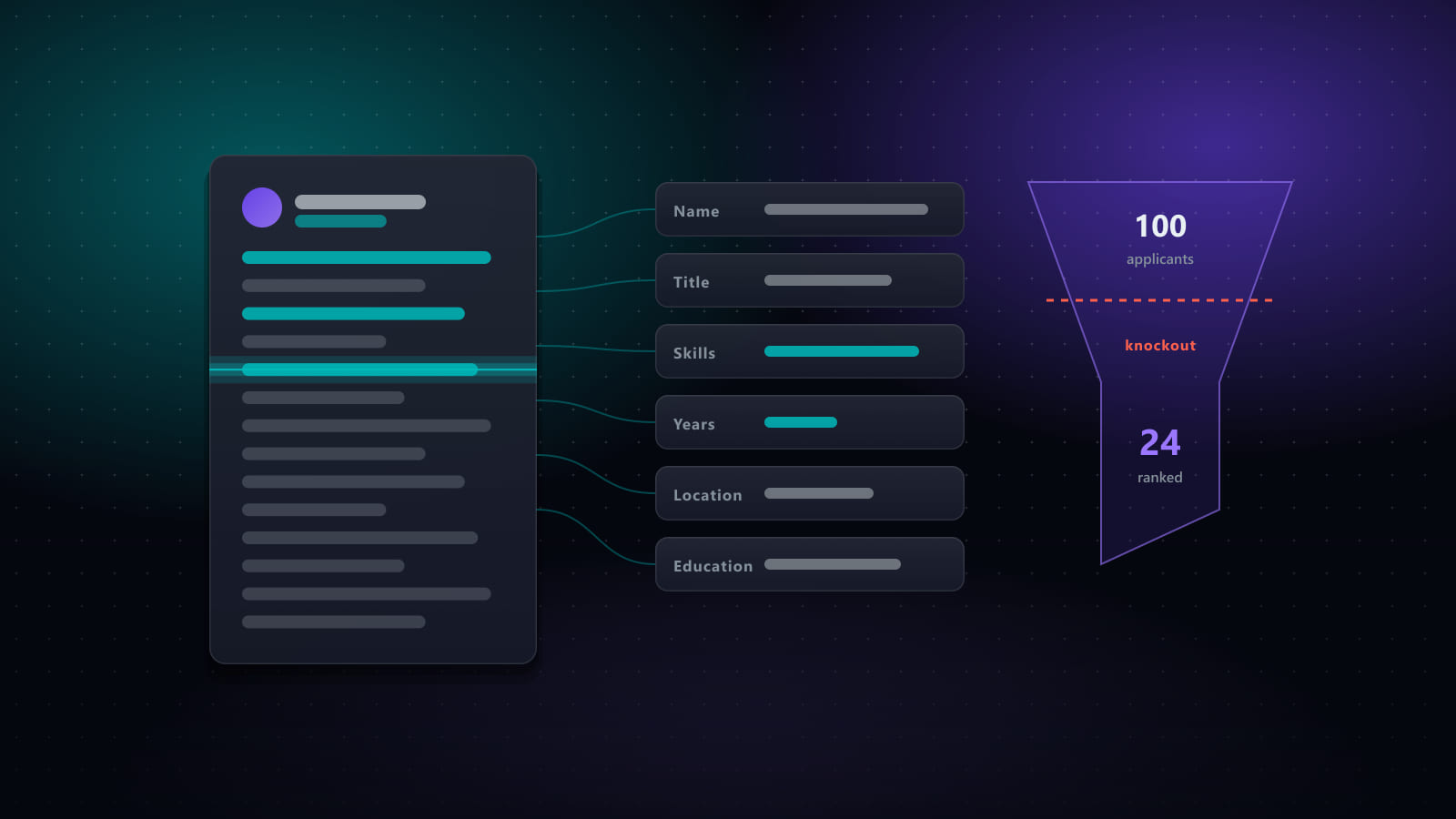
ATS Explained: How Applicant Tracking Systems Screen Your Resume in 2026
An up-to-date ATS explainer covering parsing, knockout filters, ranking models, and the formatting decisions that still affect pass-through rates.
 How-To Guides
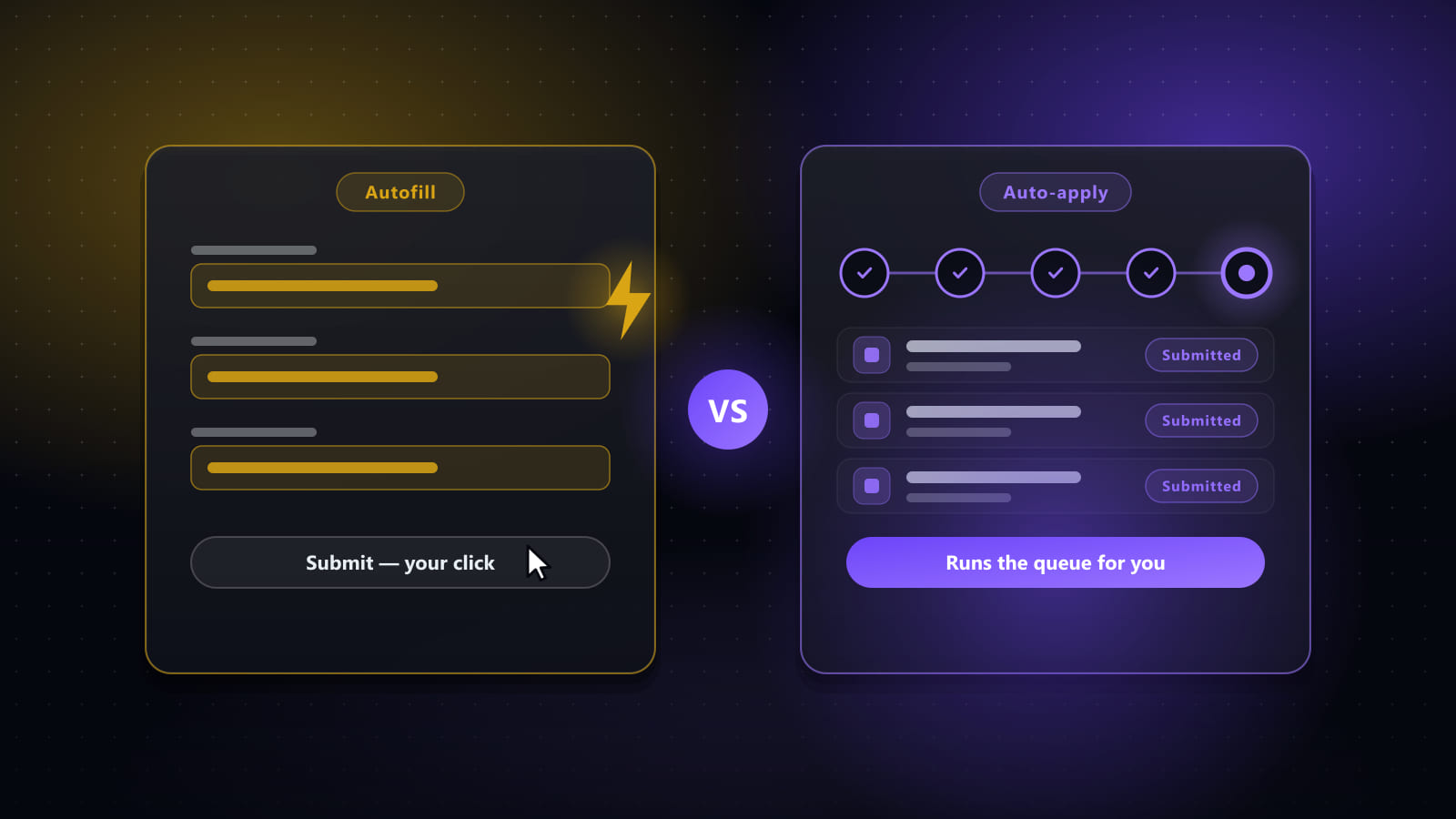
Auto-Apply vs Autofill: What's the Difference and Which Is Better?
Auto-apply and autofill sound similar, but they solve different parts of the process. Here is a decision framework for speed, quality, and control.
 Comparisons
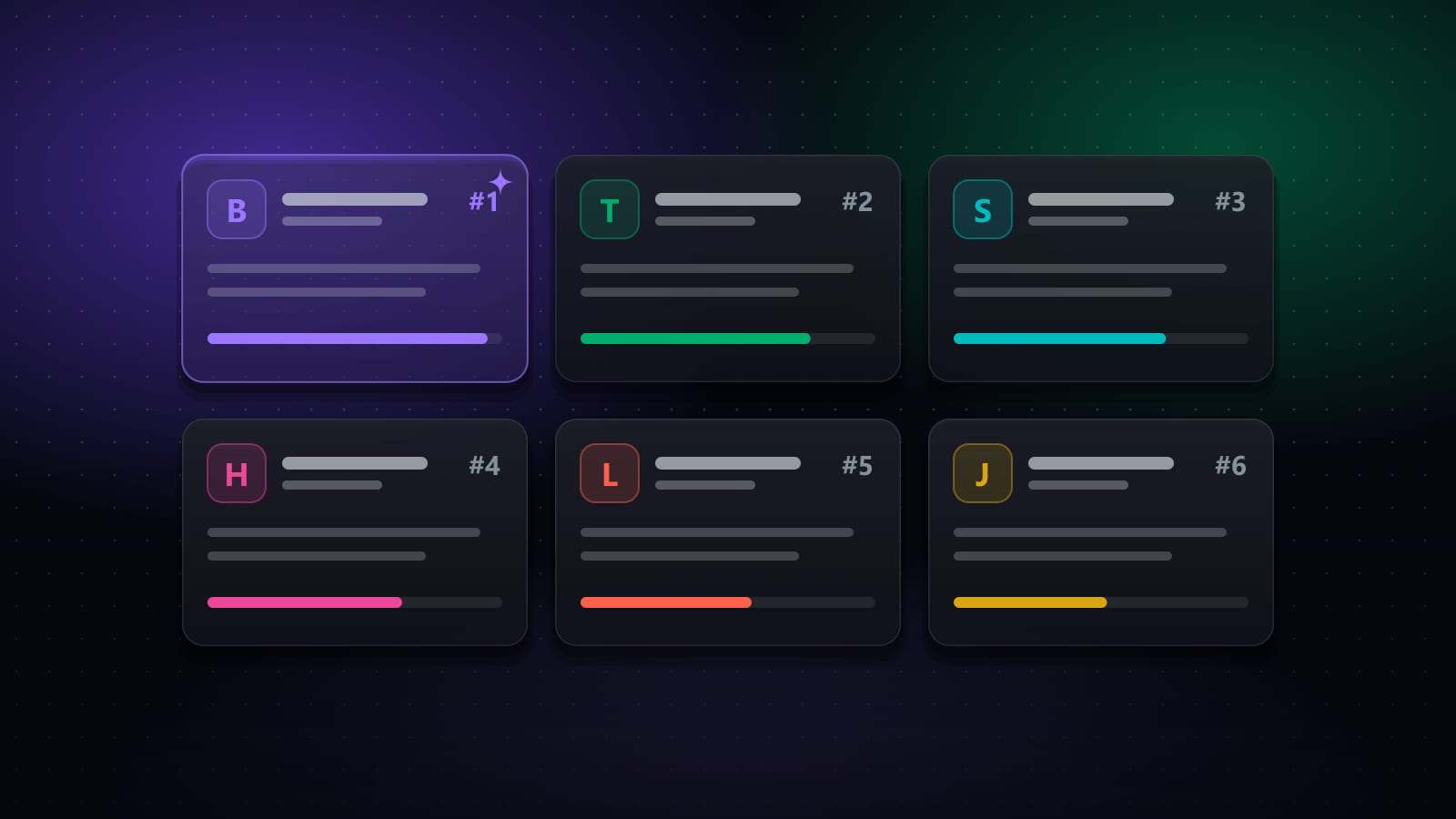
Best JobRight Alternatives in 2026: AI Job Search Tools Compared
A high-intent comparison of JobRight alternatives focused on automation depth, match quality, and whether each product supports full workflow execution.
 Comparisons
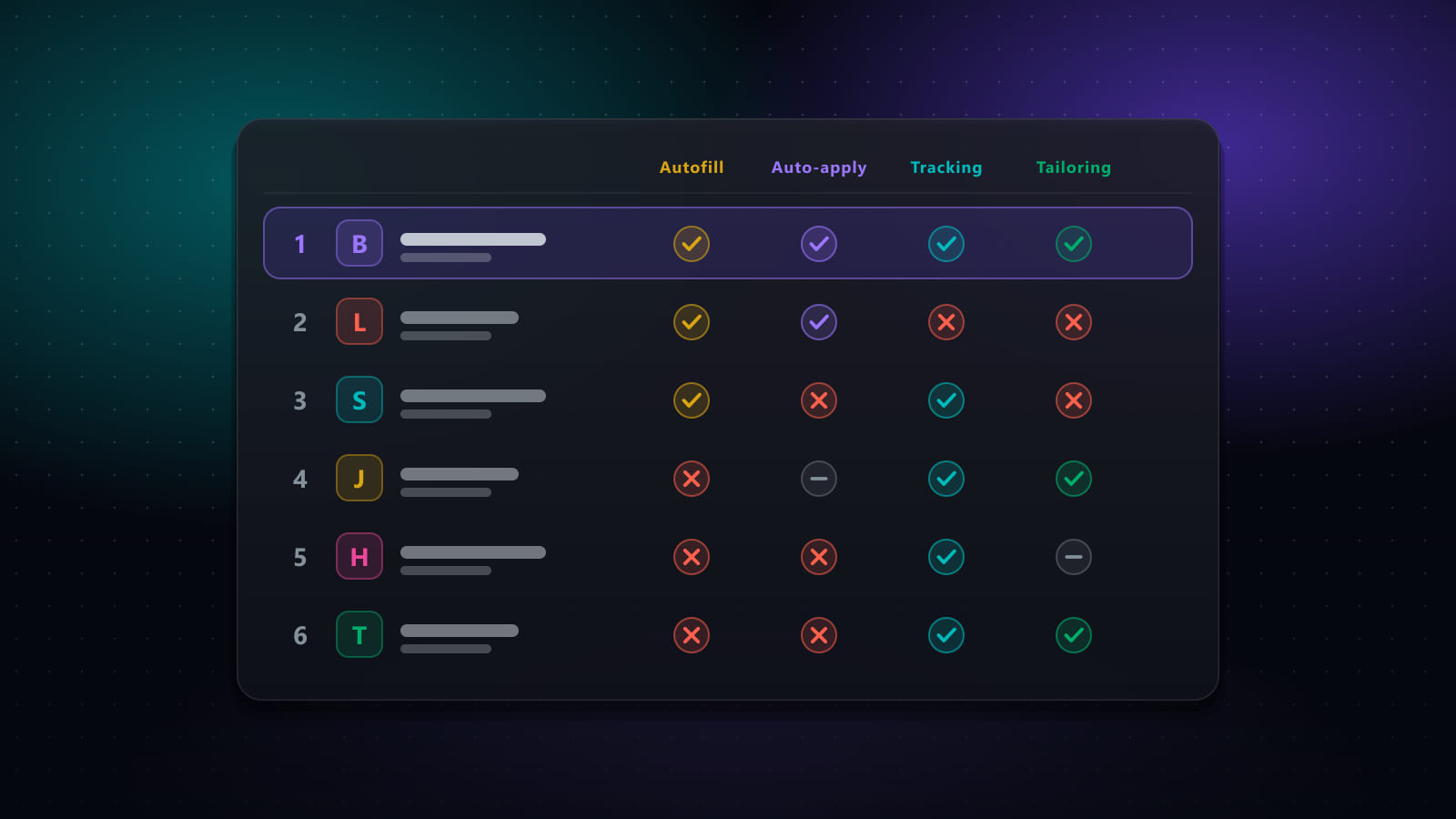
Best Simplify Alternatives in 2026 for Automated Job Applications
If you outgrew autofill-only workflows, these Simplify alternatives add stronger scoring, tailoring, tracking, or full auto-apply automation.
 AI Guides
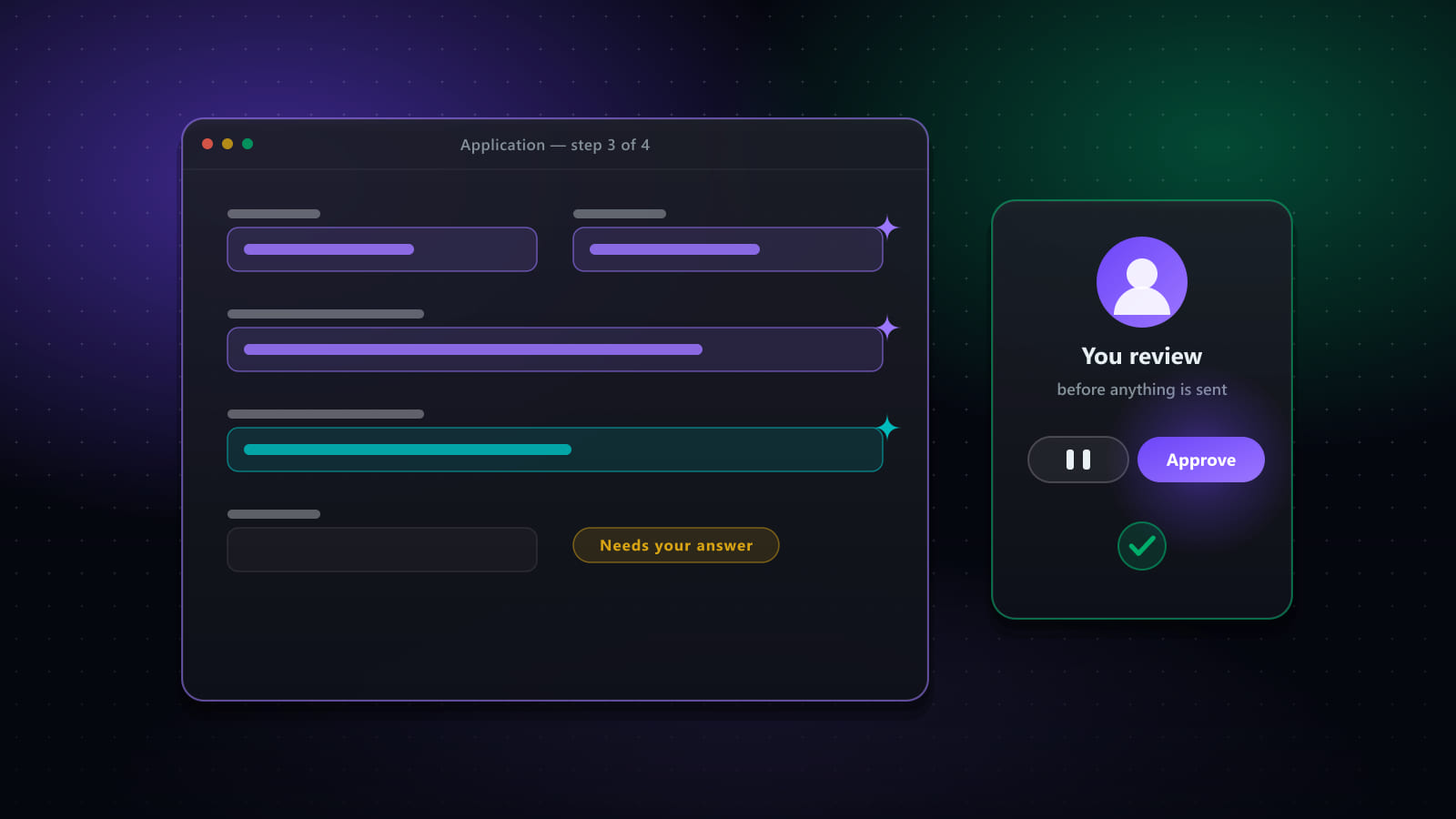
Can AI Apply to Jobs for You? How AI Job Application Agents Actually Work
What AI agents can automate today, where human approval is still mandatory, and how to avoid low-quality mass-application behavior.
 How-To Guides
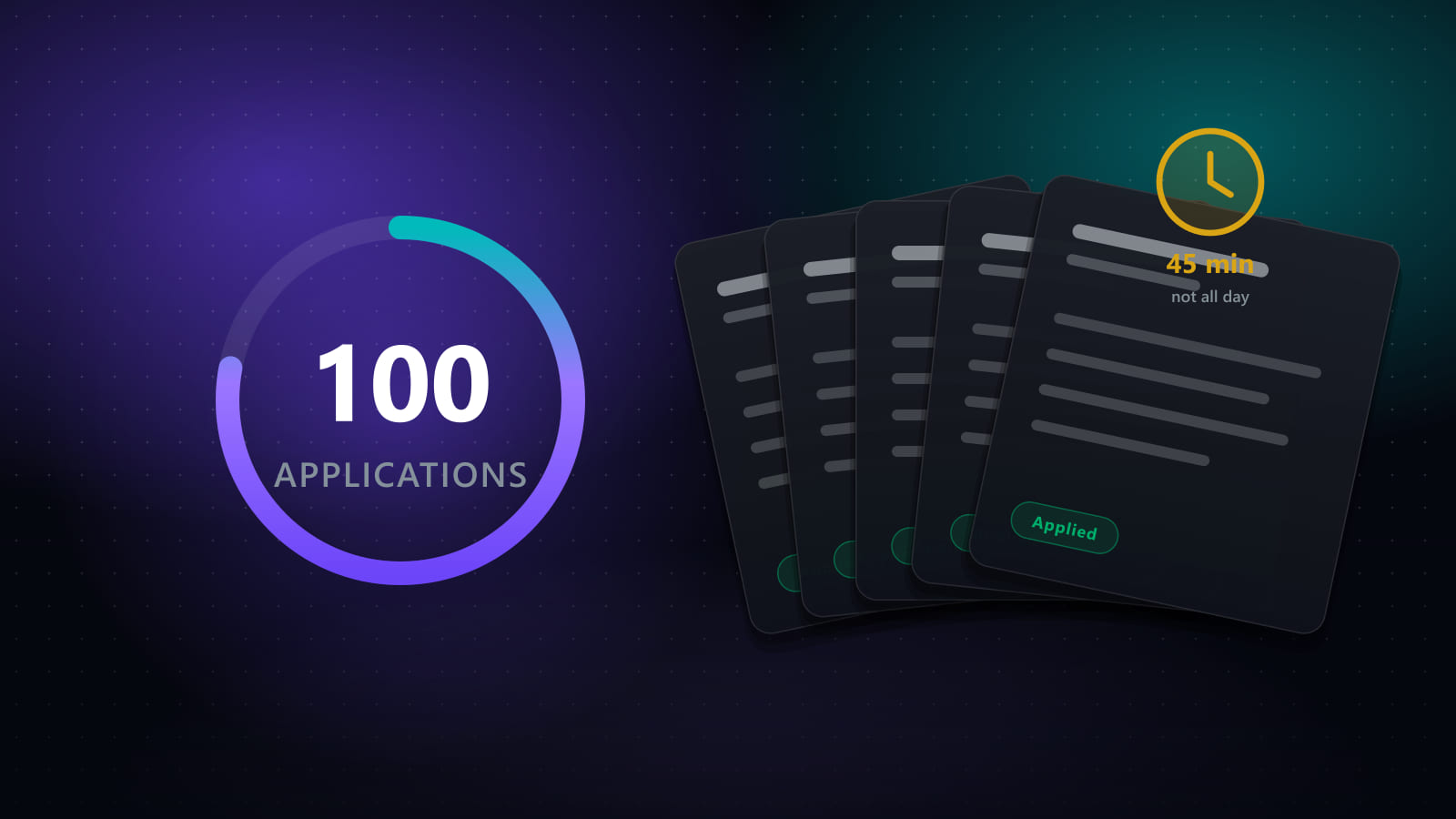
How to Apply to 100 Jobs Without Spending All Day on Job Boards
A realistic high-volume system that balances automation with quality gates so your 100 applications are relevant, not random.
 Playbooks
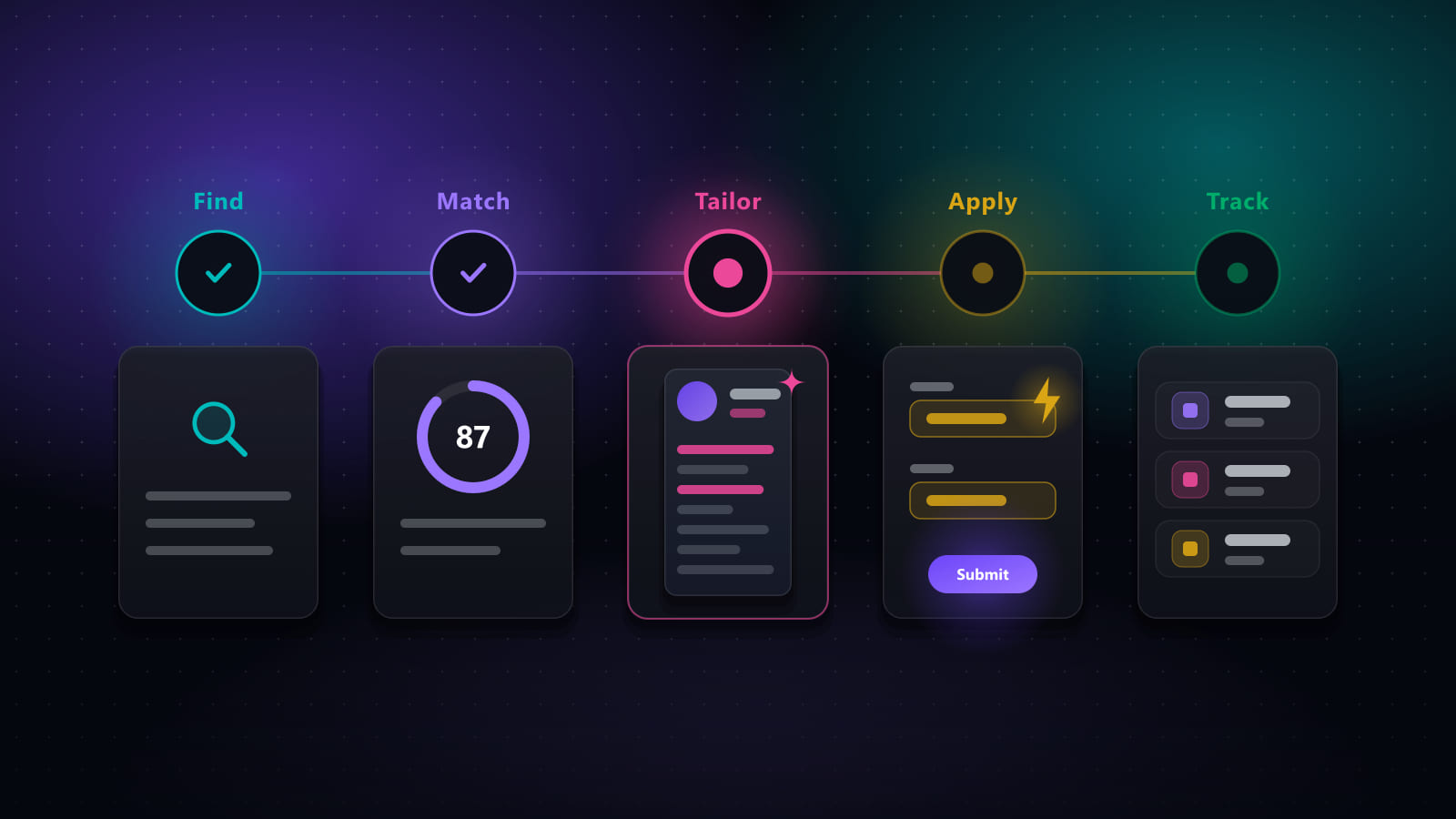
The Ultimate AI Job Search Workflow: Find → Match → Tailor → Apply → Track
A product-led workflow that combines sourcing, scoring, tailoring, applications, and tracking into one repeatable weekly operating system.
 Career Coaching
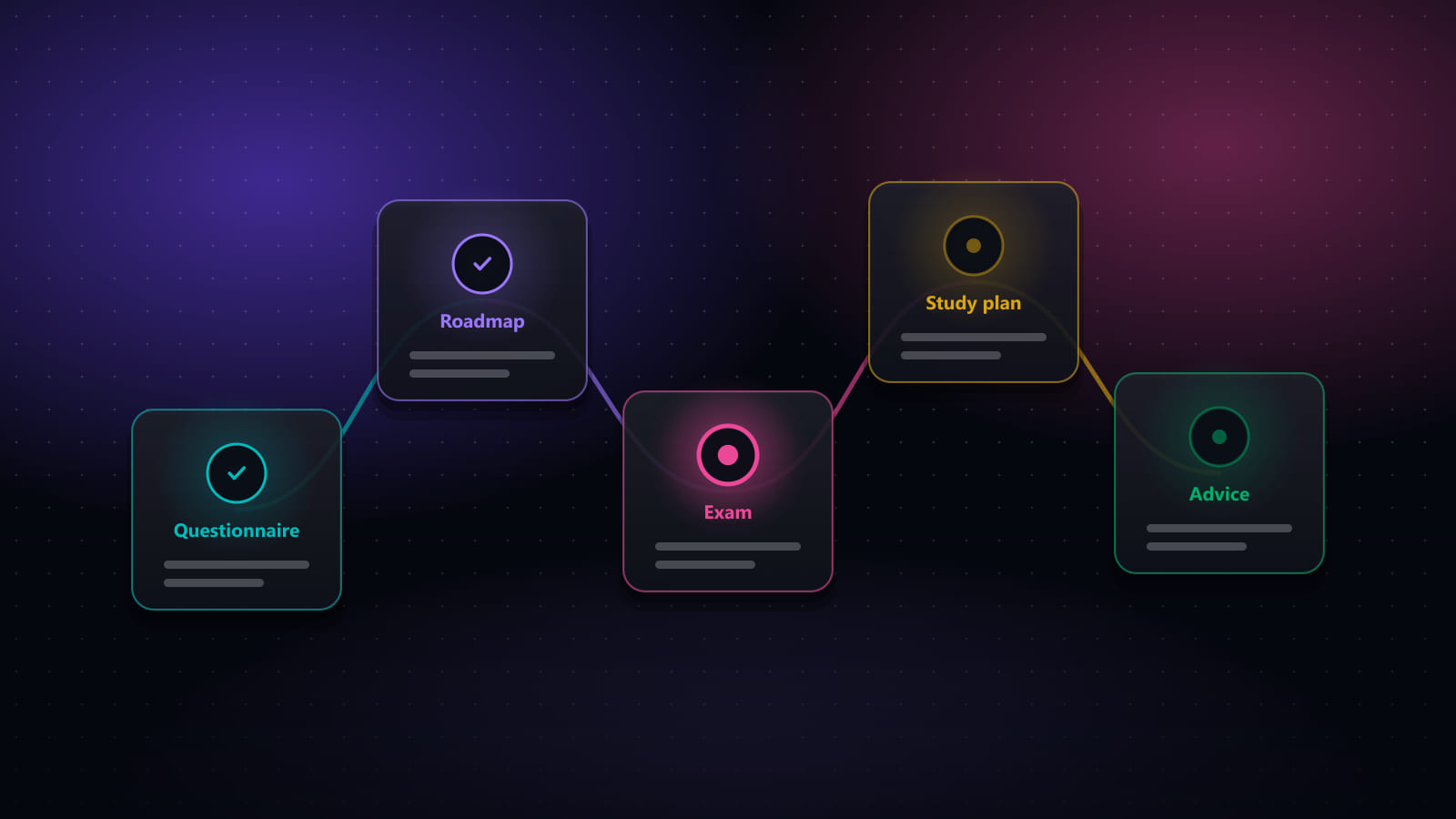
How to Get the Most Out of the Career Coach Module
A guided roadmap, an AI-graded skills exam, interview-readiness practice, a weekly study plan, and job-based prep exams — here's how to actually use Career Coach to get ready faster.
 Career Development
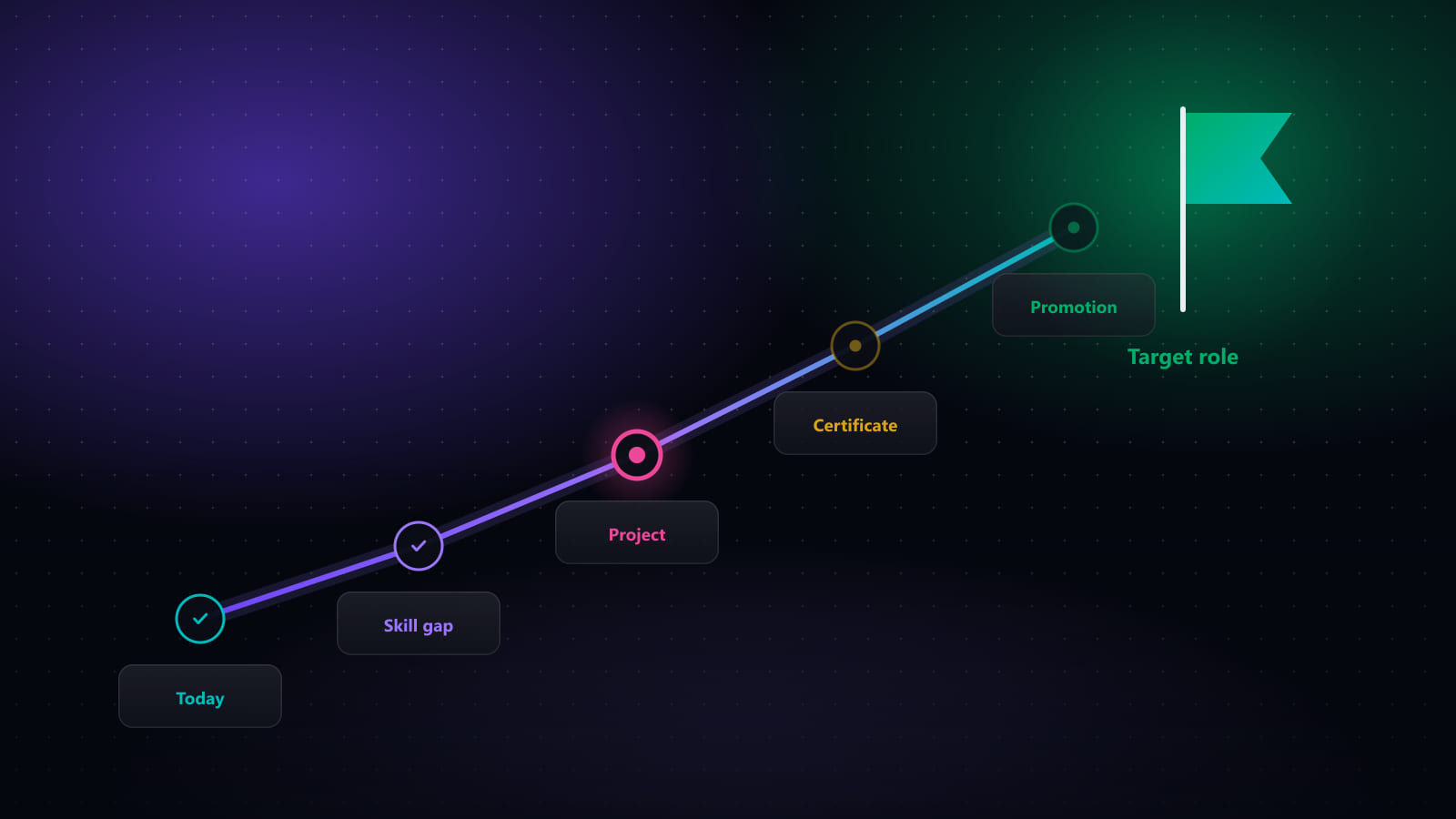
How to Build a Career Roadmap That Actually Gets You Promoted
Most career plans are a vague wish list. Here's how to turn a target role into a staged roadmap you can actually execute against — and revise as your search moves.
 Interview Prep
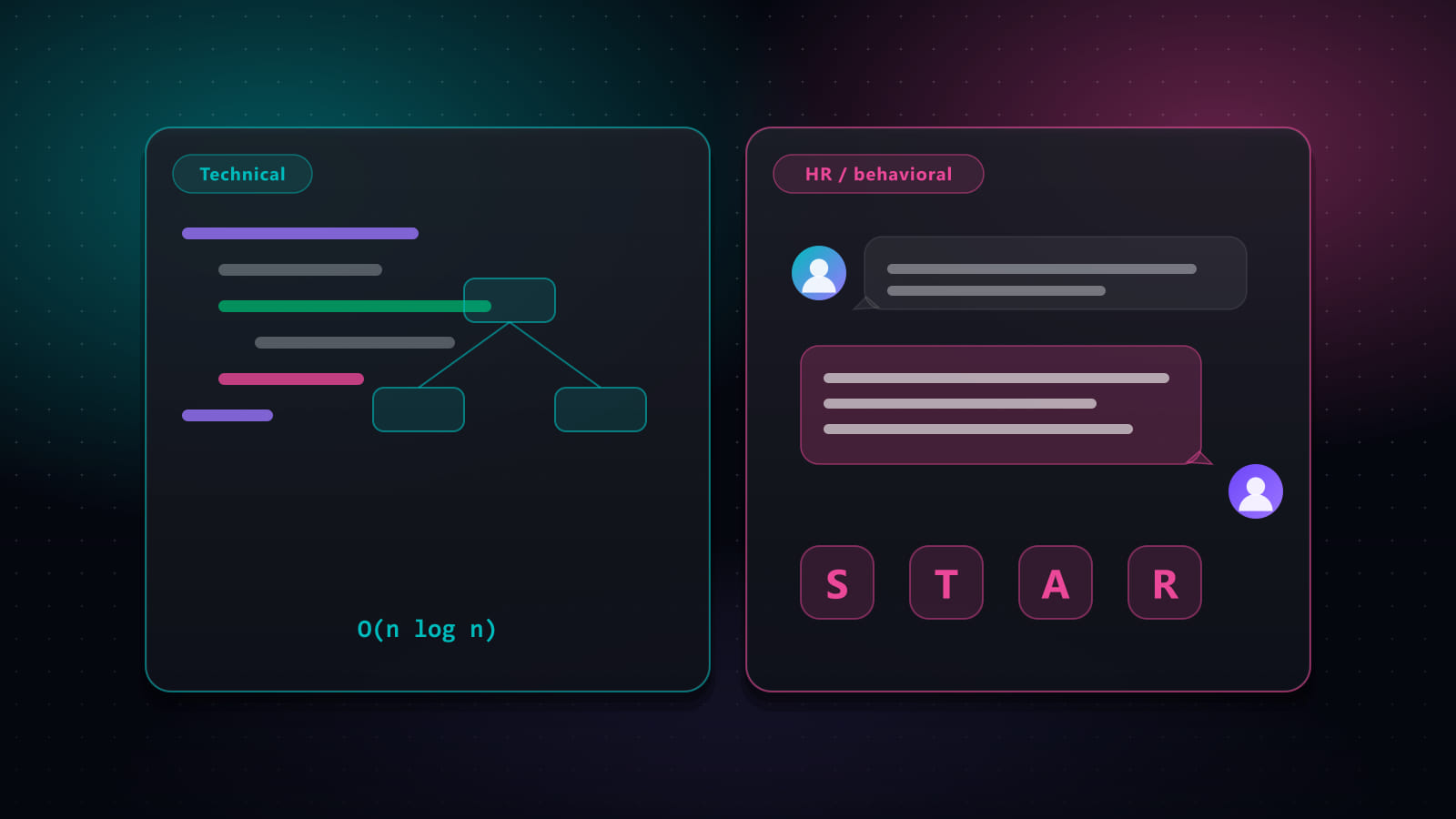
: Technical Rounds vs. HR Rounds — How to Practice Both
Technical interviews and HR/behavioral rounds test completely different things. Here's how to prepare for each, plus how job-based mock exams measure real interview readiness.
 Skill Development
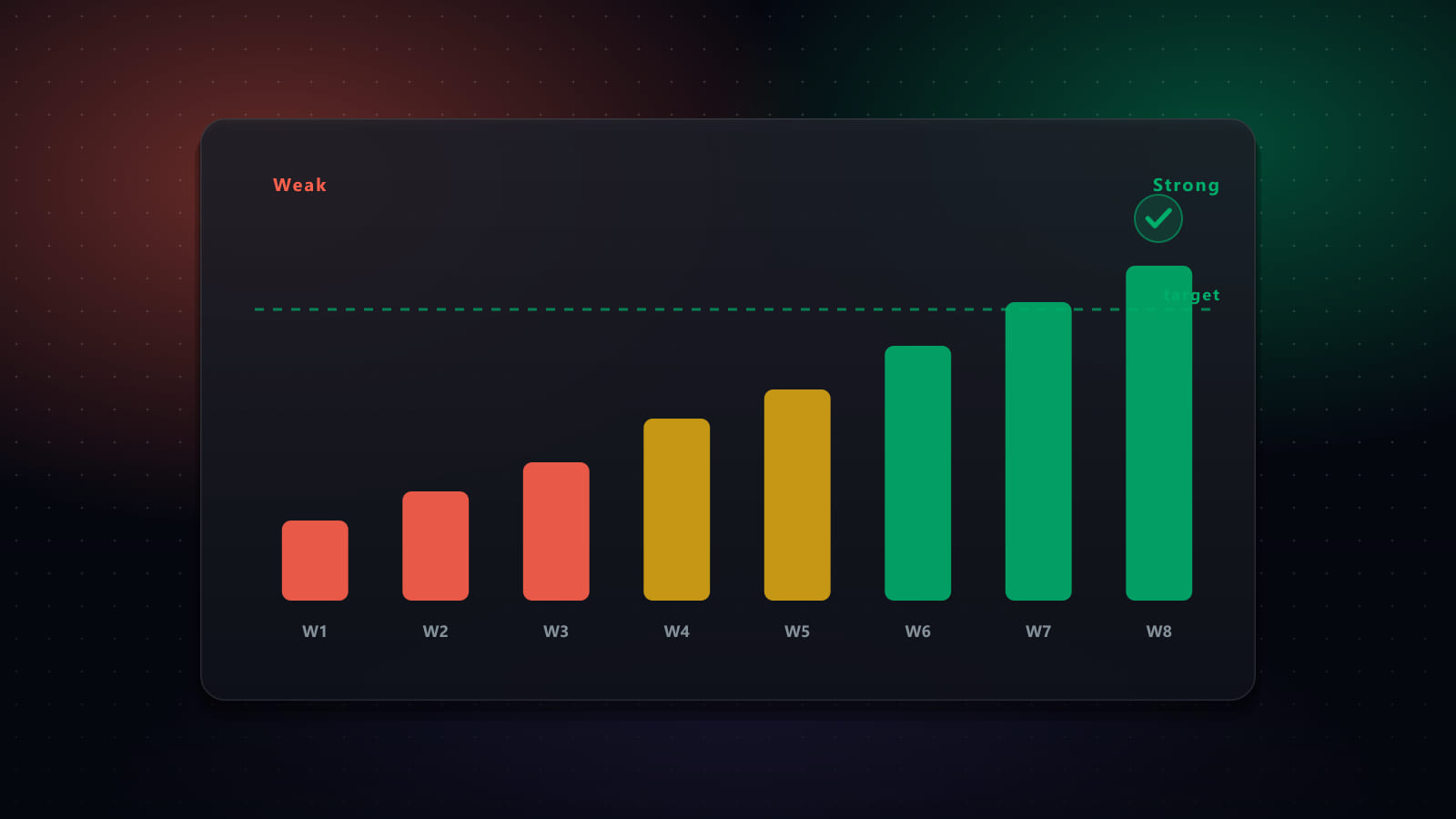
Closing Your Skill Gaps: A Practical Guide to Leveling Up Before Your Next Job Search
Guessing at your skill gaps wastes study time. Here's how to find the gaps that actually matter for your target role, turn them into a weekly plan, and track real progress.
 AI Guides
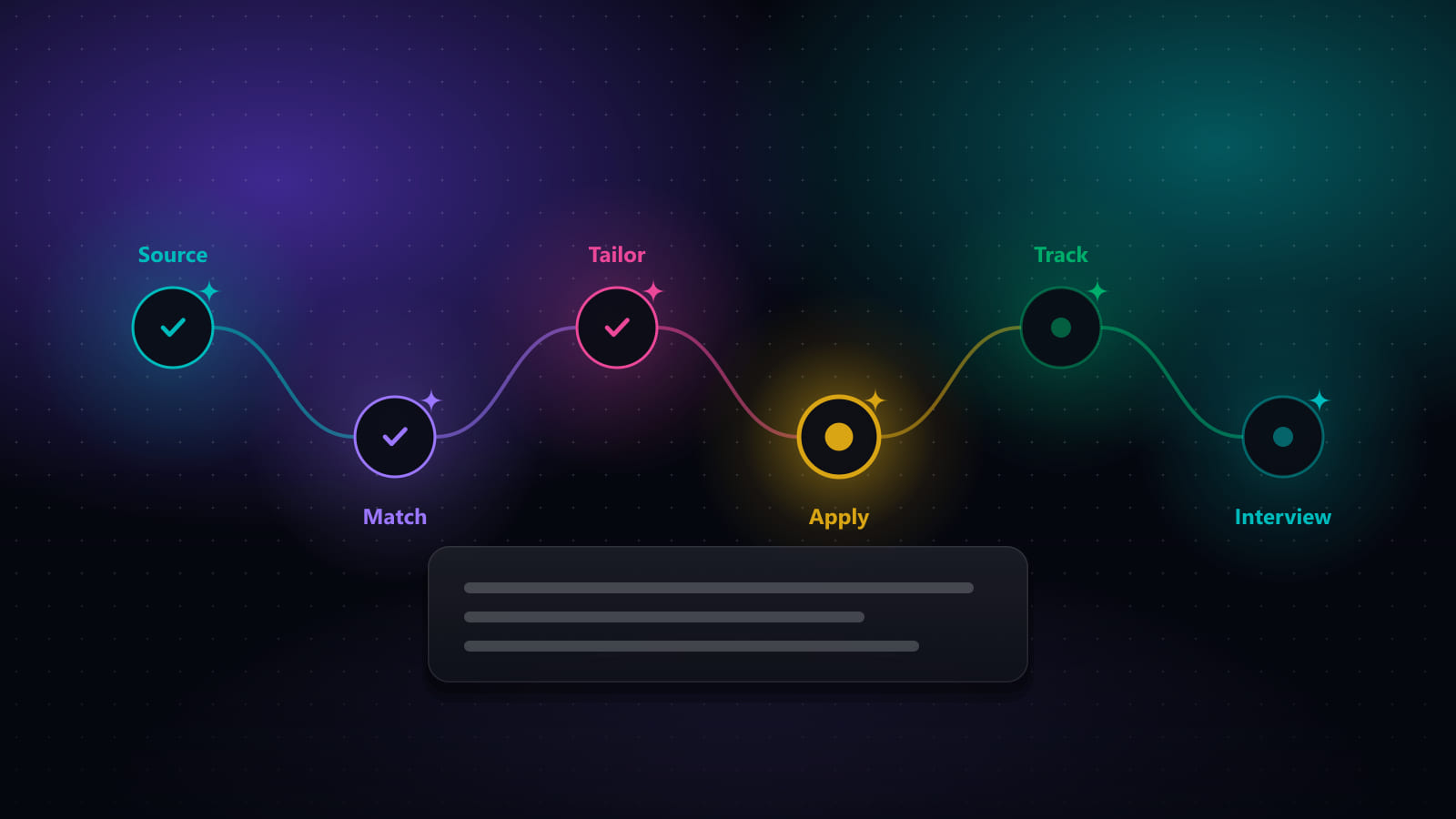
AI Job Search in 2026: What AI Actually Changes at Each Stage
AI does not replace the job search — it compresses four of its six stages. Here is a stage-by-stage breakdown of where AI genuinely helps, where it does not, and what still needs you.
 AI Guides
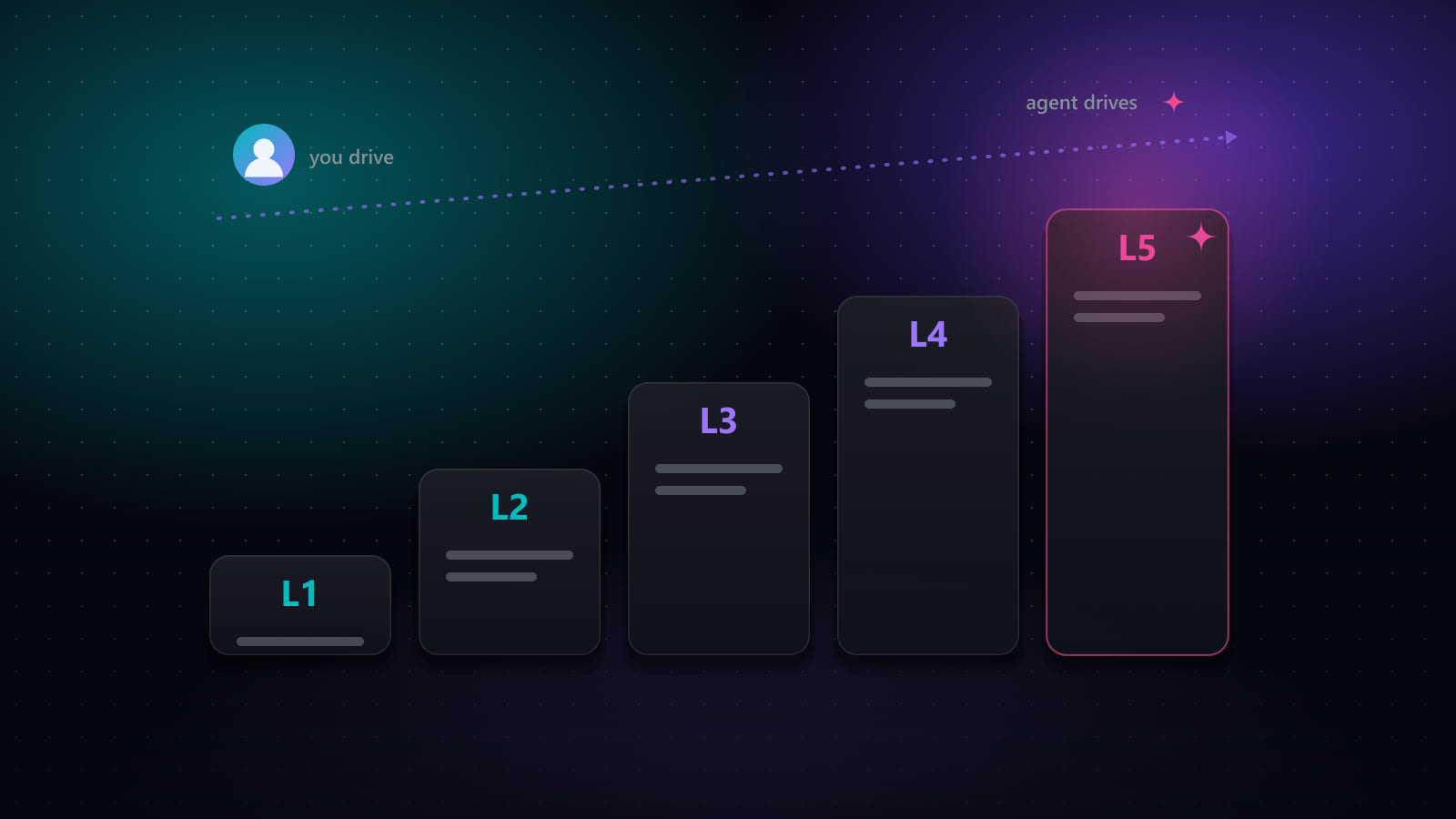
What Is an AI Job Search Agent? The Five Levels of Autonomy
"AI agent" is used for everything from a form-filler to a system that applies unattended. This breaks the term into five autonomy levels so you can tell what a tool actually does before you buy it.
 Playbooks
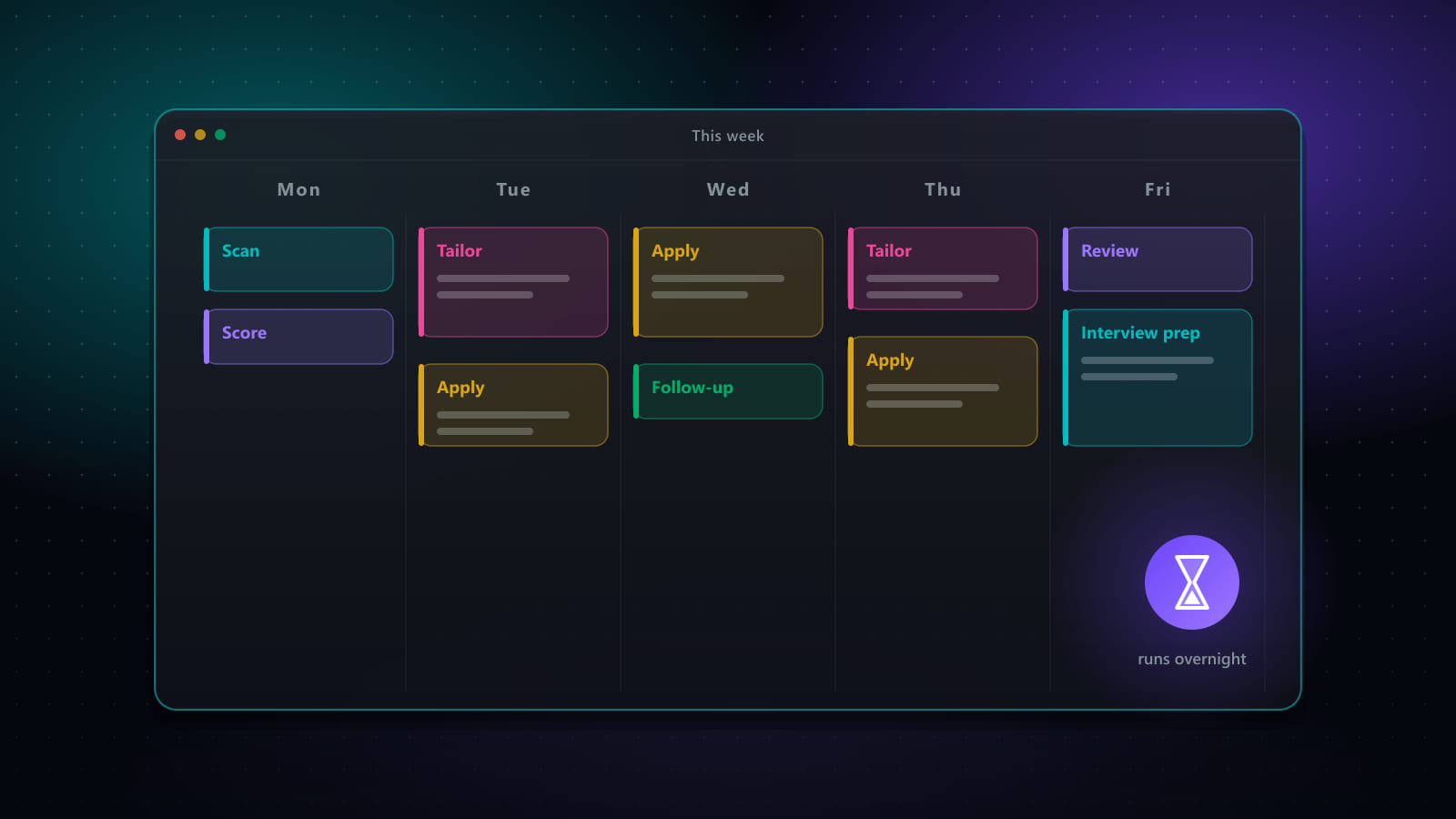
Job Search Automation: A Weekly Operating System
Automation fails when it is a pile of one-off tricks. This is the weekly cadence — sourcing block, review block, application block, follow-up block — that makes an automated search sustainable.
 How-To Guides
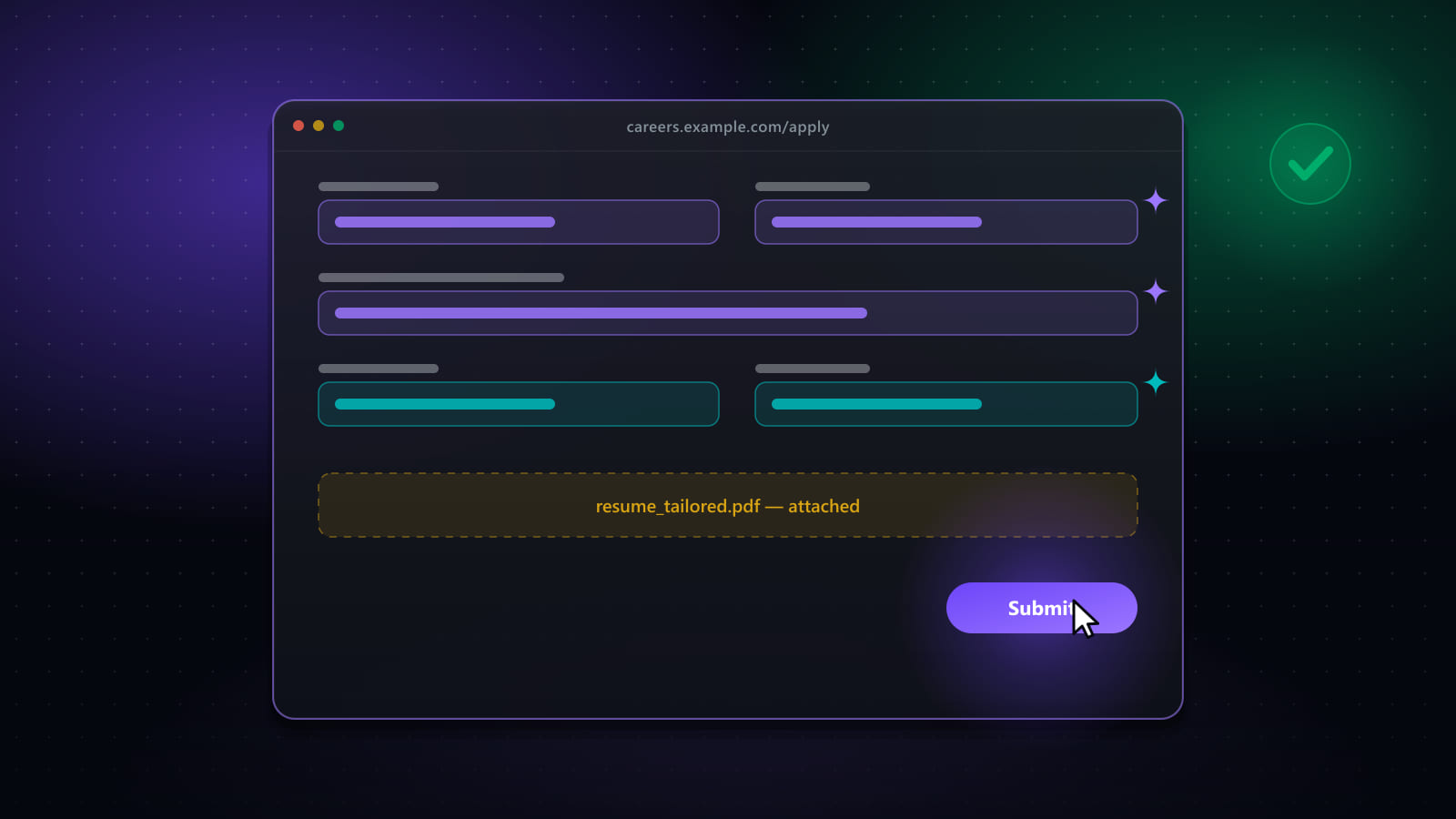
Automated Job Applications: How Submission Automation Works
What actually happens between clicking Apply and a submitted application — form parsing, field matching, file attachment, and the multi-page wizards where most automation quietly breaks.
 Playbooks
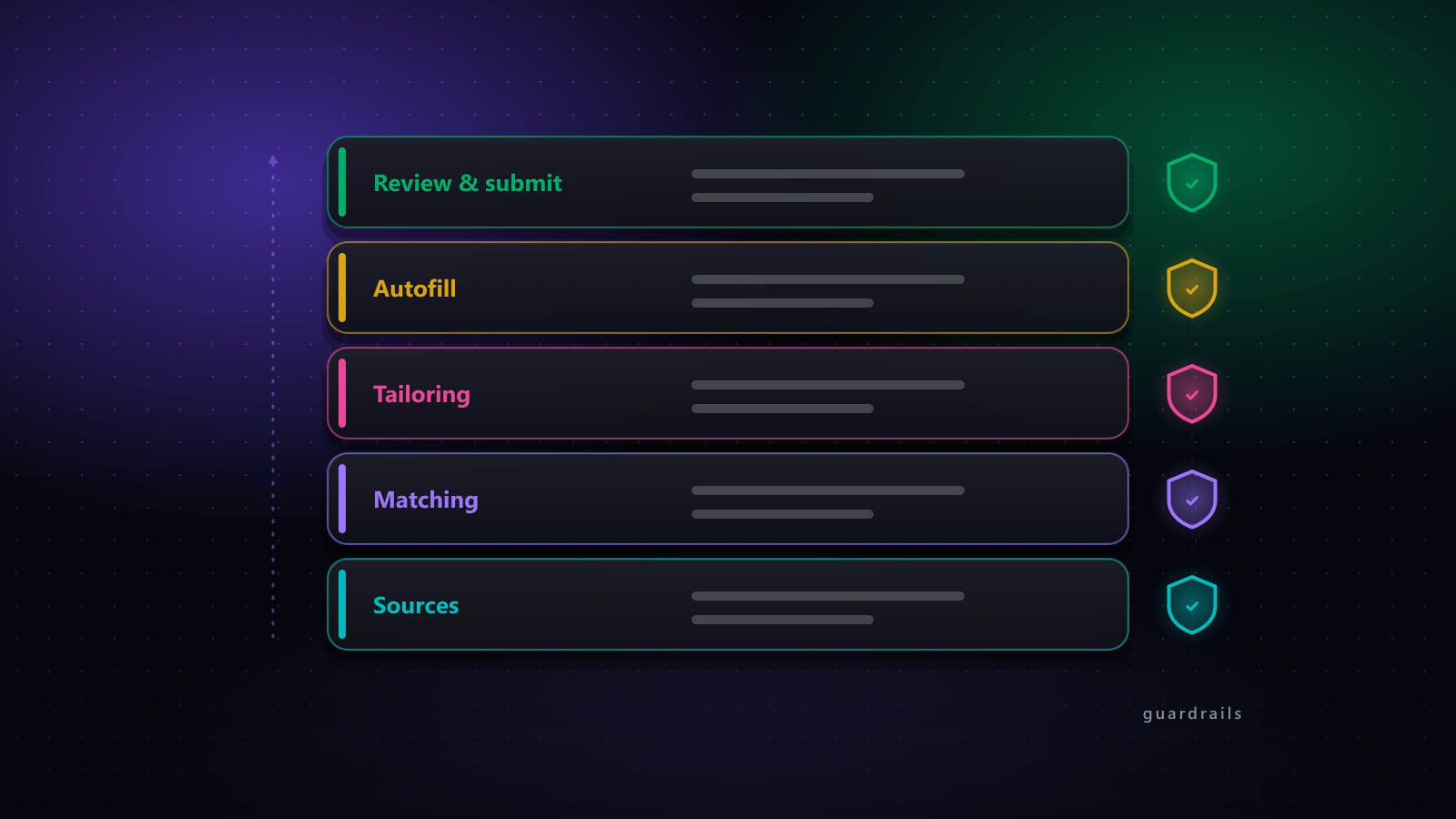
Job Application Automation: Building a Stack With Guardrails
A practical build guide: which pieces to automate, which to leave manual, and the five guardrails — relevance gate, review window, rate limits, audit trail, kill switch — that keep volume from wrecking quality.
 Comparisons
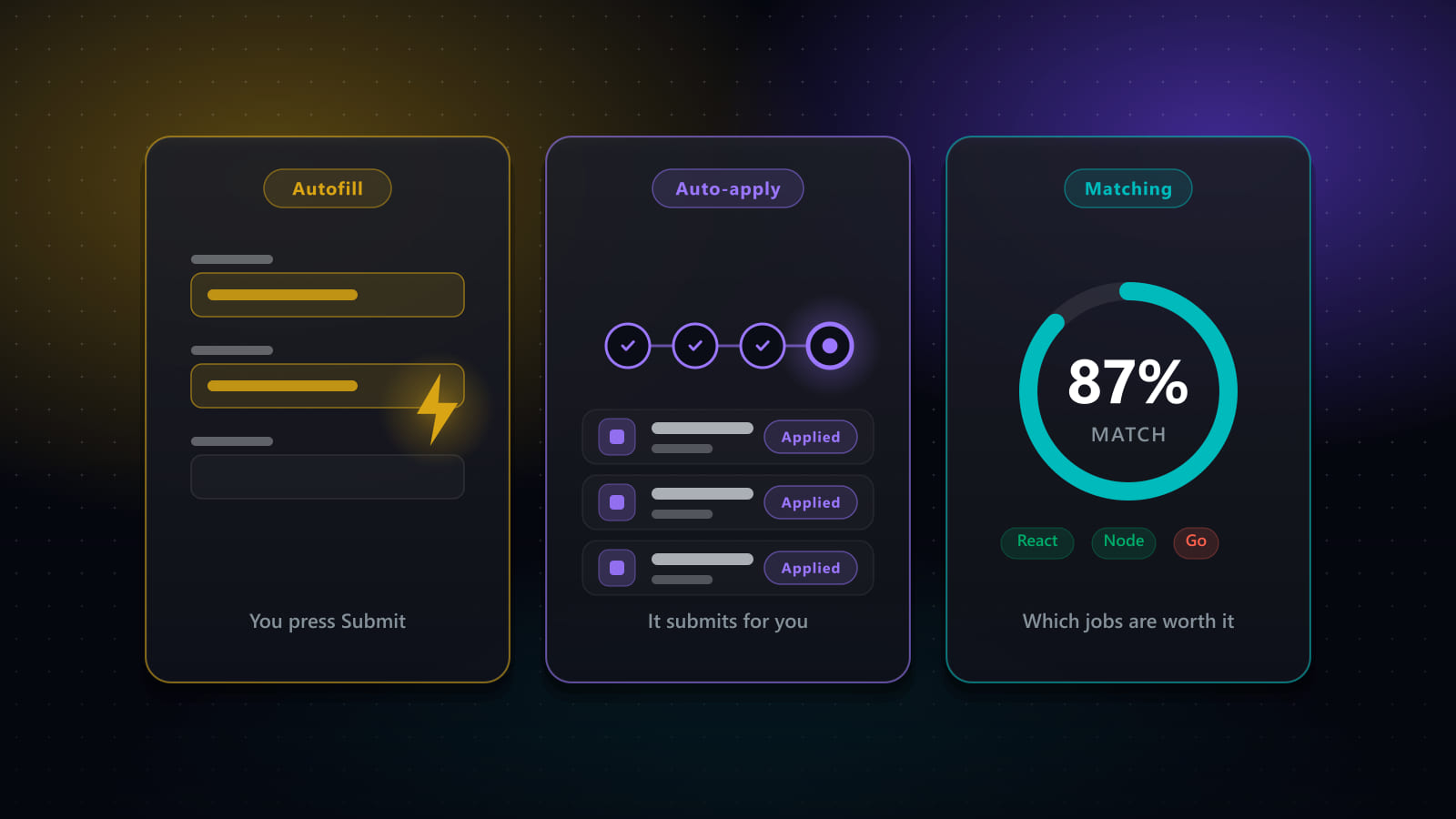
AI Job Application Tools: Autofill vs Auto-Apply vs Matching
Most AI job tools fall into four categories that solve different problems. Here is what each category does, a capability matrix across eight products, and how to tell which one you actually need.
 Resume Tips
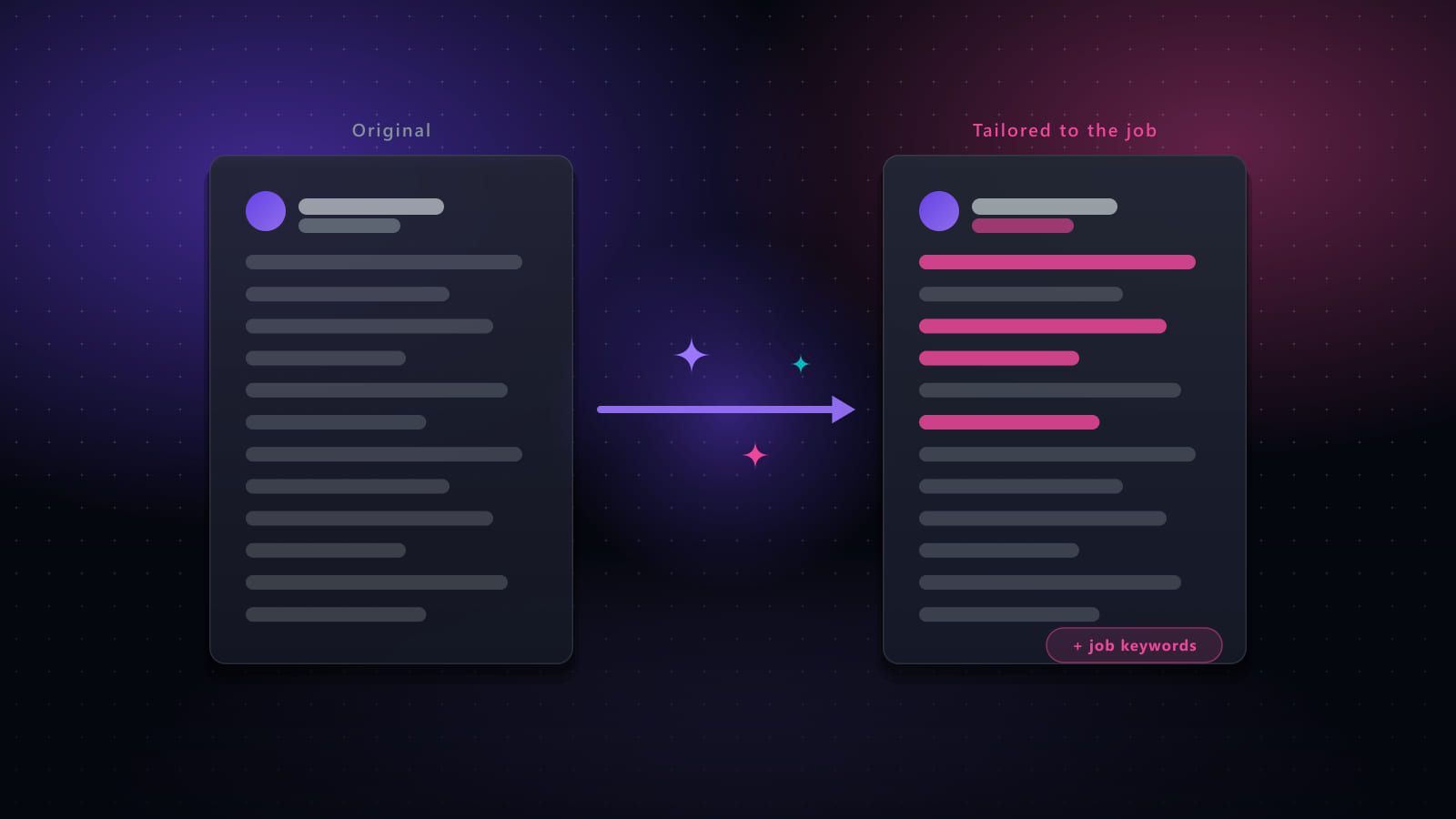
AI CV Tailoring: What It Changes and What to Check
Tailoring is not keyword stuffing. Here is what an AI tailoring pass should change in a CV, what it must never change, and the four-point review that catches the mistakes AI reliably makes.
 Resume Tips
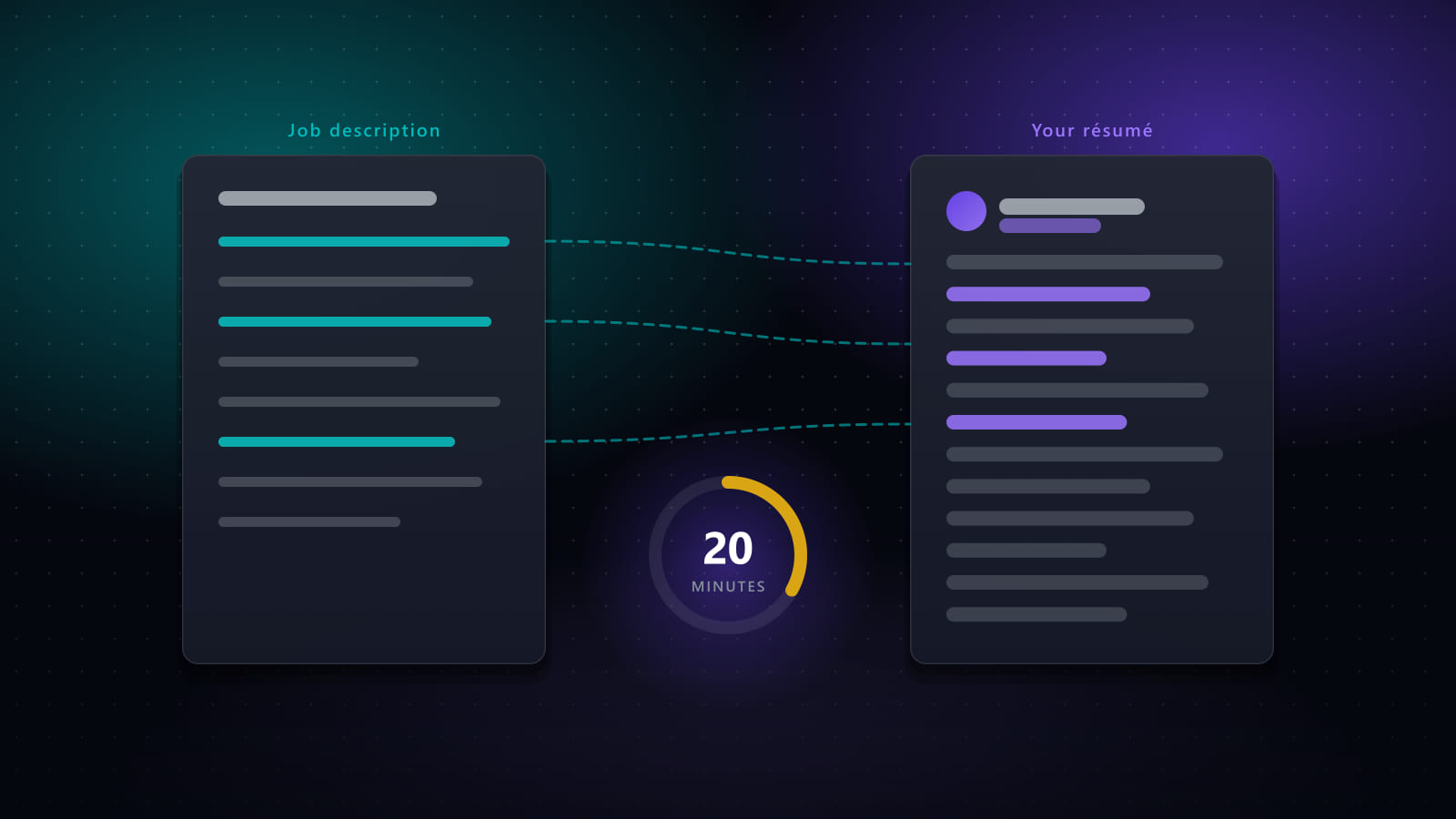
How to Tailor Your Resume for a Job in 20 Minutes
A repeatable per-job method: pull the five real requirements out of the posting, map evidence you already have, rewrite only what needs rewriting, then verify. Works with or without AI.
 Resume Tips
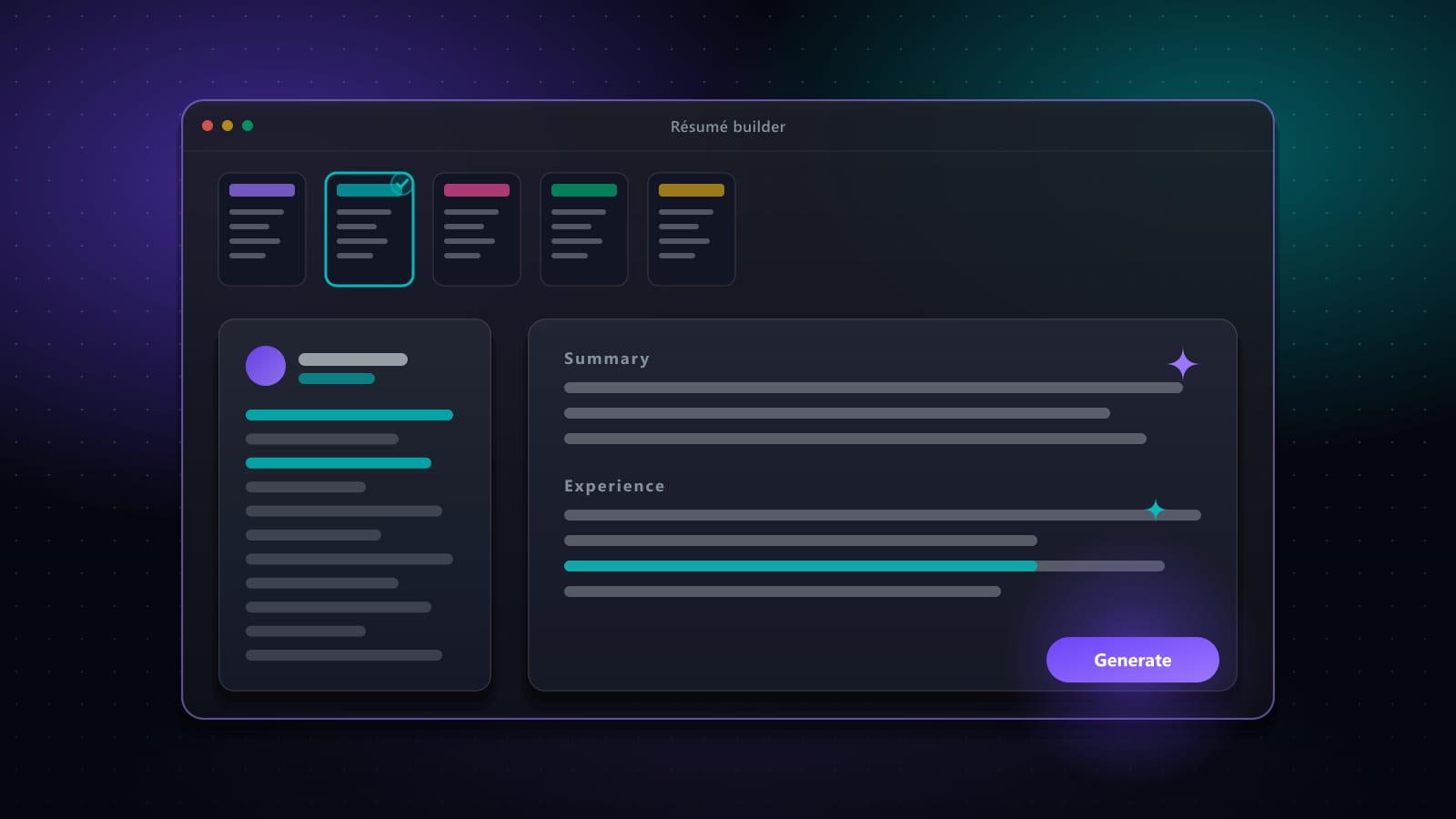
AI Resume Builders in 2026: What to Look For
Resume builders now all advertise AI. The differences that matter are export fidelity, whether tailoring is per-job, how the tool handles truth, and whether you can get your data back out.
 Resume Tips
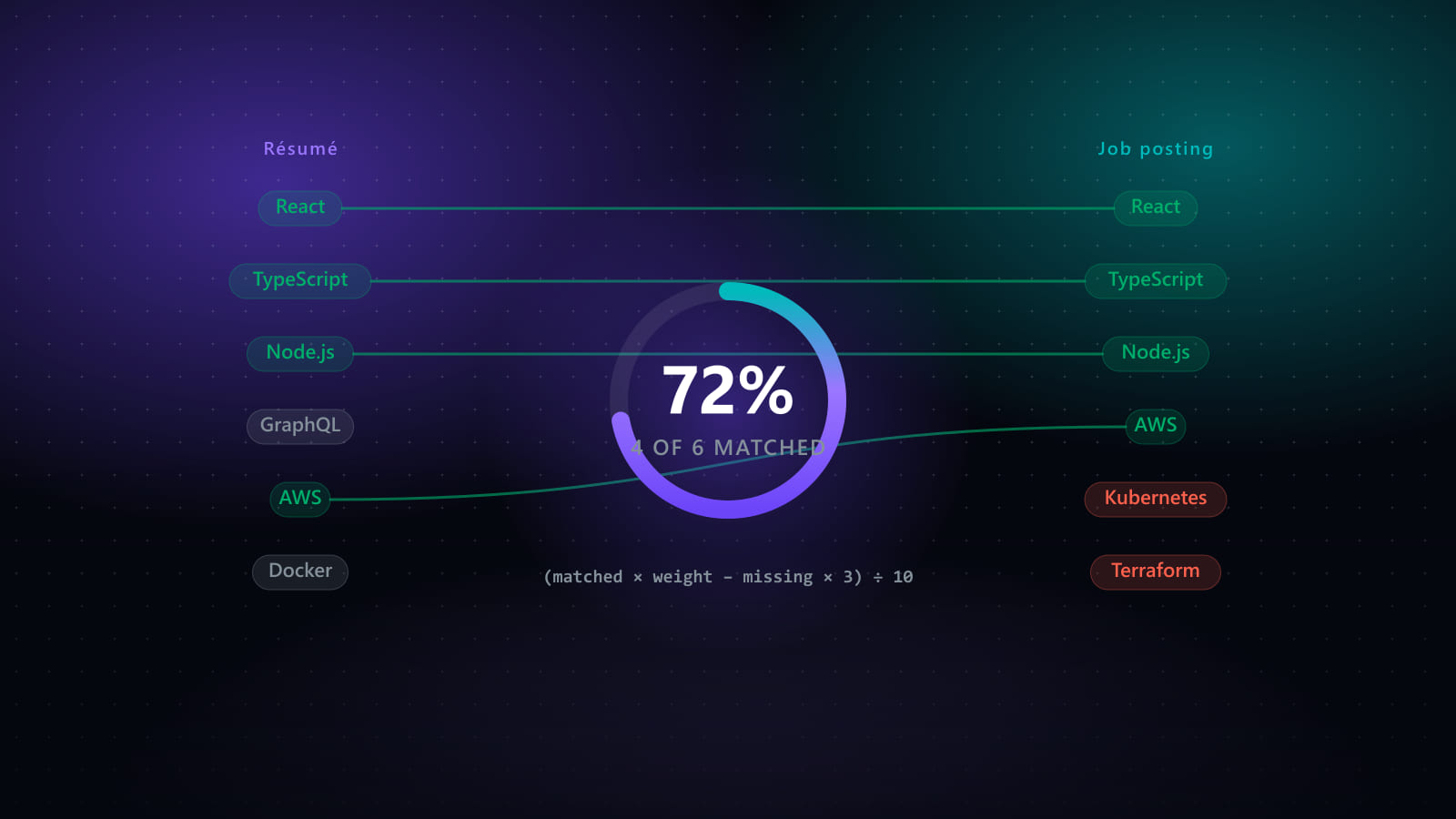
Resume Keyword Matching: How Match Scores Are Calculated
Match scores look objective but are built from choices a vendor makes. Here is how keyword extraction, weighting, synonyms and missing-skill penalties combine — and why two tools score the same resume differently.
 Resume Tips
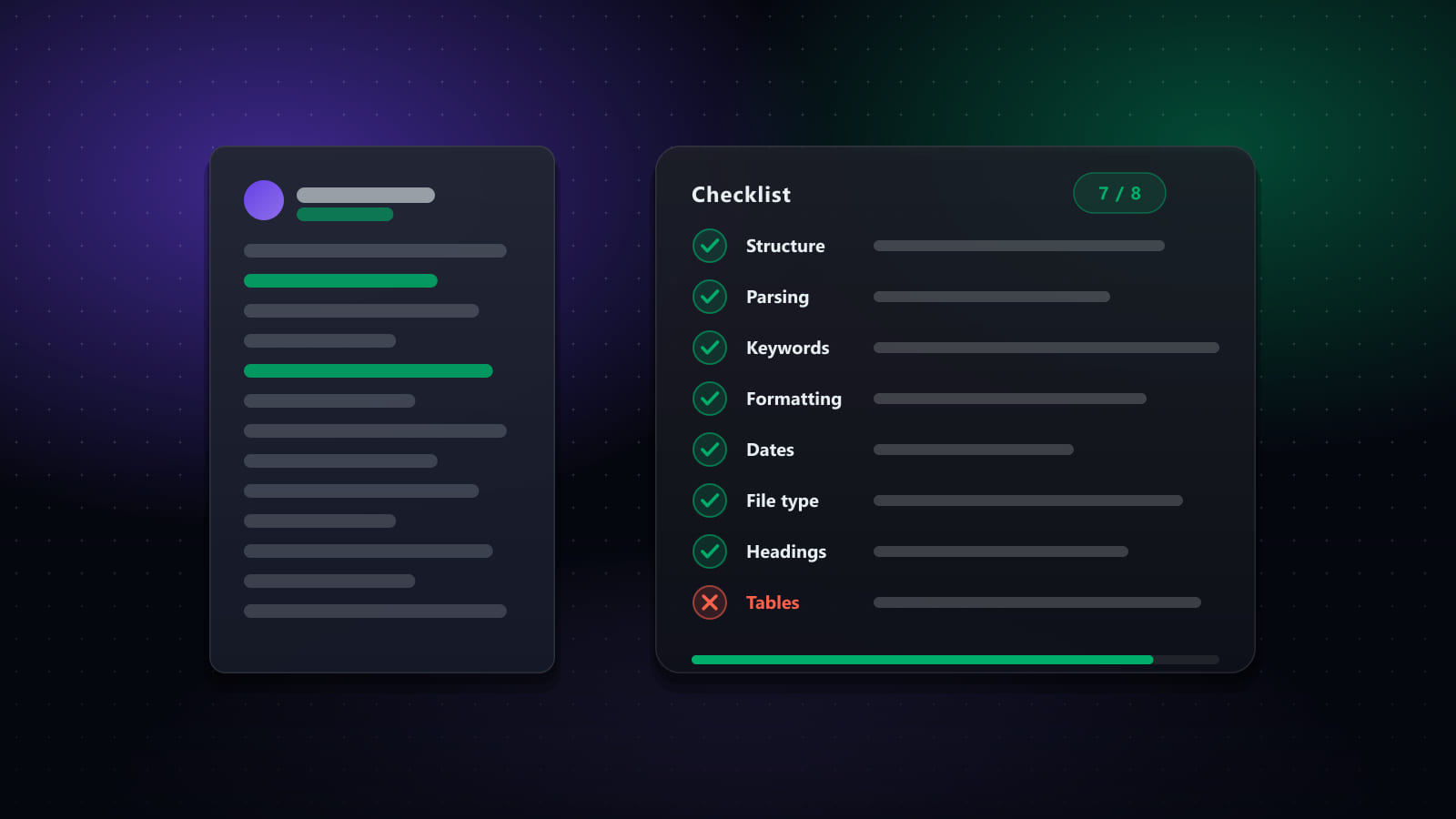
ATS Resume Optimization: A Practical Checklist for 2026
A checklist you can run in one pass: structure that parses cleanly, evidence that survives ranking, the formatting choices that still break extraction, and the myths worth ignoring.
 Comparisons
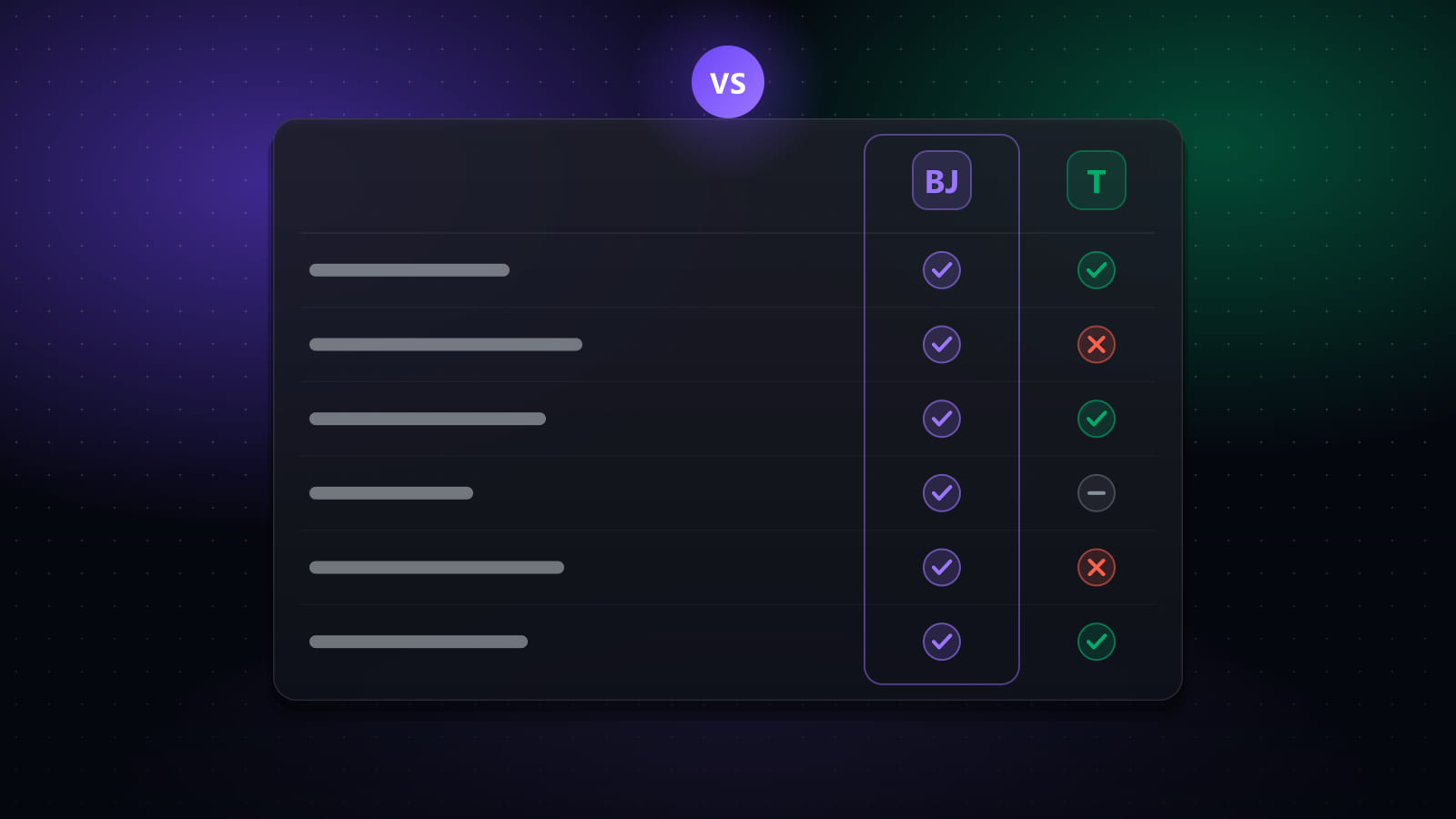
Best JobFinder vs Teal: Feature Comparison (2026)
Teal is a tracker and resume builder; Best JobFinder is an end-to-end pipeline that also applies. A factual, side-by-side comparison of capabilities, pricing and which fits which kind of search.
 Comparisons
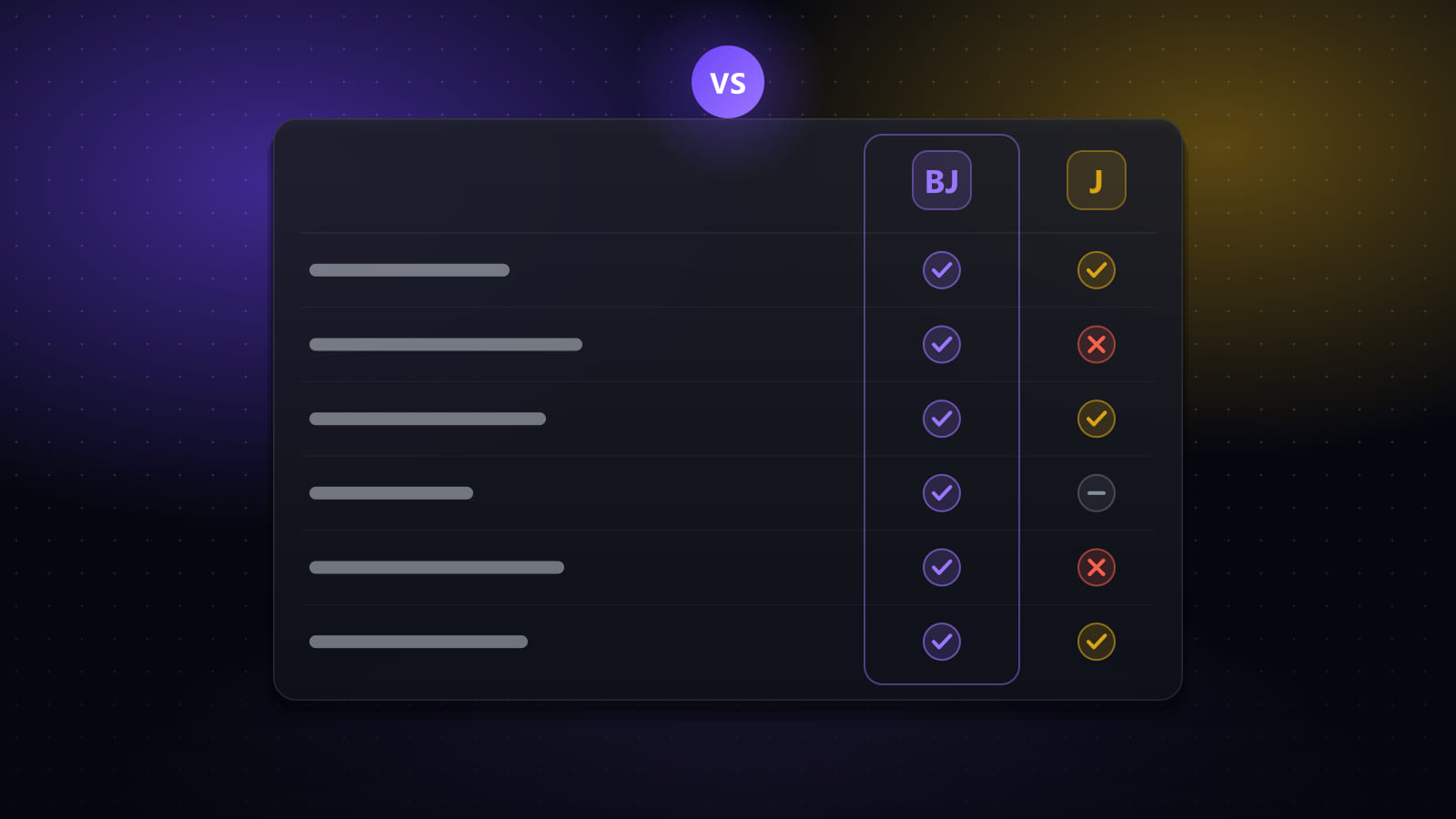
Best JobFinder vs Jobscan: Feature Comparison (2026)
Jobscan analyses one resume against one posting; Best JobFinder runs the search end to end. They overlap less than the category suggests — here is exactly where, and when you would use both.
 Comparisons
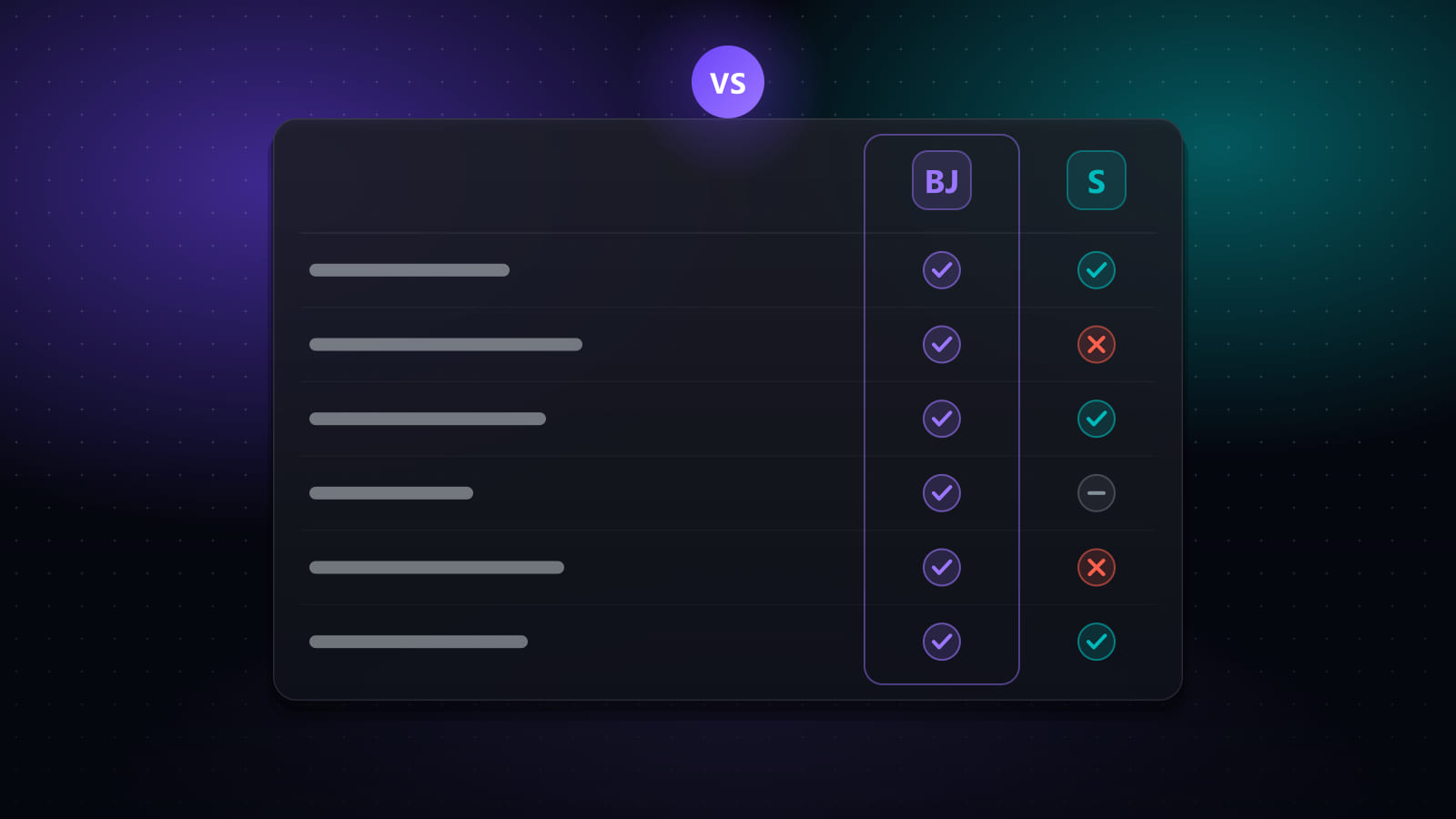
Best JobFinder vs Simplify: Feature Comparison (2026)
Both fill in application forms. The difference is what happens either side of the form: Simplify stops at autofill, Best JobFinder sources, scores, tailors and can submit. Compared factually.
 Playbooks
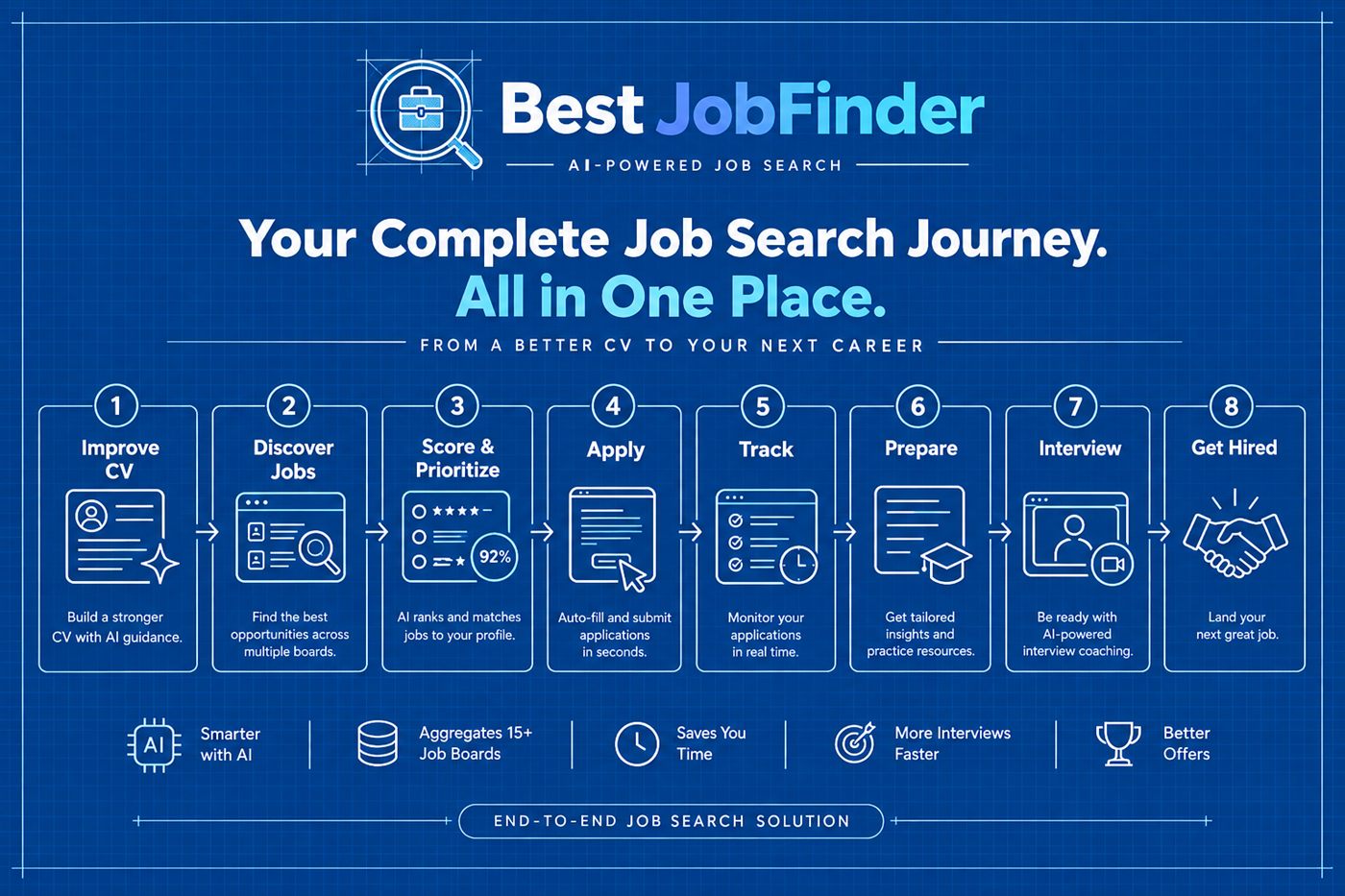
The All-In-One Job Search Platform: Discover, Score, Apply, Track, Prepare, Get Hired
Most job seekers stitch together five or six different tools to run a search. Here's what actually happens at each stage of a job search, and why running all of them in one connected platform changes the outcome.
 How-To Guides
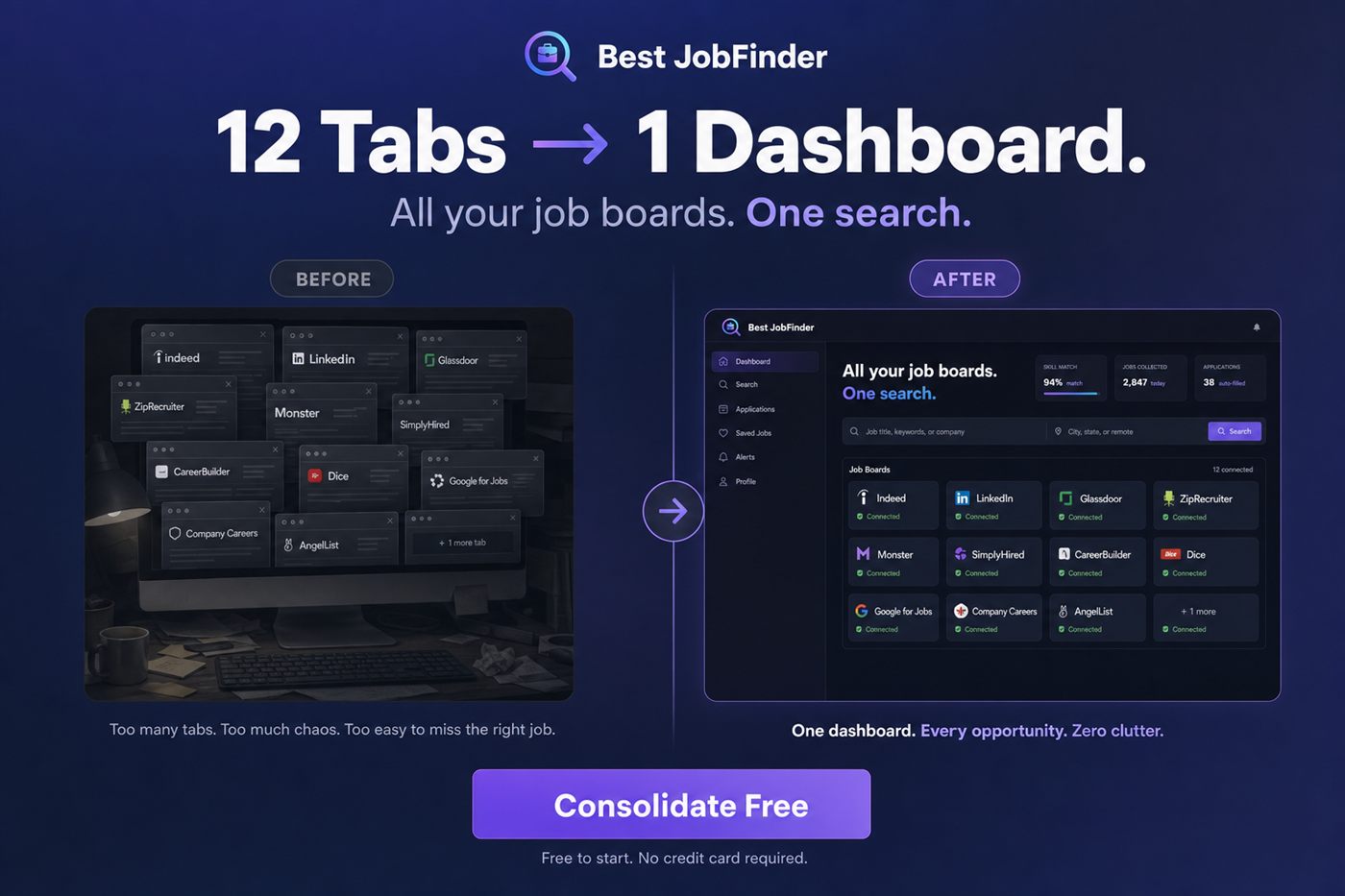
Search 20+ Job Boards at Once Instead of 12 Browser Tabs
LinkedIn, Indeed, Dice, Workday, Greenhouse and a dozen more — each with its own tab, login and layout. Here's what one consolidated search actually replaces, and what it needs to get right to be worth trusting.
 How-To Guides
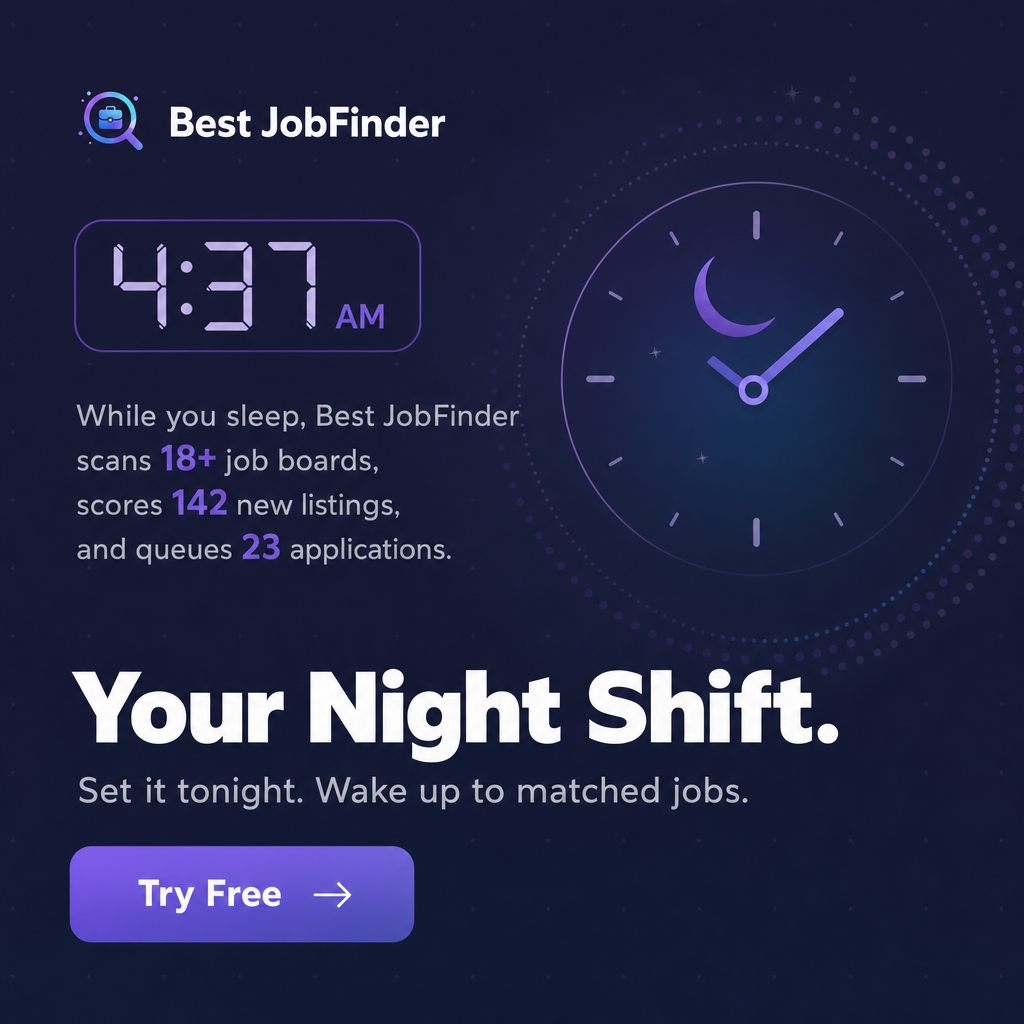
Overnight Job Search Automation: Wake Up to Matched, Scored Jobs
New postings go up at every hour of the night. Here's how scheduled overnight scanning across 20+ boards works, what it scores while you sleep, and why timing a search matters almost as much as targeting it.
 AI Guides
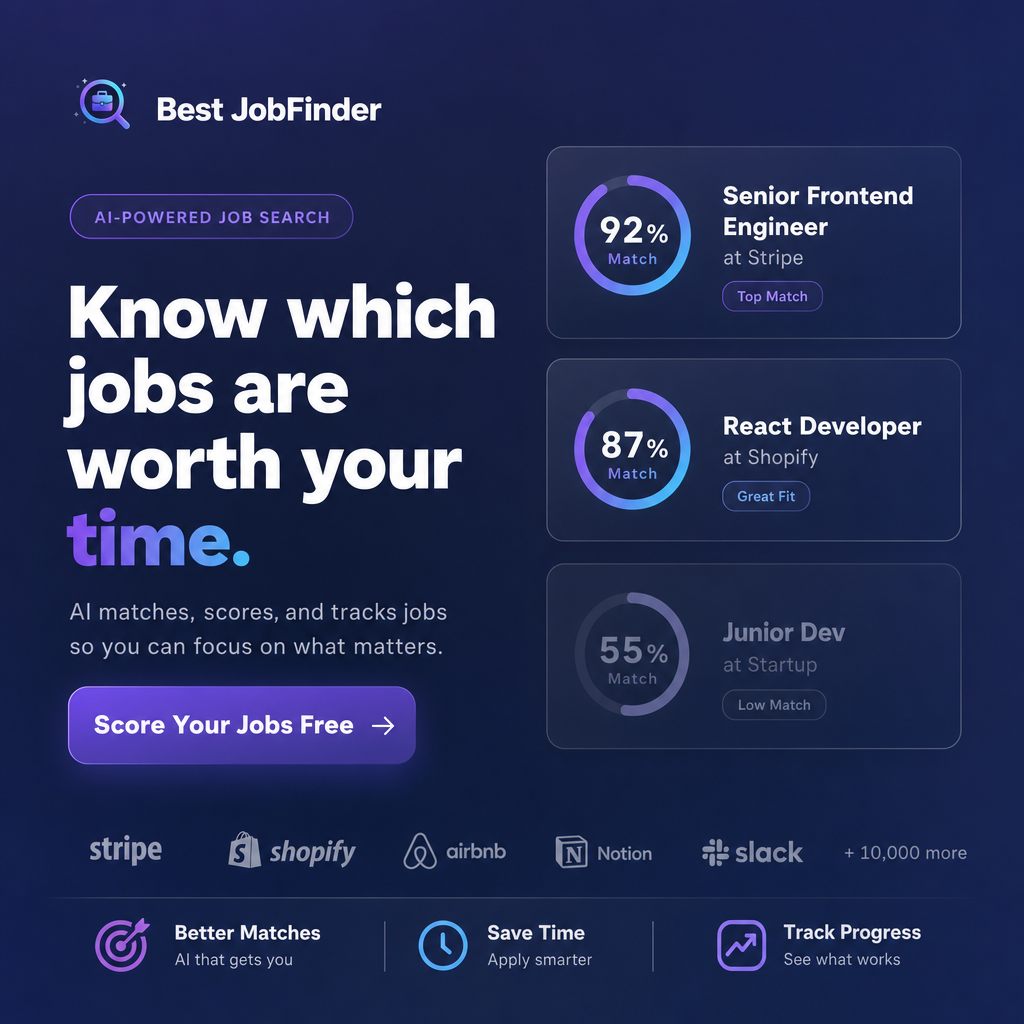
Know Which Jobs Are Worth Your Time: How an AI Job Match Score Works
A 92% match and a 55% match should not get the same 25 minutes of your attention. Here's what actually feeds a job match score, and how to use it to triage a search instead of guessing.
 How-To Guides
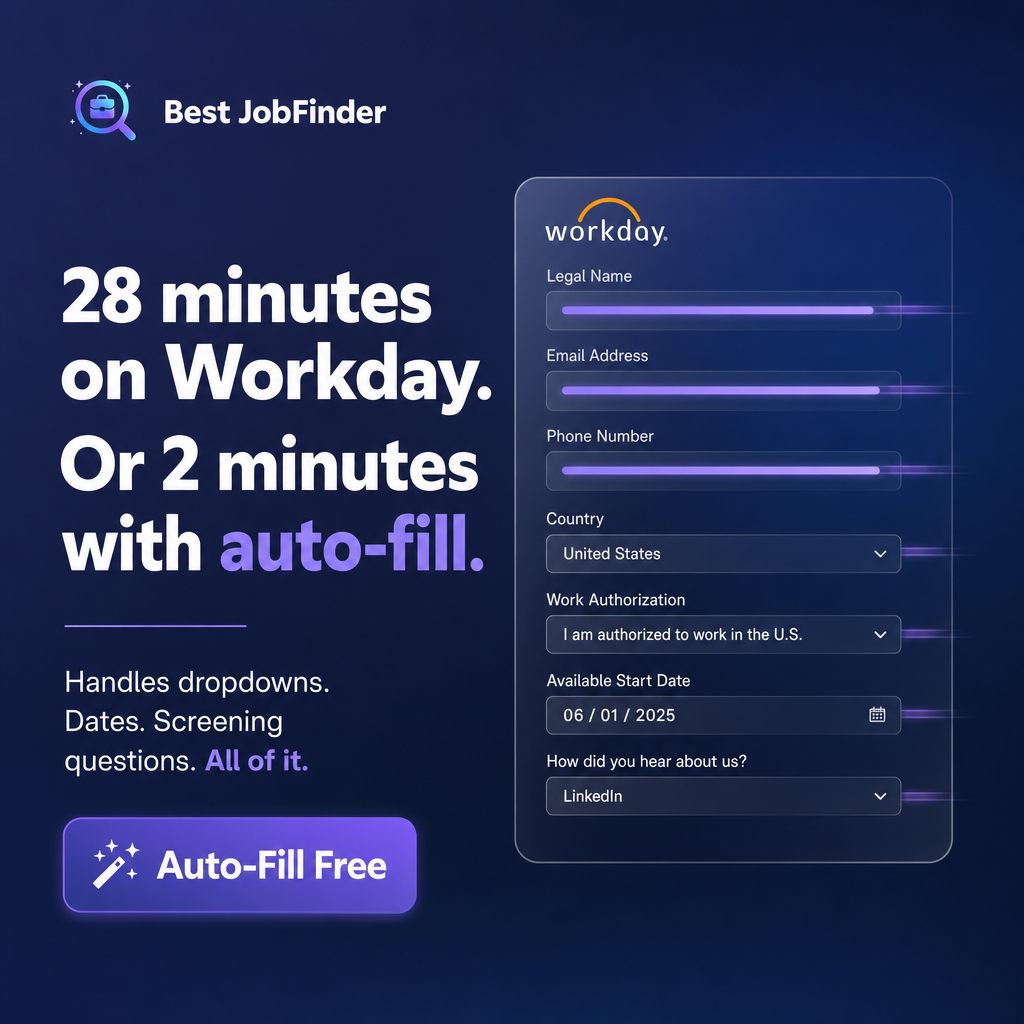
Auto-Fill Workday, Greenhouse, Lever, and iCIMS in Seconds, Not Minutes
28 minutes on a Workday application versus 2 minutes with auto-fill. Here's how cross-ATS auto-fill actually handles dropdowns, dates and screening questions across 10+ platforms.
 How-To Guides
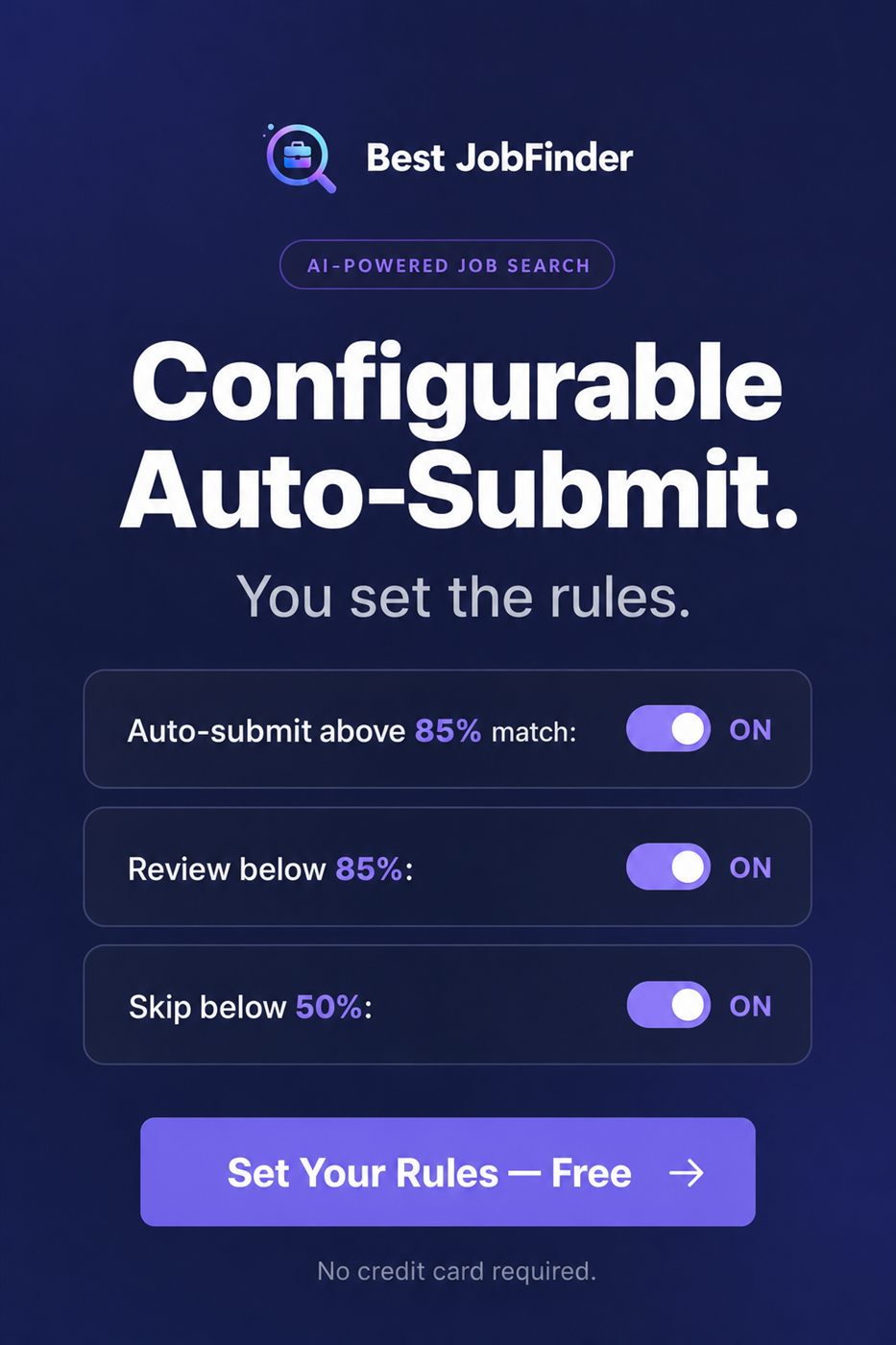
Configurable Auto-Submit: Set the Rules for How Far Automation Goes
Auto-submit above 85% match, review between 50 and 85%, skip below 50%. Here's how threshold-based, supervised auto-apply saves hours without handing away control of what gets sent.
 Resume Tips
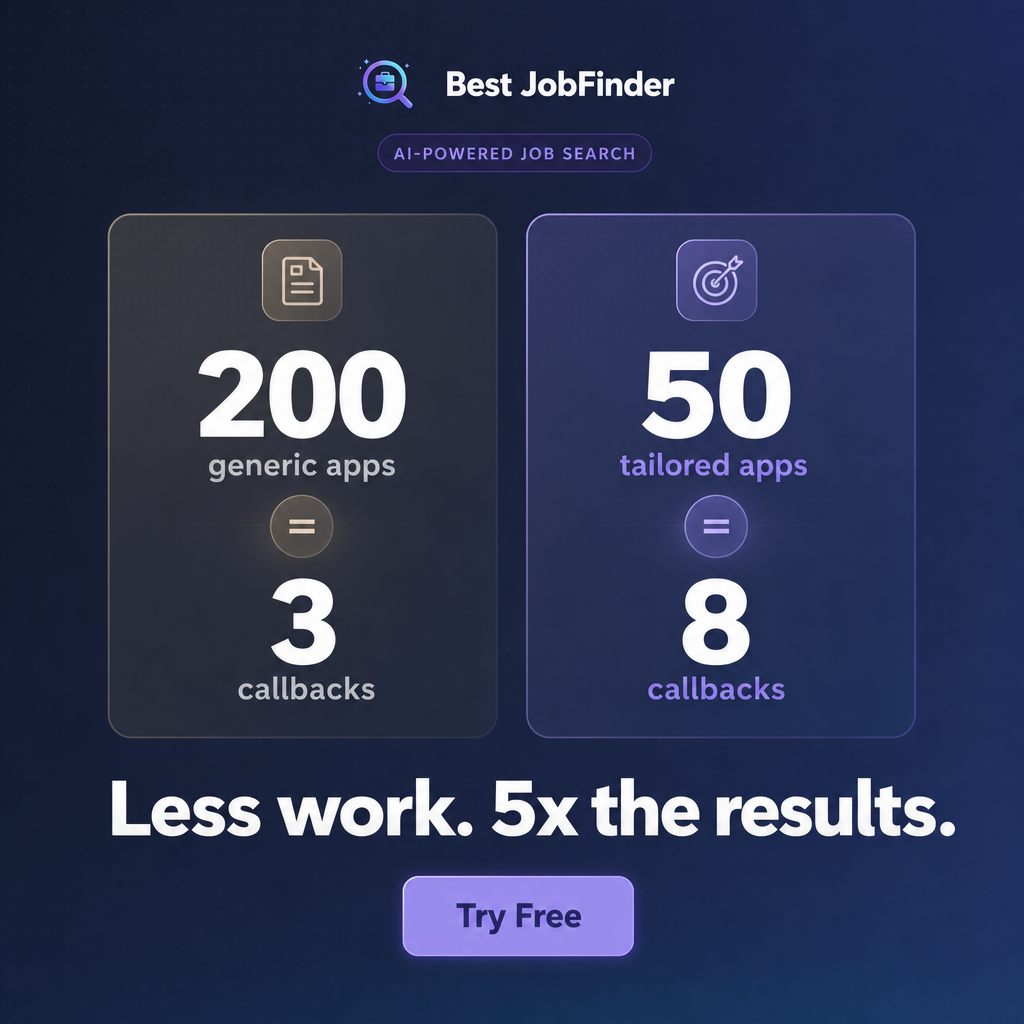
The Math on Resume Tailoring: Fewer Applications, More Callbacks
200 generic applications for 3 callbacks, or 50 tailored ones for 8. The reasoning behind why a resume rewritten per job description outperforms volume, and how to get it tailored without an hour of manual editing.
 How-To Guides
AI-Generated Cover Letters: Why "Personalized" Has to Mean Per-Job
A template with your name swapped in is not a personalized cover letter. Here's what an AI cover letter needs to reference to actually read as written for this role, and how the generation step should work.
 Resume Tips
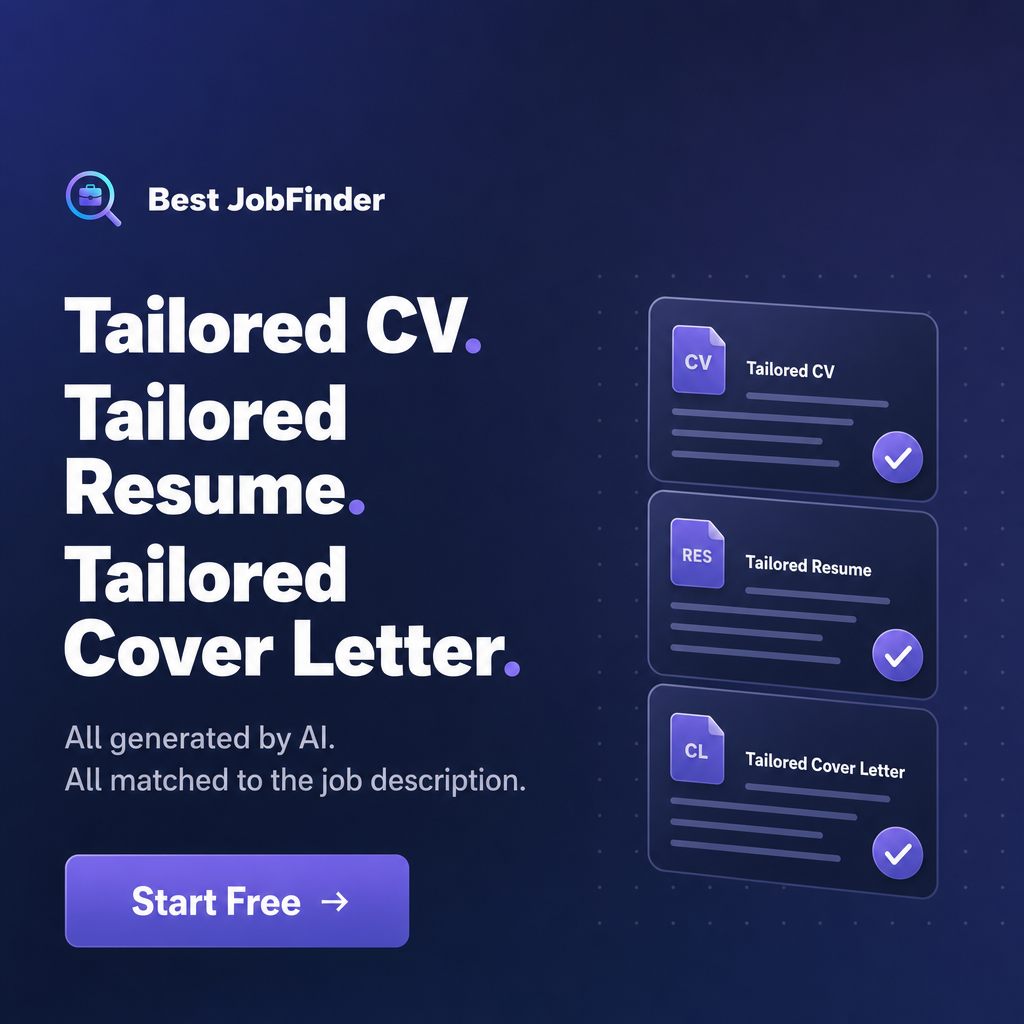
One Click, Three Documents: Generating a Matched CV, Resume, and Cover Letter Together
Tailoring a CV, a resume, and a cover letter separately for the same job triples the editing work and often disagrees with itself. Here's why generating all three from one job description in a single pass keeps them consistent.
 Career Tips
No More Spreadsheets: Tracking Applications, Interviews, and Offers on One Board
A spreadsheet does not tell you it's time to follow up. Here's how a Kanban-style application tracker replaces the spreadsheet, and which stages actually deserve their own column.
 How-To Guides
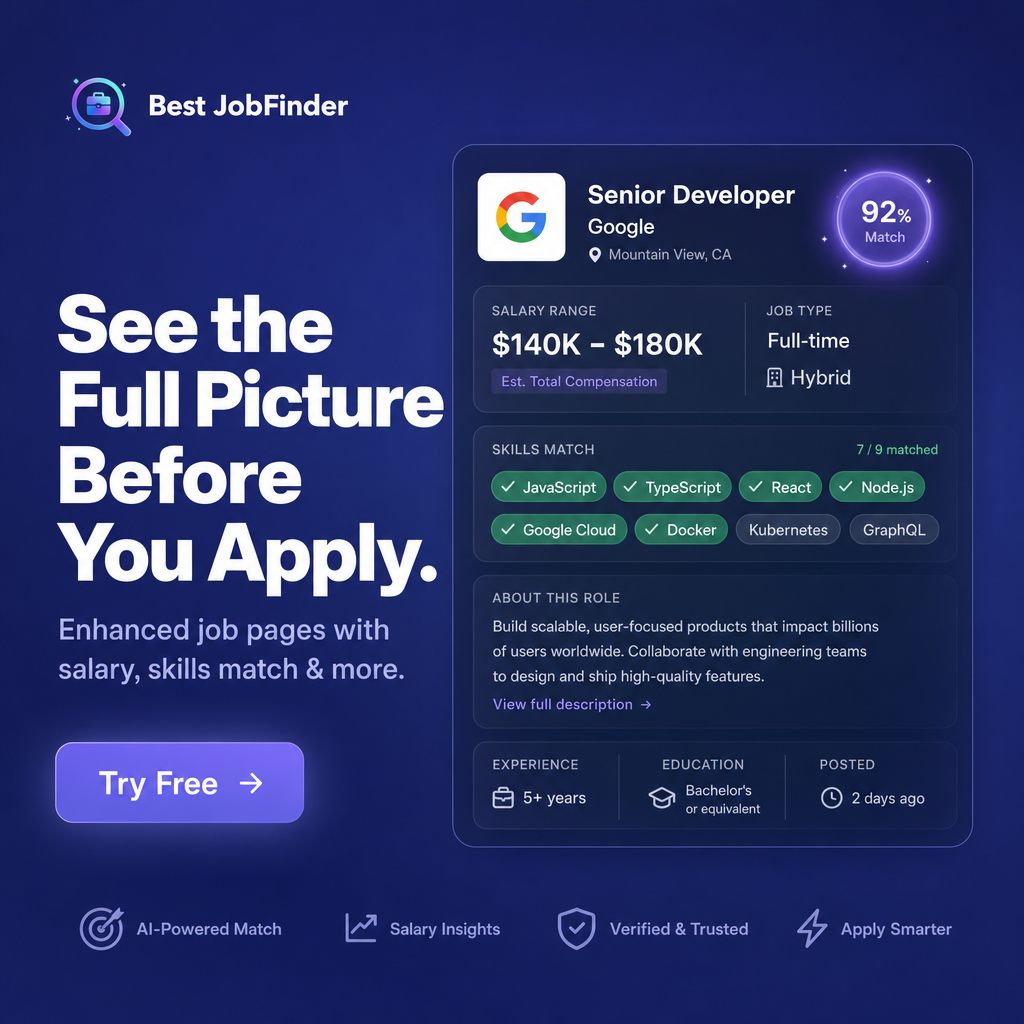
See the Full Picture Before You Apply: What an Enhanced Job Page Should Show
A job title and a description are not enough to decide whether 25 minutes of applying is worth it. Here's the layered information — salary, skills match, company rating — that belongs on every job page.
 AI Guides
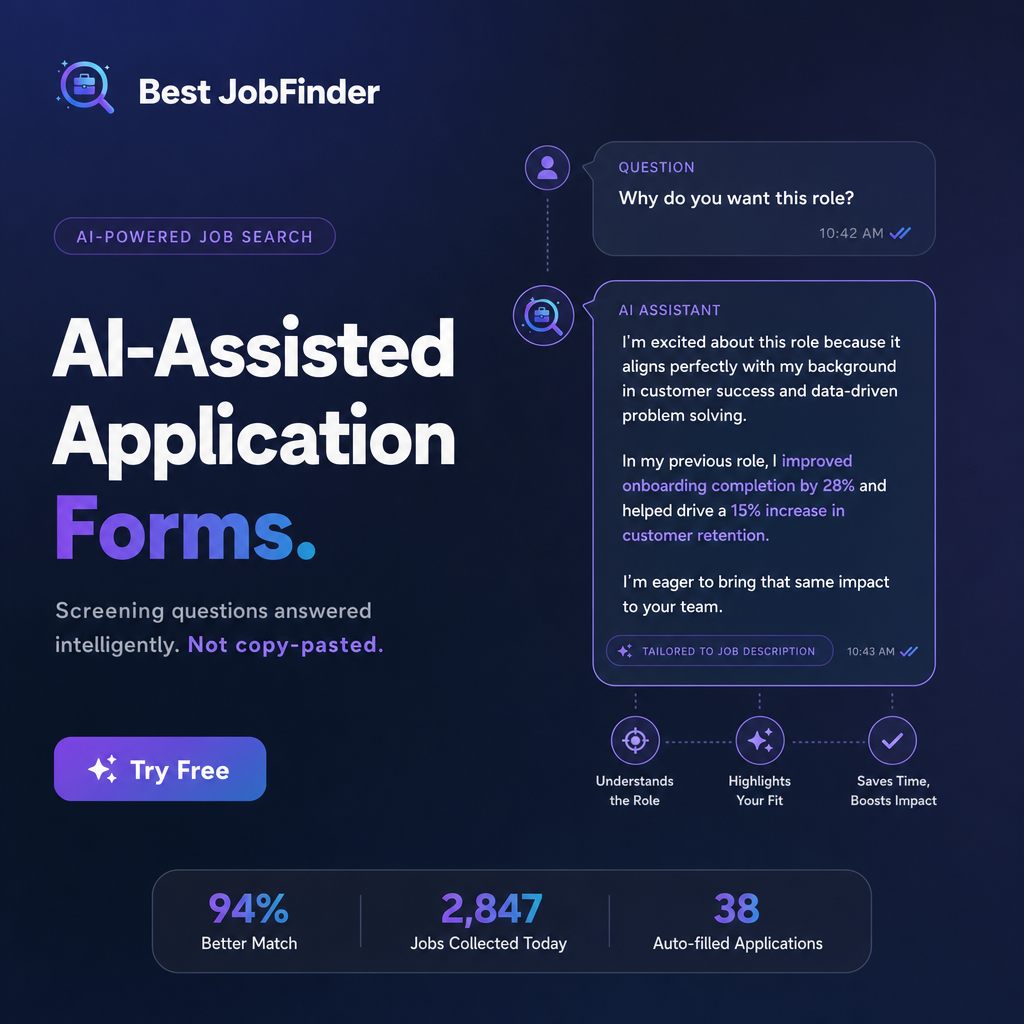
AI-Assisted Screening Questions: Answered Intelligently, Not Copy-Pasted
"Why do you want this role?" deserves a different answer for every application. Here's how AI should actually read a screening question, and where a copy-pasted answer gives itself away.
 How-To Guides
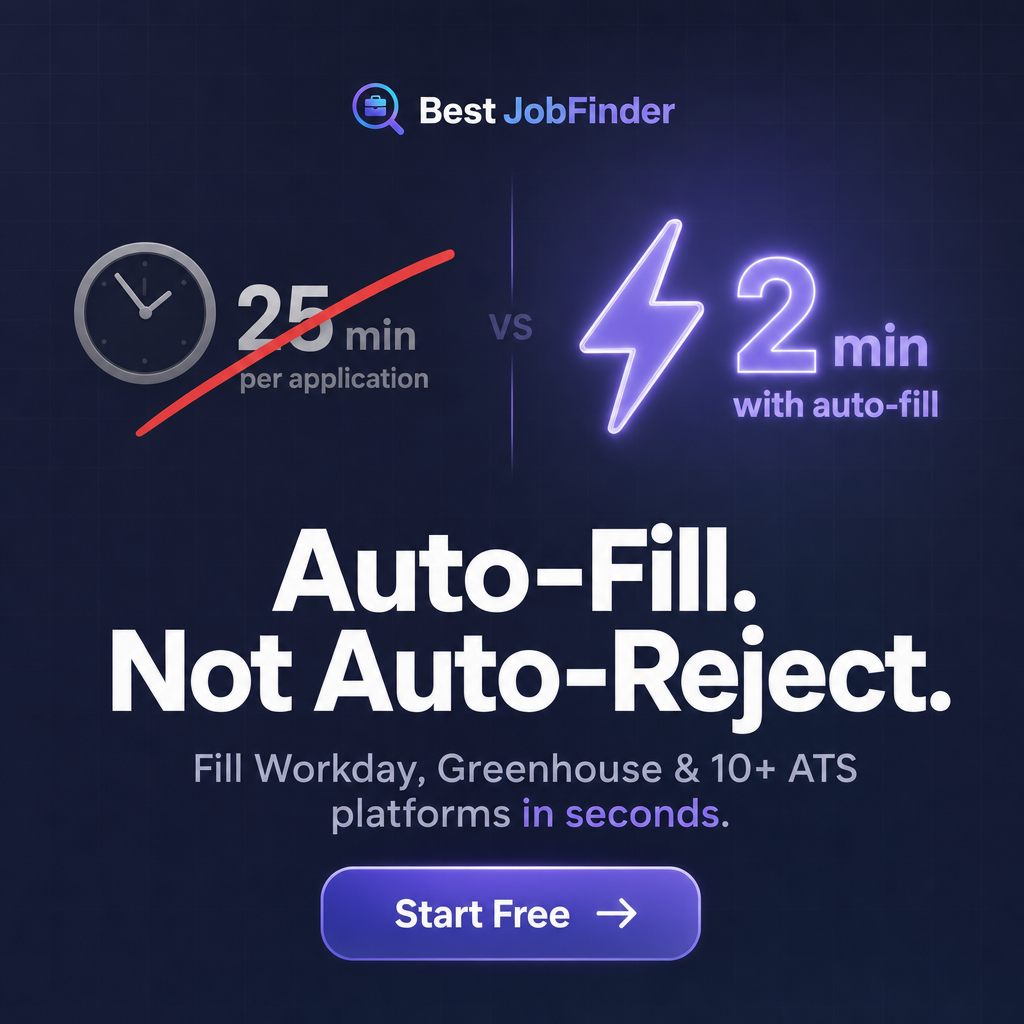
Auto-Fill, Not Auto-Reject: Why Fast Applications Still Need to Be Accurate
25 minutes of manual typing and 2 minutes of sloppy autofill can produce the same outcome: rejection. Here's the difference between autofill that saves time and autofill that quietly costs you the interview.
 Interview Prep
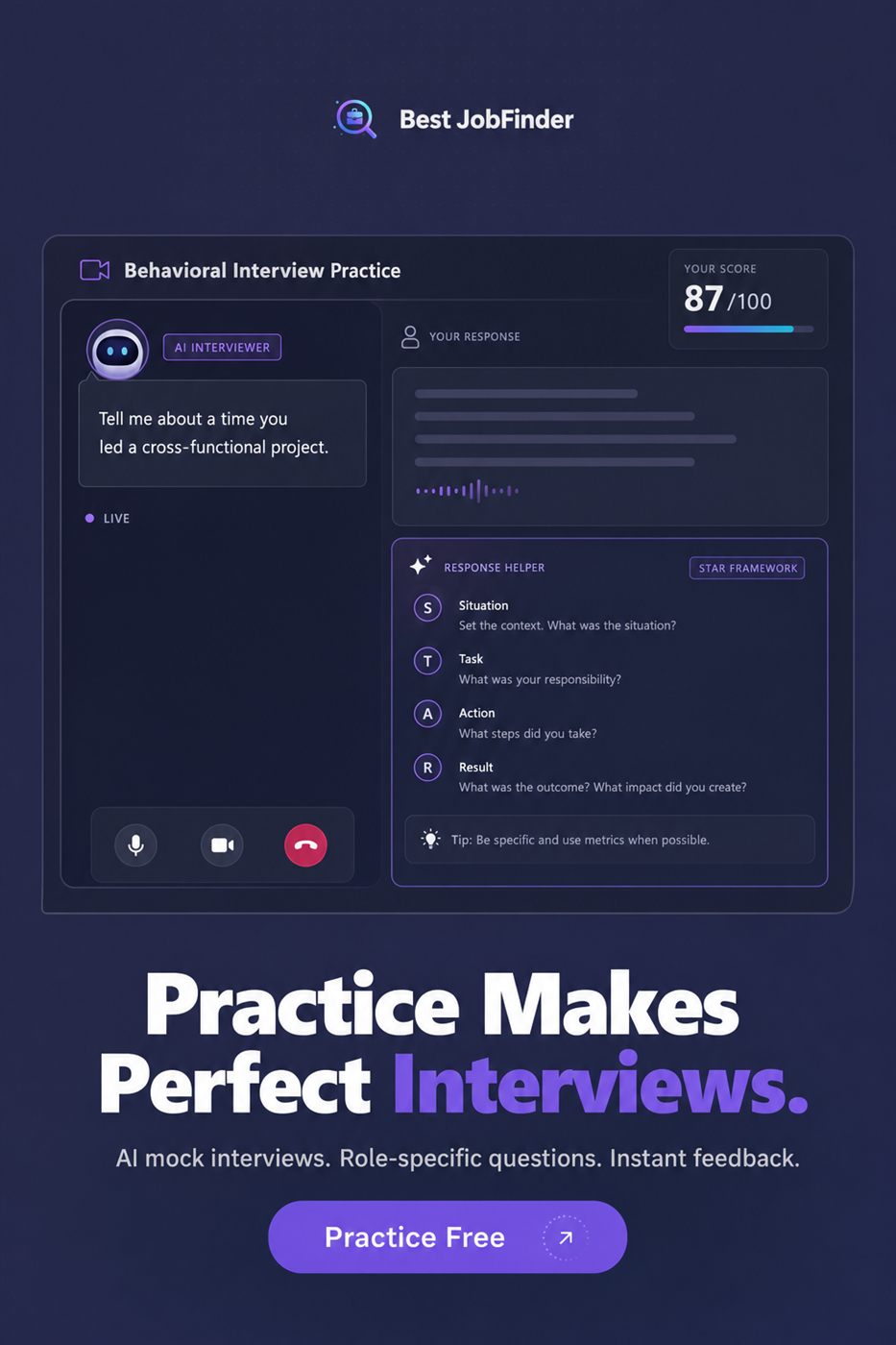
Practice Makes Perfect Interviews: AI Mock Interviews and Technical Assessment Prep
A behavioral round and a technical assessment test completely different things. Here's how AI-driven mock interviews with STAR-framework feedback and timed coding practice prepare you for both.
 Privacy
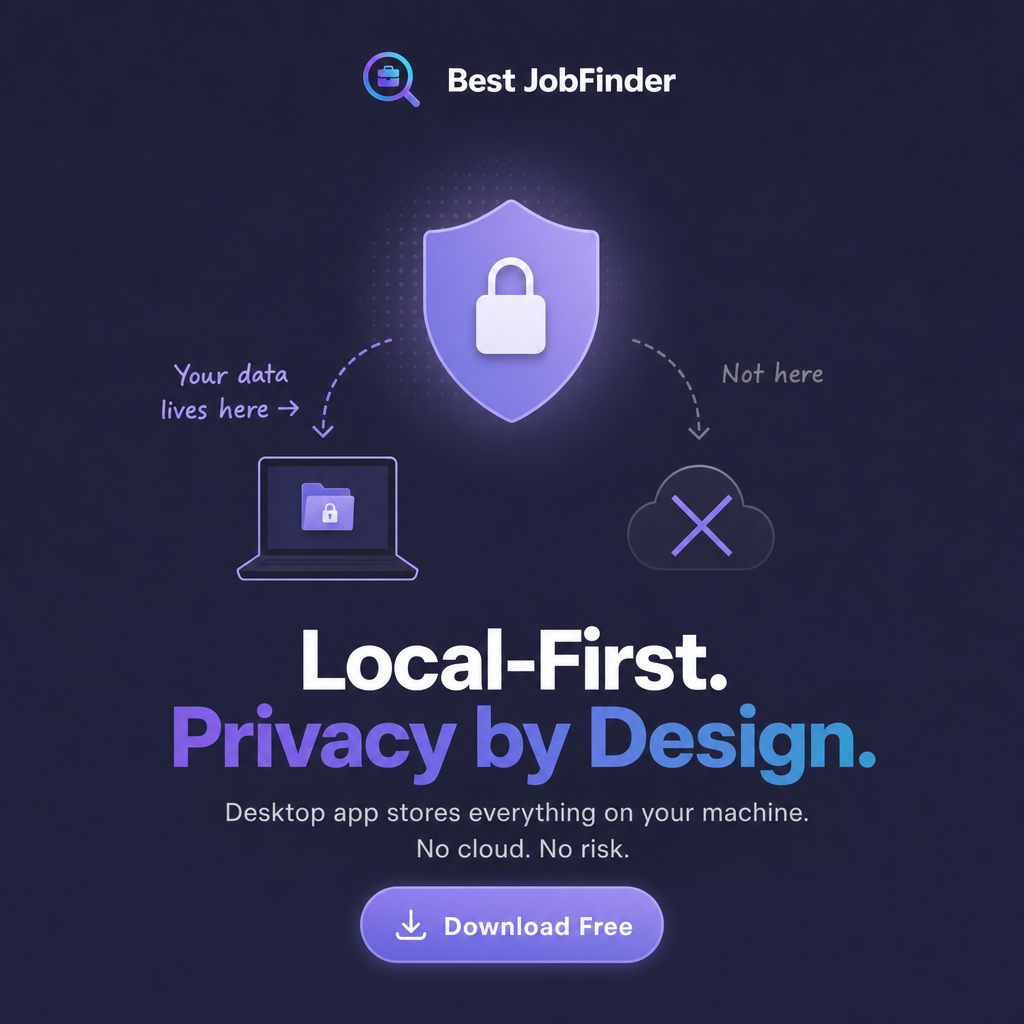
Who Controls Your Job Search Data? A Look at Privacy by Design
A job search platform sees your résumé, your salary history, and every company you've quietly applied to. Here's what privacy by design actually needs to guarantee, beyond a line in a privacy policy.
 Resume Tips
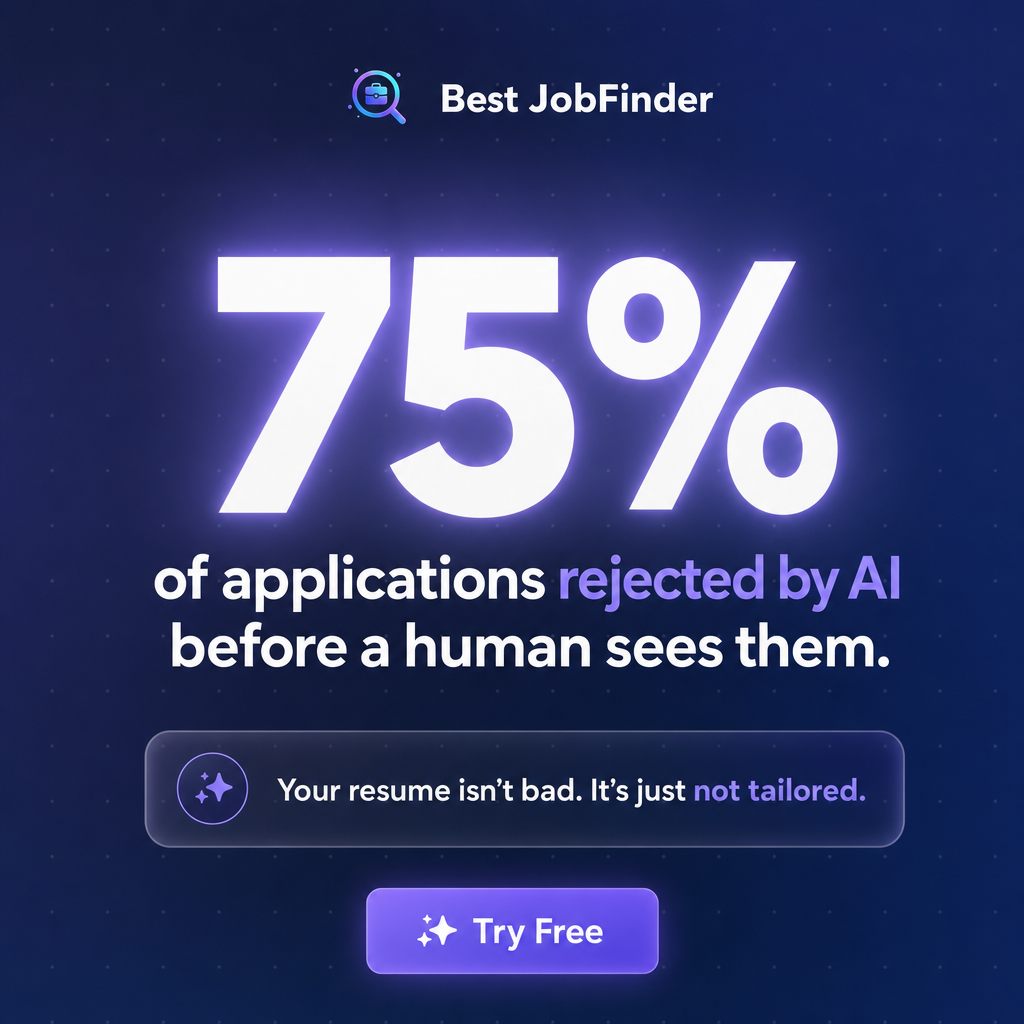
Beat the ATS Wall: Turning Silent Rejections Into Interview Invitations
A large share of applications are filtered out by an ATS before a person ever opens them. Here's what actually causes that, and the concrete changes that move a resume from rejected to shortlisted.
 Comparisons
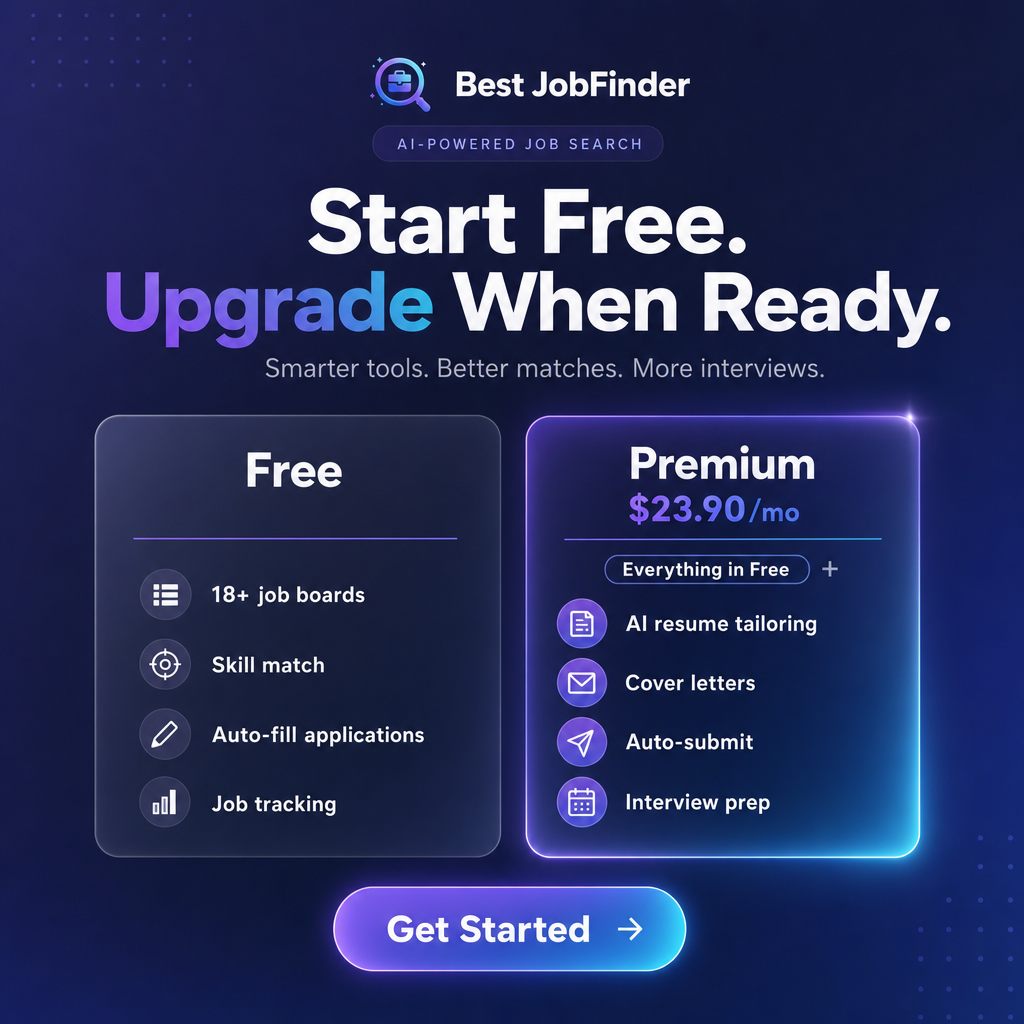
Free Trial vs Paid Plans: Which Best JobFinder Tier Actually Fits Your Job Search
Every plan starts with a free trial covering search, matching, autofill and tracking. Paid tiers add AI tailoring, cover letters, auto-submit and interview prep. Here's how to tell which one you actually need.
 How-To Guides
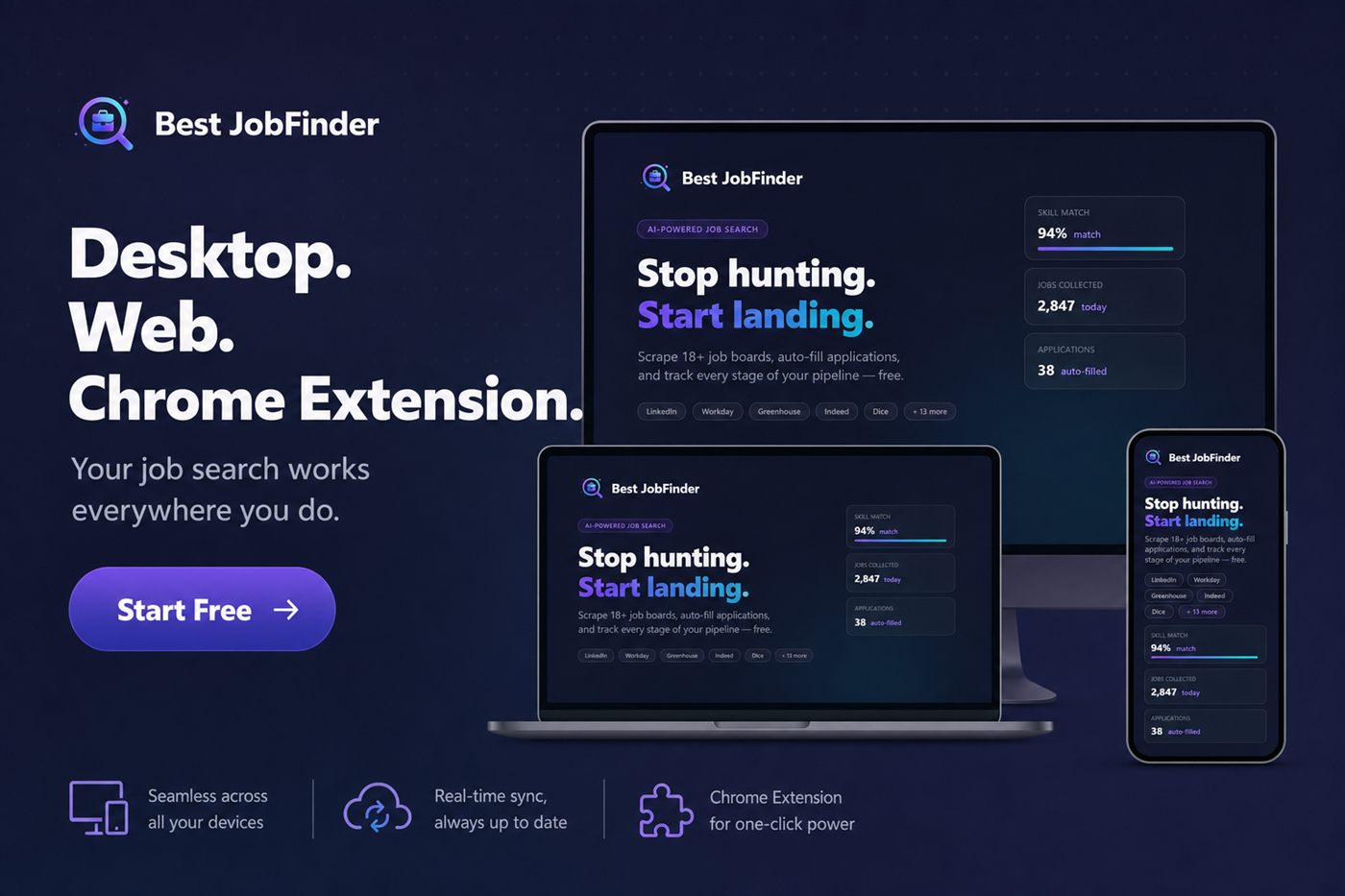
One Job Search, Every Device: Desktop, Web, and Chrome Extension
Starting a search on your laptop and finishing an application from a browser on another machine should not mean starting over. Here's how a job search stays in sync across a desktop app, a web app, and a browser extension.
 Playbooks
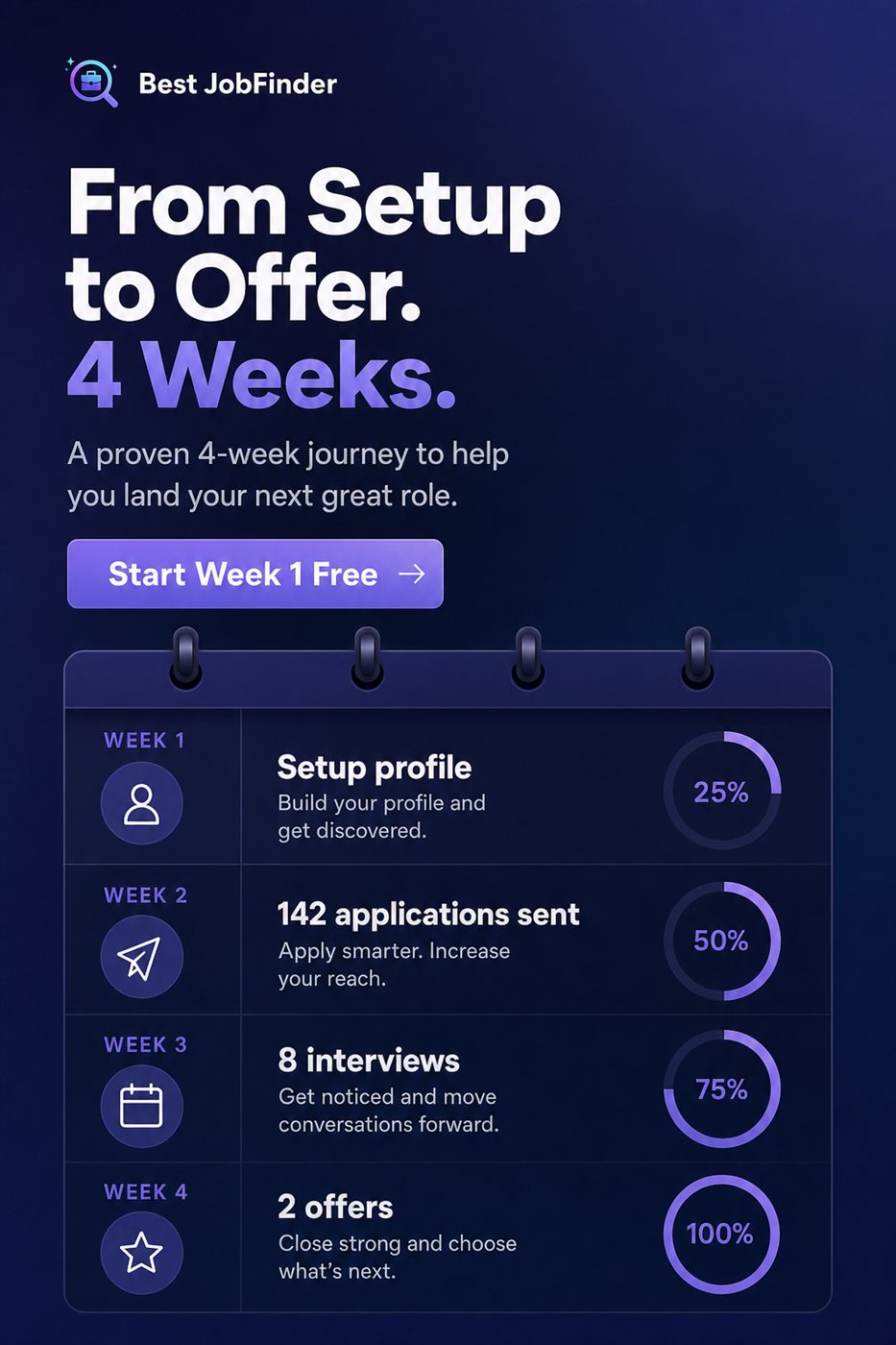
From Setup to Offer in 4 Weeks: A Realistic Job Search Timeline
Week 1 is profile setup, not applications. Here's a week-by-week plan — grounded in what actually moves the needle at each stage — for going from a blank profile to a signed offer.
 AI & Automation
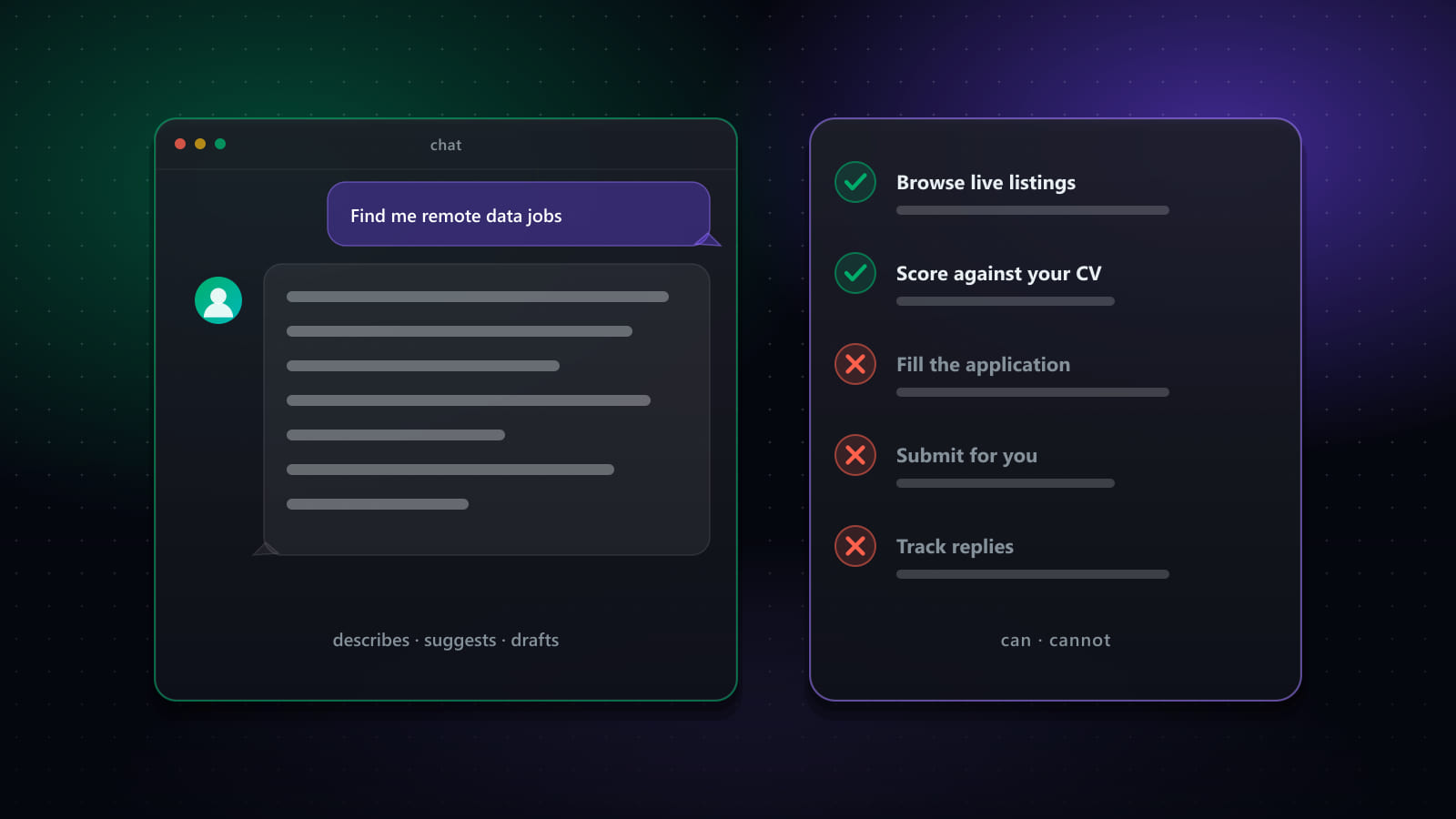
Can ChatGPT Find Jobs for Me? What It Can and Can't Do
ChatGPT can search the web, summarize postings, and draft application material — but it doesn't remember your search from one day to the next or check 20+ boards on a schedule. Here's exactly where the line is.
 AI & Automation
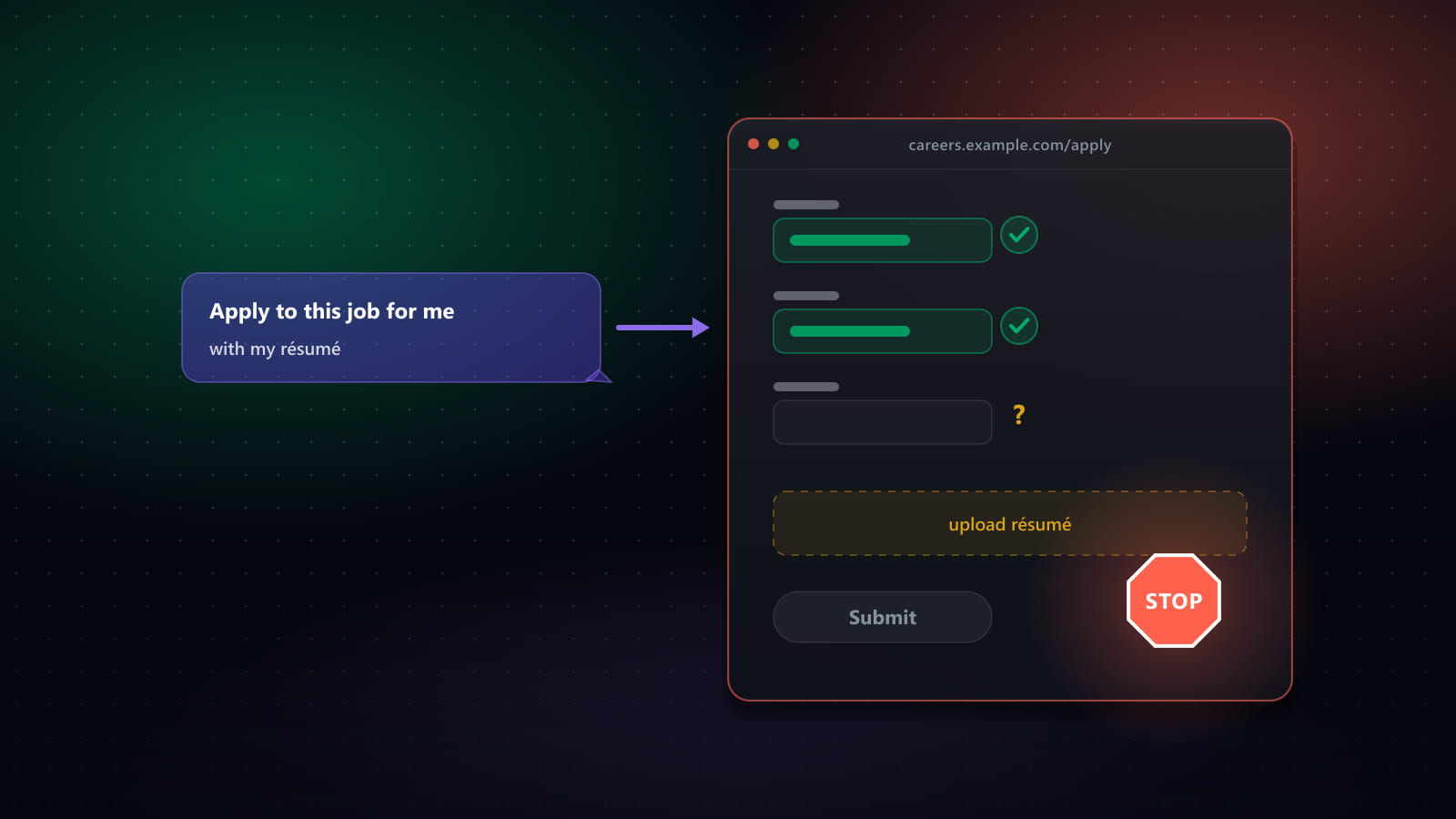
Can ChatGPT Apply to Jobs for You? What Actually Happens When You Try
ChatGPT's agent mode can open a browser and click through a form. Whether it can actually finish and submit a real job application is a narrower question — here's what holds up and what doesn't.
 AI & Automation
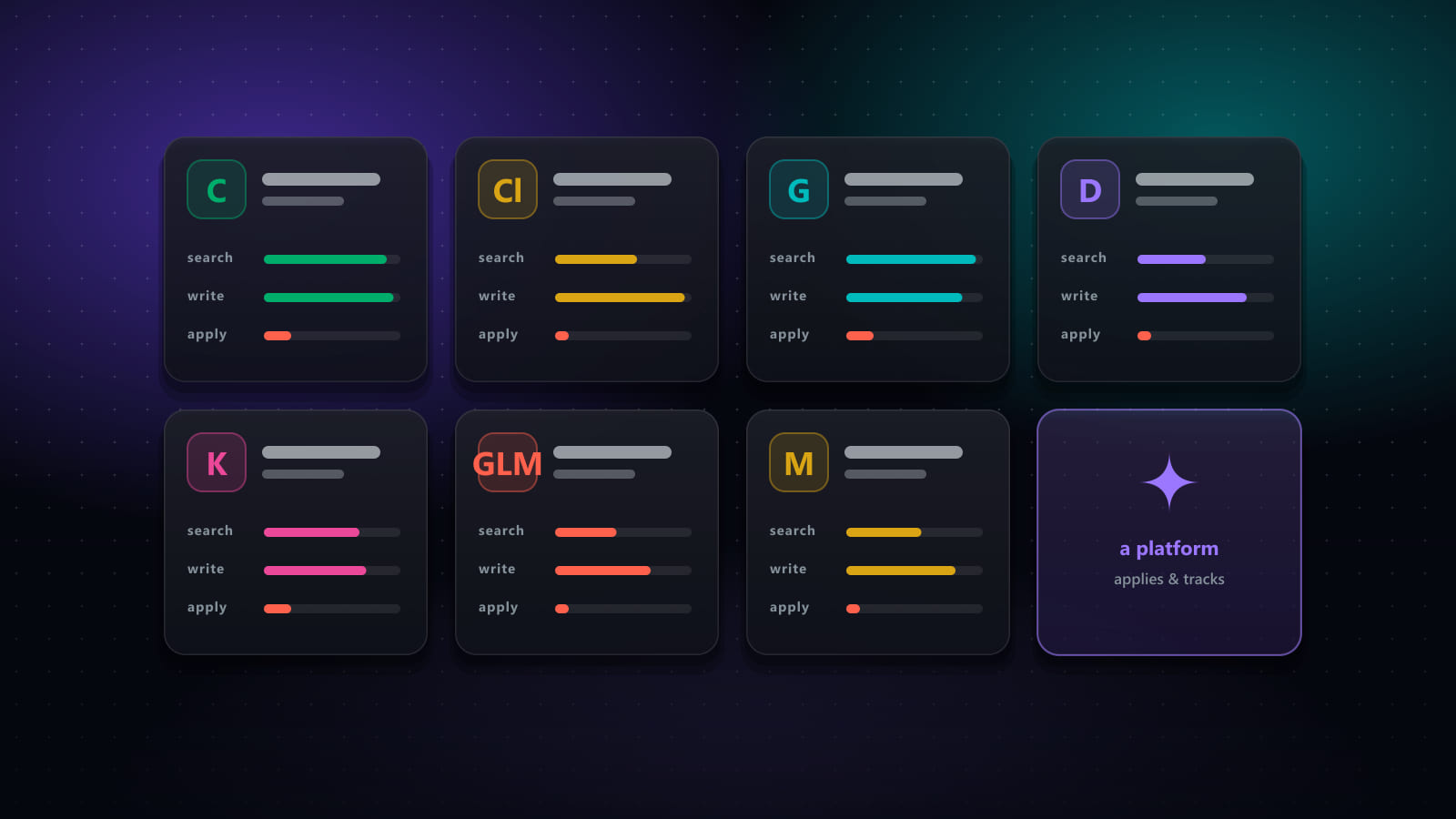
ChatGPT, Claude, Gemini, DeepSeek, Kimi, GLM, and Mistral for Job Search: What Each One Can Do
Seven AI chatbots, one question: can any of them run your job search? A model-by-model look at what's actually built in versus what needs a dedicated tool wrapped around it.
 How-To Guides
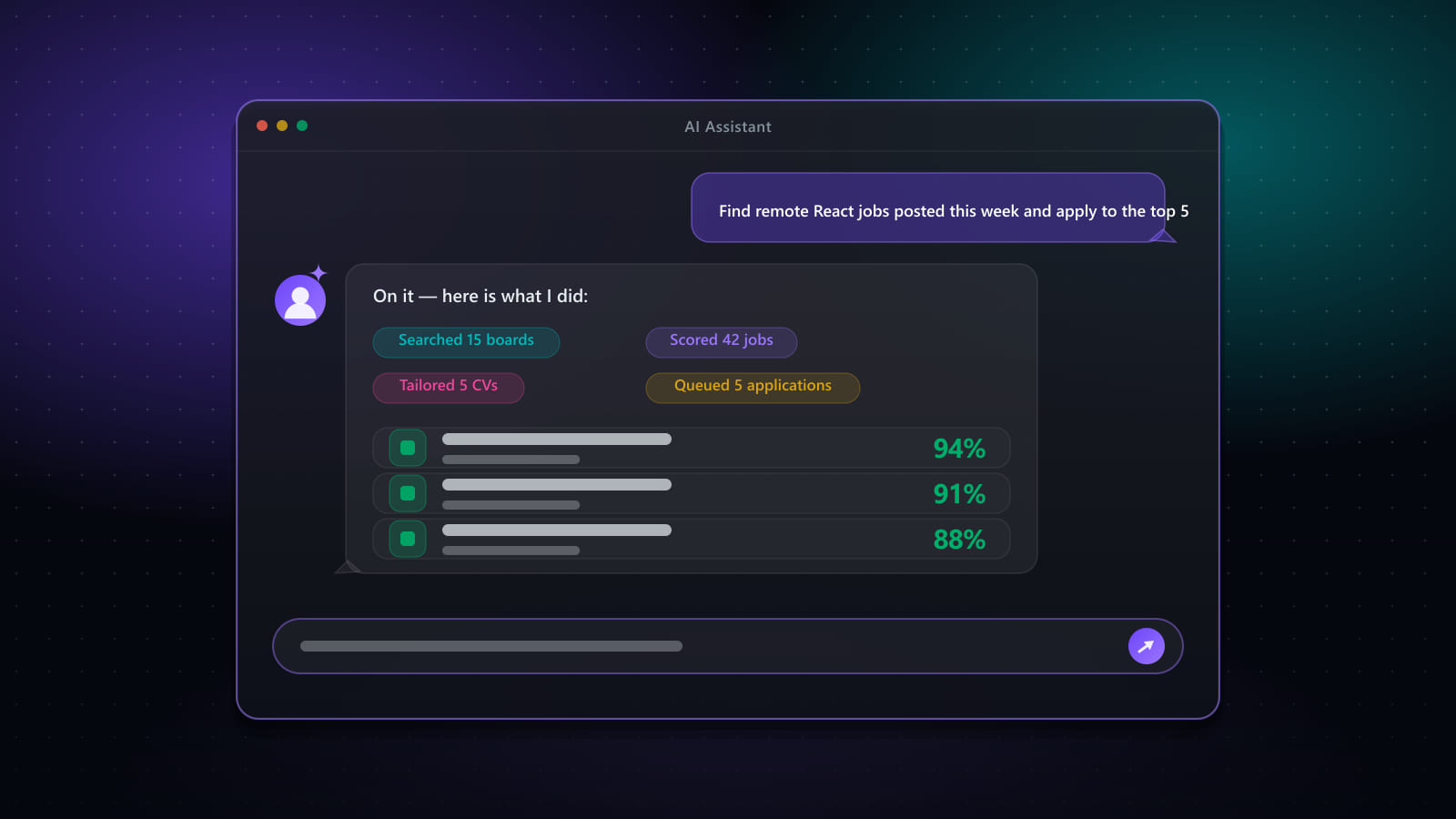
Meet the AI Assistant: Run Your Job Search by Chat
The AI Assistant reads your own account data and drives the app's real screens from plain-English chat — tables, stat cards and charts instead of walls of text, and a confirmation step before anything risky runs.
 Career Coaching
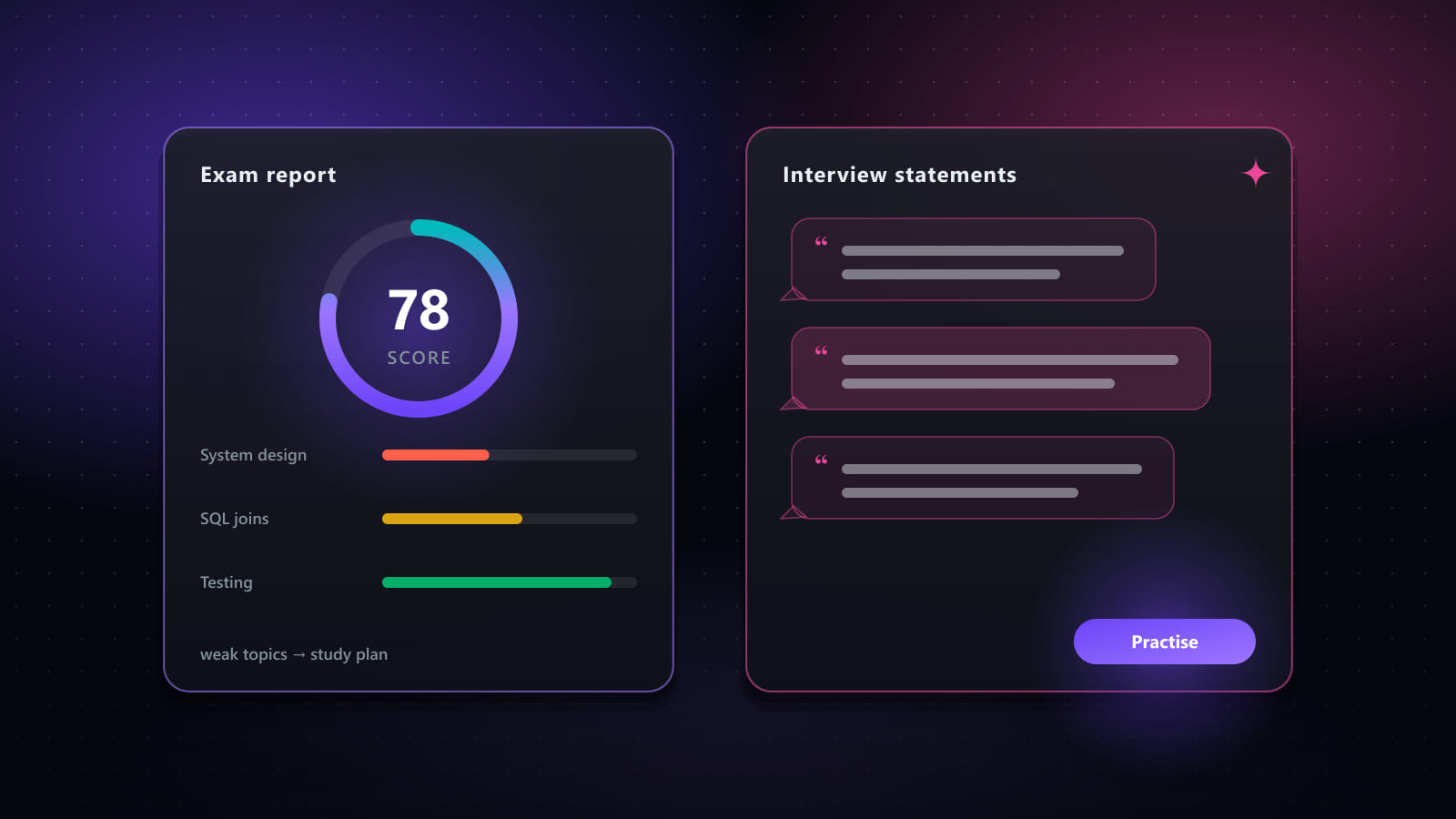
How Career Coach Grades You: AI Exams, Interview Statements, and a Report That Tells You What to Fix
Career Coach doesn't just quiz you — it grades open-ended answers the way a hiring manager would, tells you exactly which topics are weak, and now lets you generate and rehearse speakable interview statements with AI feedback.