Search 20+ Job Boards at Once Instead of 12 Browser Tabs
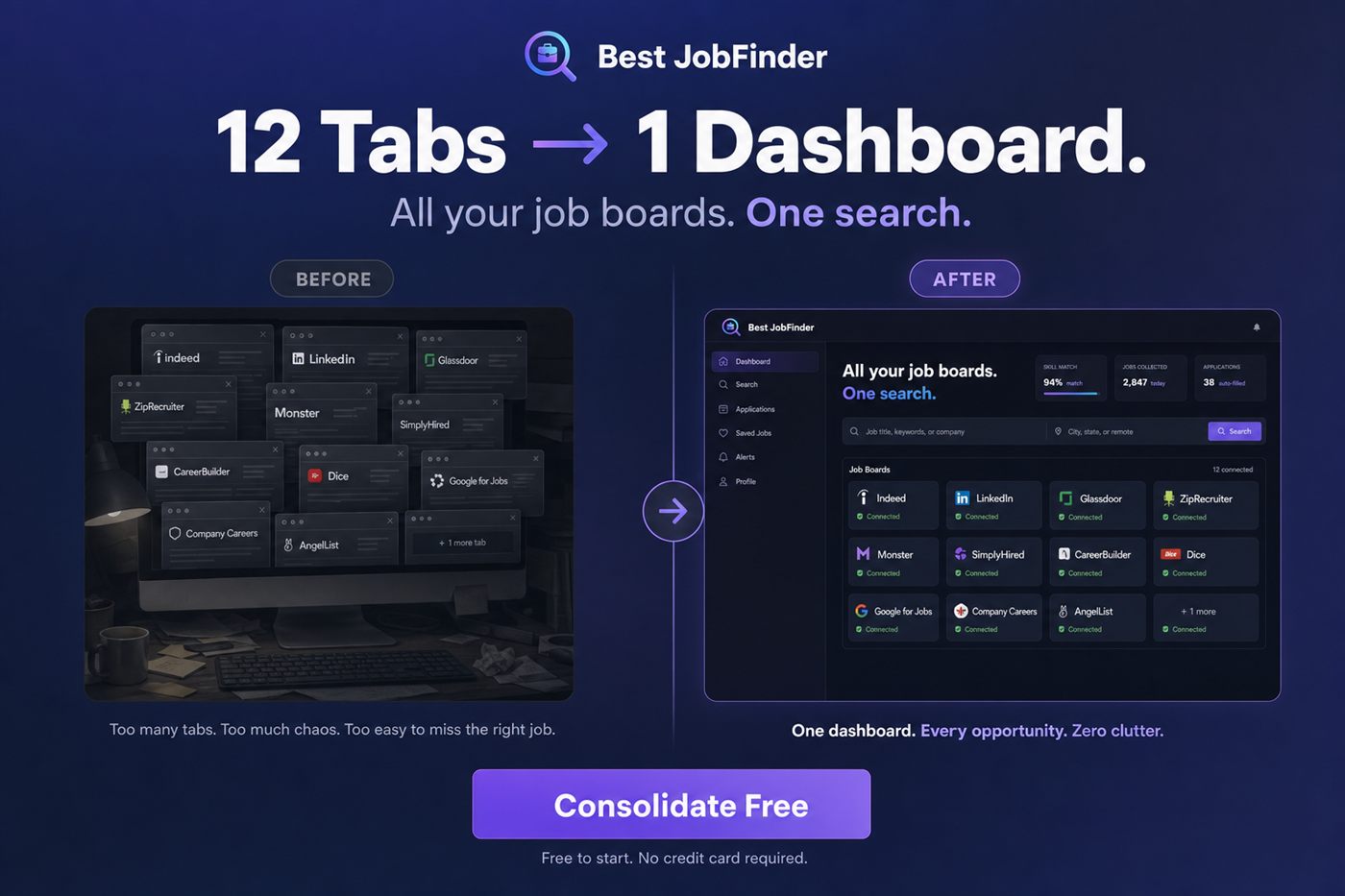
Open twelve tabs — LinkedIn, Indeed, Dice, Glassdoor, ZipRecruiter, a couple of company career pages, maybe Wellfound if you're looking at startups — and you've committed to twelve different search boxes, twelve different filter sets, and twelve logins to remember. None of that effort tells you anything about the job. It's pure overhead sitting in front of the actual search.
The fix isn't a thirteenth tab. It's collapsing the search itself: one query, run against every board you'd otherwise check by hand, returned as one deduplicated list.
Key takeaways
- The same opening frequently appears on multiple boards — a real aggregator has to deduplicate, not just concatenate results.
- Board coverage should match your target role: technical boards for engineering, startup boards for early-stage companies, general boards for breadth.
- Consolidating search doesn't remove the value of checking a short list of target employers' own career pages directly.
- One search across 20+ boards means one set of filters — location, remote, seniority — applied consistently instead of re-set on every site.
- The point isn't more results. It's the same results you'd have found anyway, minus the time spent finding them.
What "20+ job boards" needs to mean in practice
Best JobFinder's scraper layer is built as a pluggable engine per source — LinkedIn, Indeed, Dice, Greenhouse-hosted company boards, Workday-hosted company boards, Wellfound, Monster, ZipRecruiter, Workable, Jobright, Kariyer.net, Levels.fyi, RemoteOK, WeWorkRemotely, Twine, Jobgether, Himalayas, TheLadders and more — each one reading that board's own listing structure and normalizing the result into one common job format. That's the part that makes "20+ boards" more than a marketing count: a new source is registered once, and every existing filter, dedupe rule and status workflow applies to it automatically.
Why deduplication is the part that actually matters
A job posted through an ATS like Greenhouse or Workday usually syndicates outward to several public boards on its own. Search all of them naively and the same senior backend role at the same company shows up three or four times. Best JobFinder tracks each job by its source and the ATS's own external ID, so a posting seen twice under two different boards collapses into a single entry rather than inflating your result count with noise.
Search once, filter once
Beyond returning one list, a consolidated search means setting your filters — location, remote/hybrid/onsite, seniority, keywords — a single time and having them apply identically across every connected board, rather than re-configuring the same filters in twelve different UIs that all phrase "remote" slightly differently.
What still needs your own attention
A small number of employers post only on their own career page, ahead of or instead of any public board. If you have a specific shortlist of target companies, it's still worth checking their career pages directly — though many company-hosted Greenhouse and Workday postings are already indexed as part of the same 20+ board coverage, precisely because those platforms are common ATS choices, not standalone job boards.
From there, the next question is usually not "did I see enough jobs" but which of them are actually worth applying to — which is a scoring problem, not a search problem.
Frequently asked questions
Why do the same jobs appear on so many different boards?
Employers post to an ATS like Workday or Greenhouse, which then syndicates the listing outward to LinkedIn, Indeed, and a handful of niche boards automatically. A single opening can legitimately have five separate listing pages. That's part of why searching board by board wastes time — you're often re-reading the same posting under a different URL.
Does searching many boards at once mean lower-quality or duplicate results?
Only if the tool doing the aggregating doesn't deduplicate. A search that pulls from 20+ sources needs to recognize the same posting arriving through two different boards and collapse it into one entry — otherwise you get a longer list, not a better one. Best JobFinder tracks jobs by source and external ID specifically so the same opening from two boards doesn't show up twice.
Which job boards actually matter for most job seekers?
It depends heavily on the role. LinkedIn and Indeed cover breadth across almost every field; Dice and Workday-hosted postings skew technical; Wellfound and startup-focused boards matter if you're targeting early-stage companies; Greenhouse-hosted company career pages matter if you're targeting specific employers directly. Our full breakdown by role type is in the best job boards for software engineers guide.
Do I still need to check company career pages directly?
Occasionally, yes — a small number of employers post exclusively on their own site before or instead of a public board. A board aggregator that also indexes company career pages (the way company-hosted Greenhouse and Workday postings get pulled in) closes most of that gap, but it's worth spot-checking a shortlist of target employers directly if you have one.
Ready to automate your job search?
Best JobFinder combines job discovery, AI skill matching, resume tailoring, and configurable auto-submit in one platform — with a 7-day free trial.
Try Best JobFinder free →Related Articles
 Comparisons
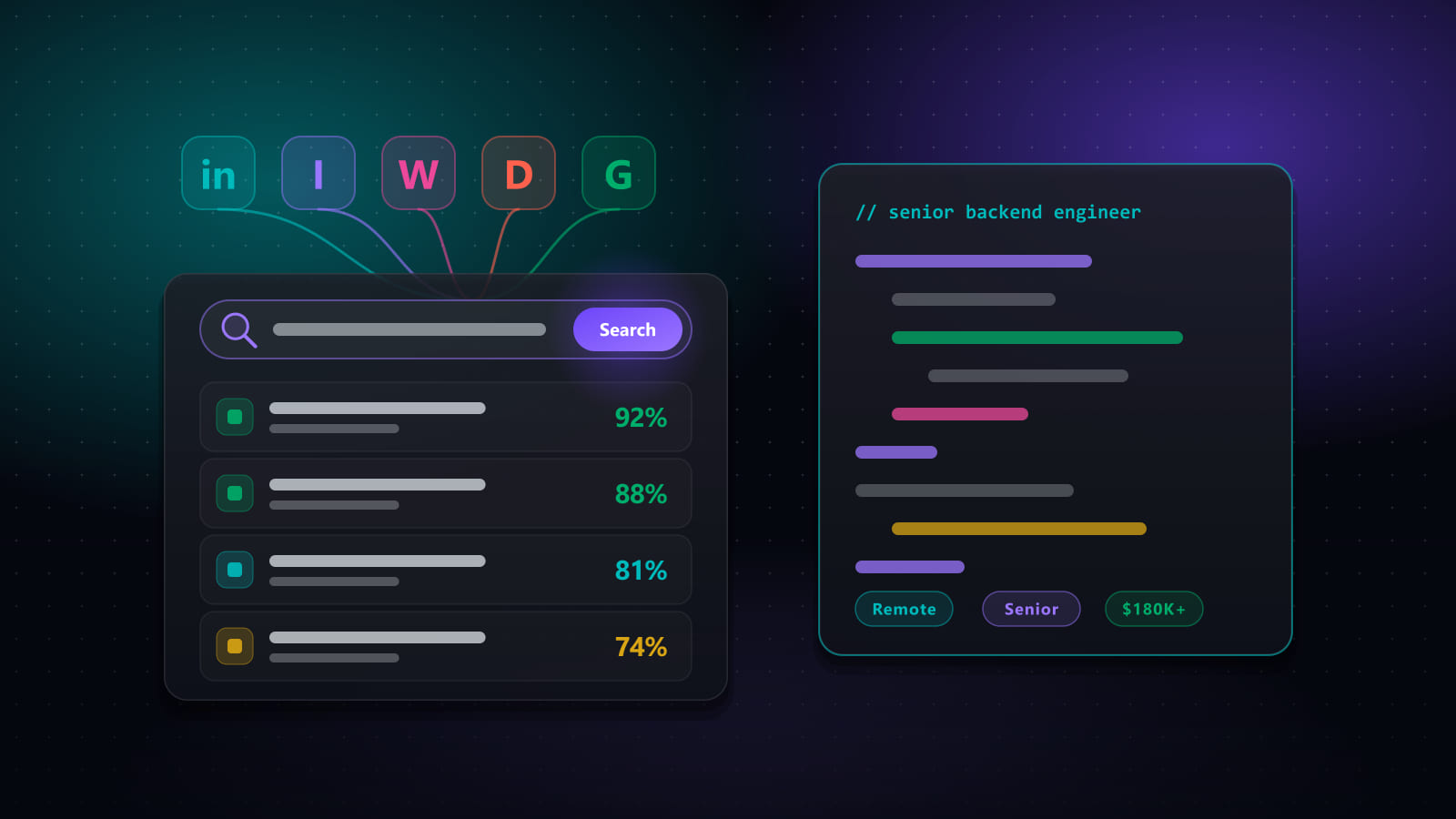
Best Job Boards for Software Engineers in 2026: LinkedIn vs Indeed vs Wellfound vs Dice vs Greenhouse
8 min read
 Playbooks
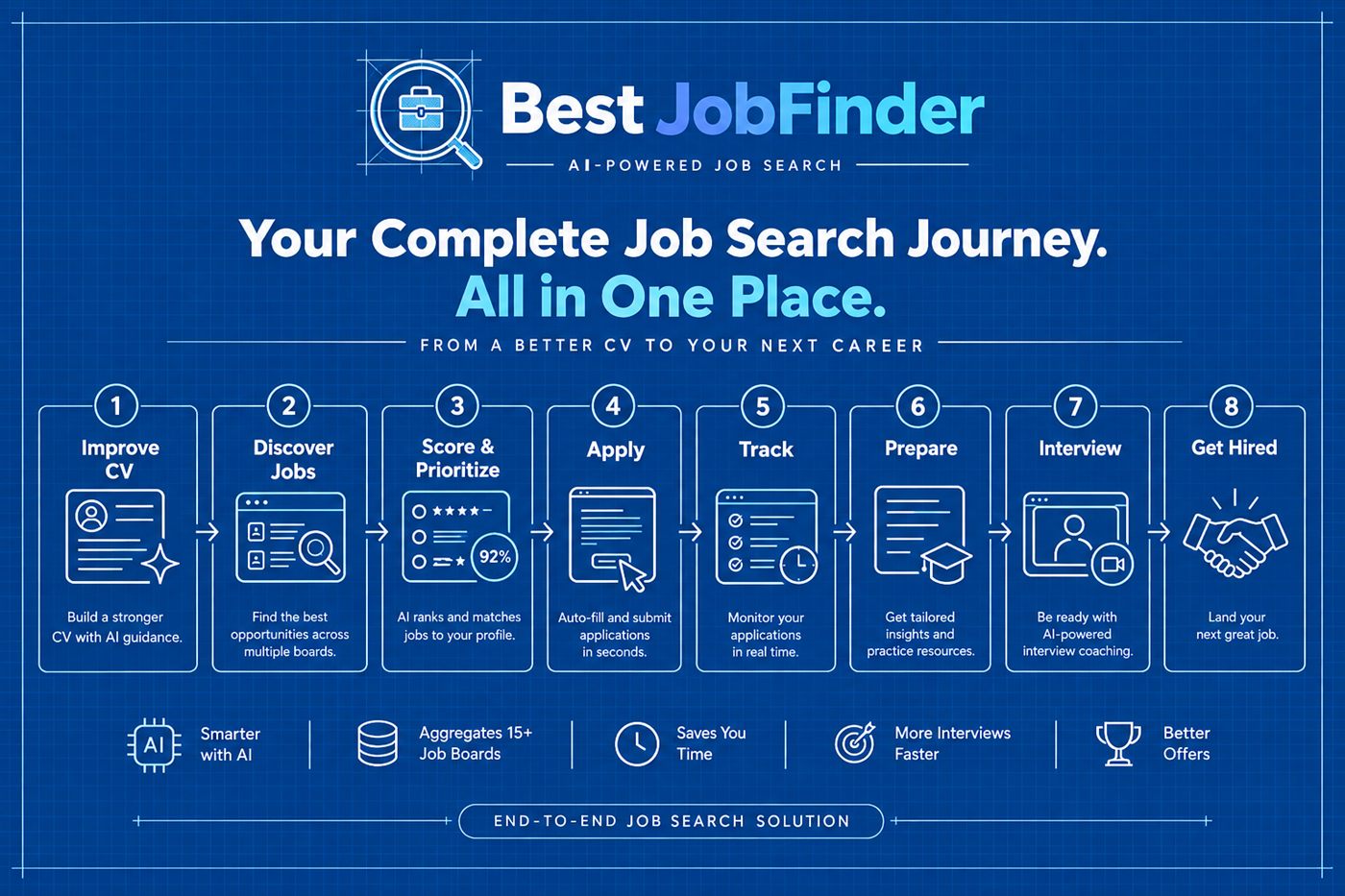
The All-In-One Job Search Platform: Discover, Score, Apply, Track, Prepare, Get Hired
9 min read
 Comparisons
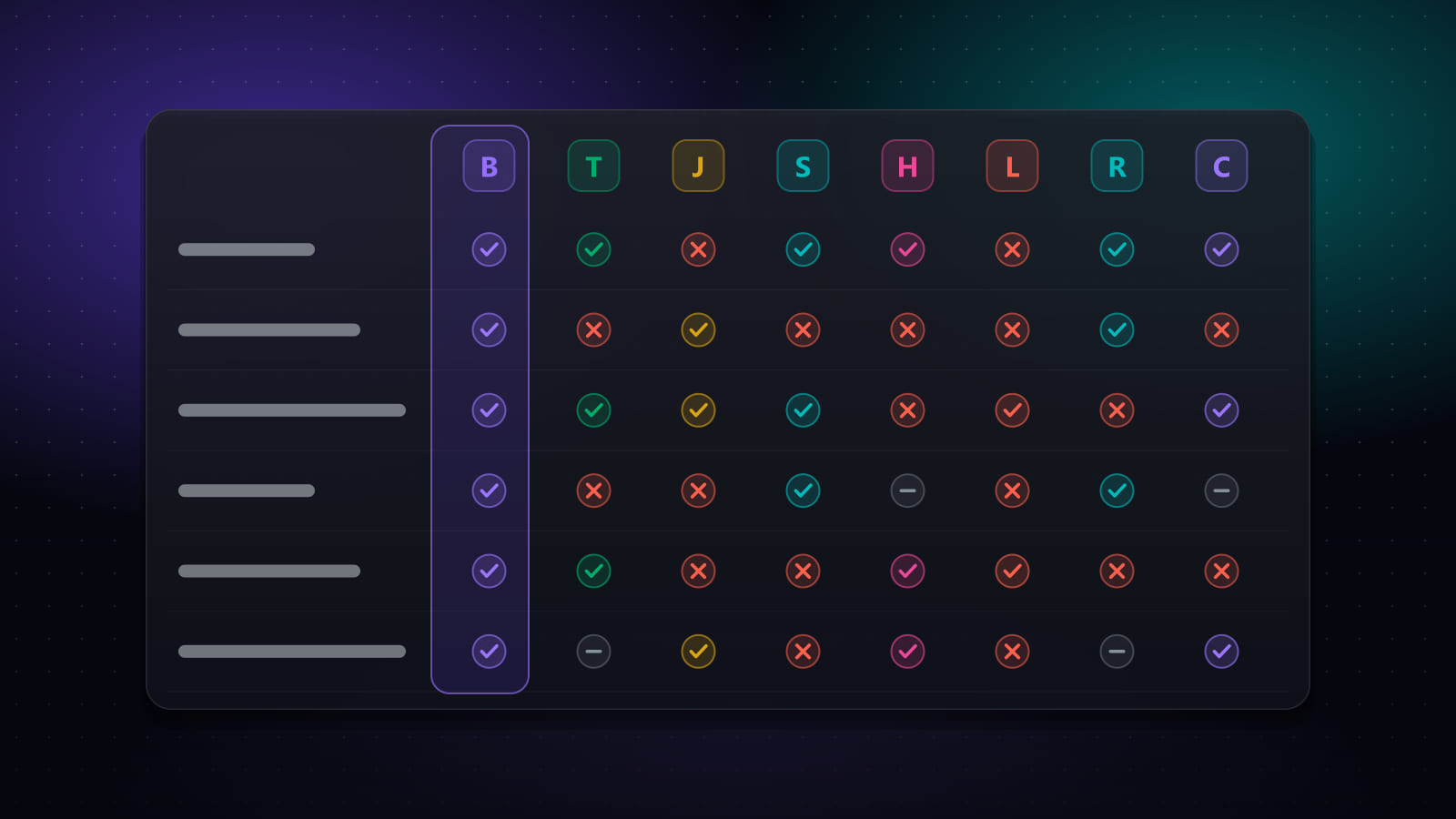
Best AI Job Search Tools in 2026: 8 Products Compared
12 min read