Practice Makes Perfect Interviews: AI Mock Interviews and Technical Assessment Prep
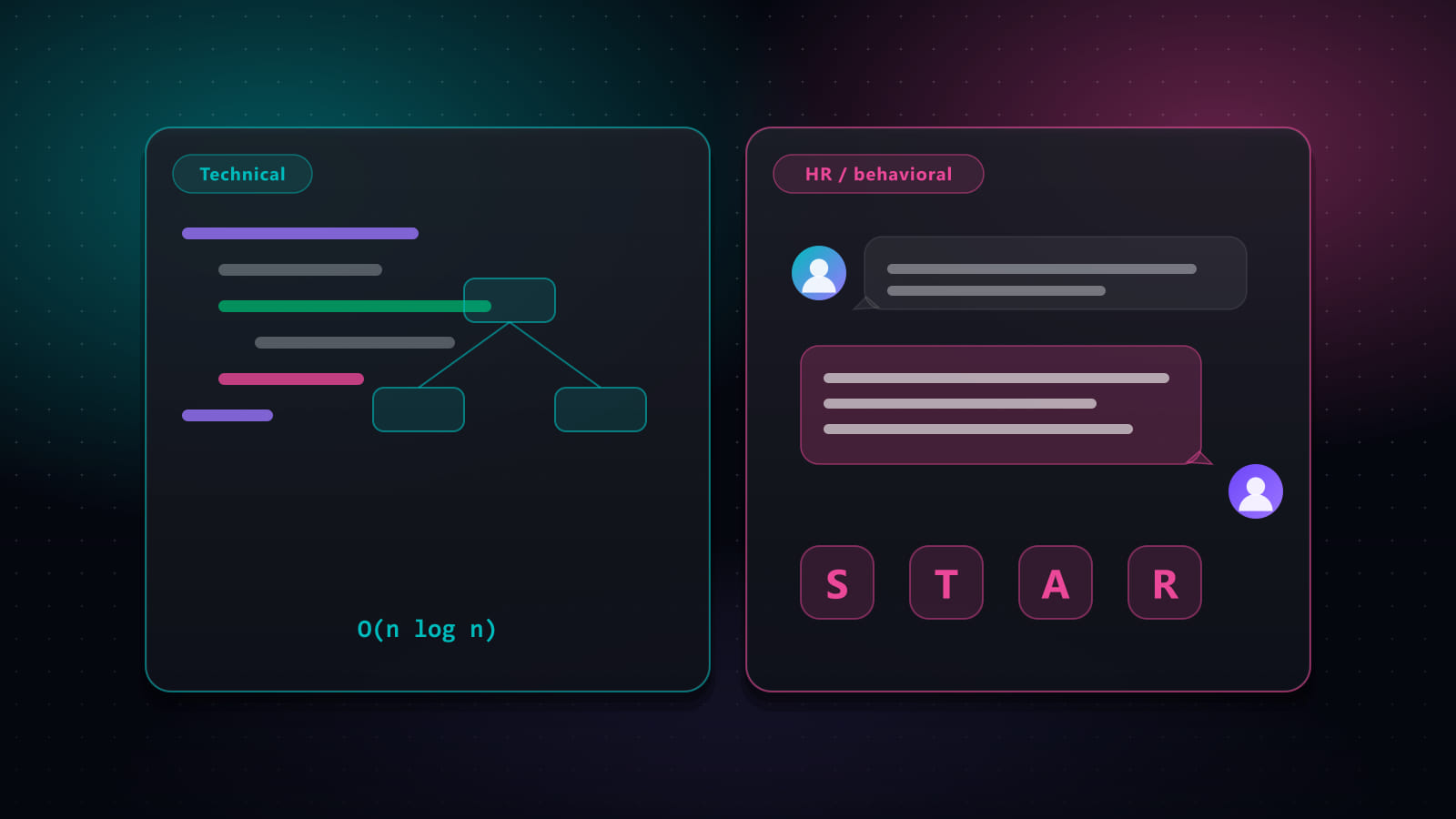
"Tell me about a time you led a cross-functional project" and "what is the output of this Python function" are testing two completely different skills, and preparing for one does almost nothing for the other. A candidate who's rehearsed strong behavioral answers can still freeze on a timed coding assessment, and a strong engineer who's never practiced telling a structured story under interview pressure can ramble through an otherwise winnable behavioral round.
Key takeaways
- Behavioral and technical rounds test different things — communication and evidence versus speed and correctness — and need separate preparation.
- The STAR framework (Situation, Task, Action, Result) targets exactly what interviewers are trained to listen for in a behavioral answer.
- AI feedback is useful when it's specific to what you actually said, not generic confidence coaching.
- Timed technical assessment practice matters because time pressure and exam formatting are part of what's being tested, not just the underlying skill.
- Role-specific mock interview questions — for this company and this level — beat generic interview-question lists for realistic practice.
Practicing the behavioral round with structure
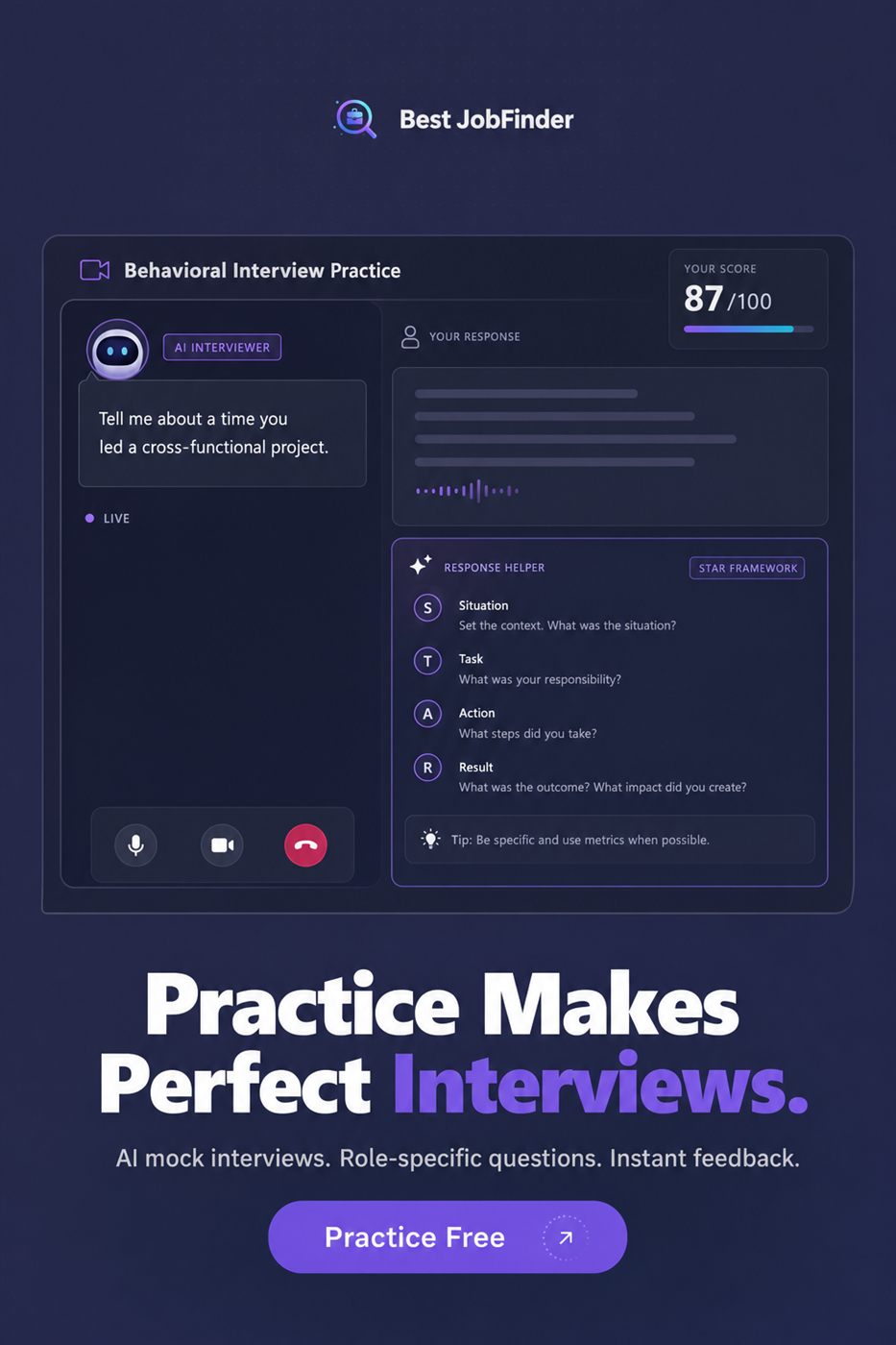
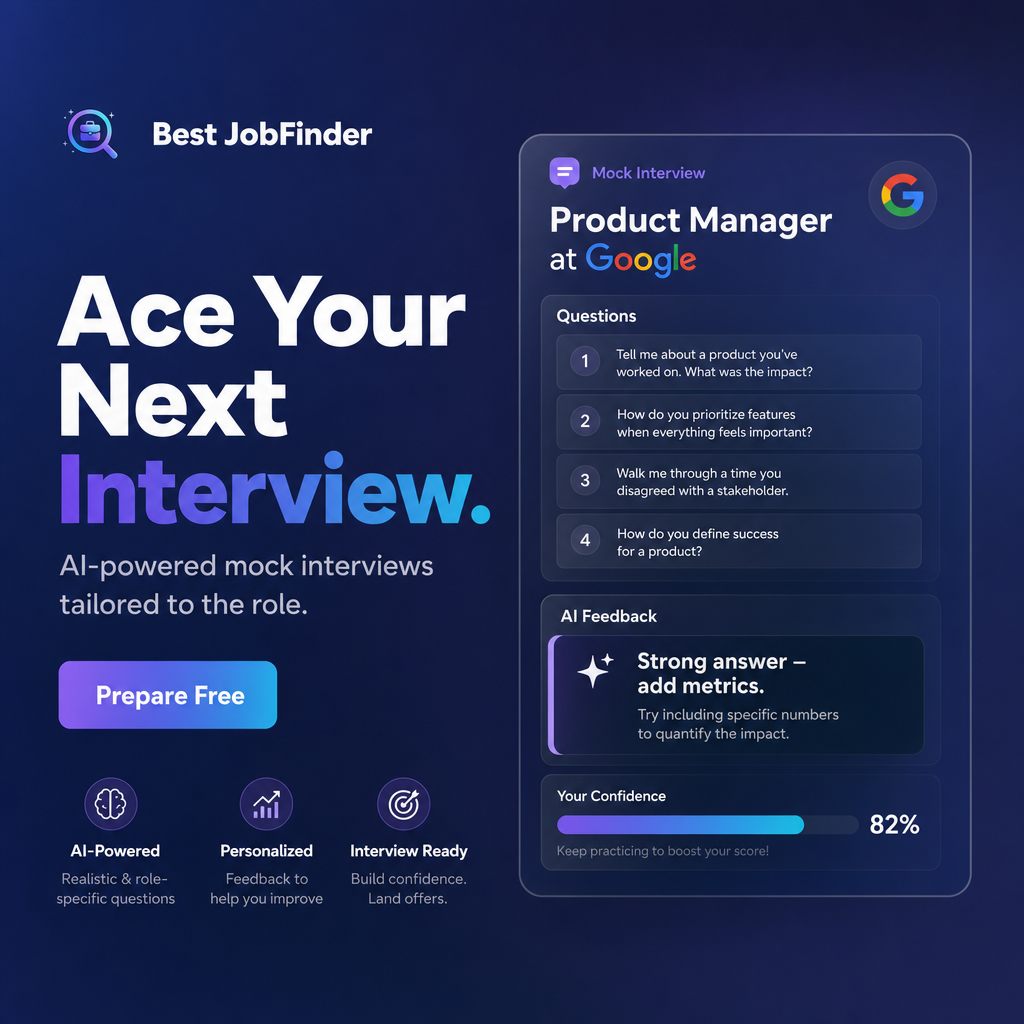
A vague, meandering answer to "tell me about a time when..." is the single most common failure in behavioral interviews, and it's fixable with structure alone. The STAR framework — naming the situation, the specific task you owned, the action you actually took, and a measurable result — gives an answer a shape interviewers recognize and reward. Practicing against role-specific behavioral questions, with feedback tied directly to whether your answer actually hit each part of that structure, is what turns "I think I answered okay" into a genuinely stronger answer next time.
Practicing the technical round under real conditions
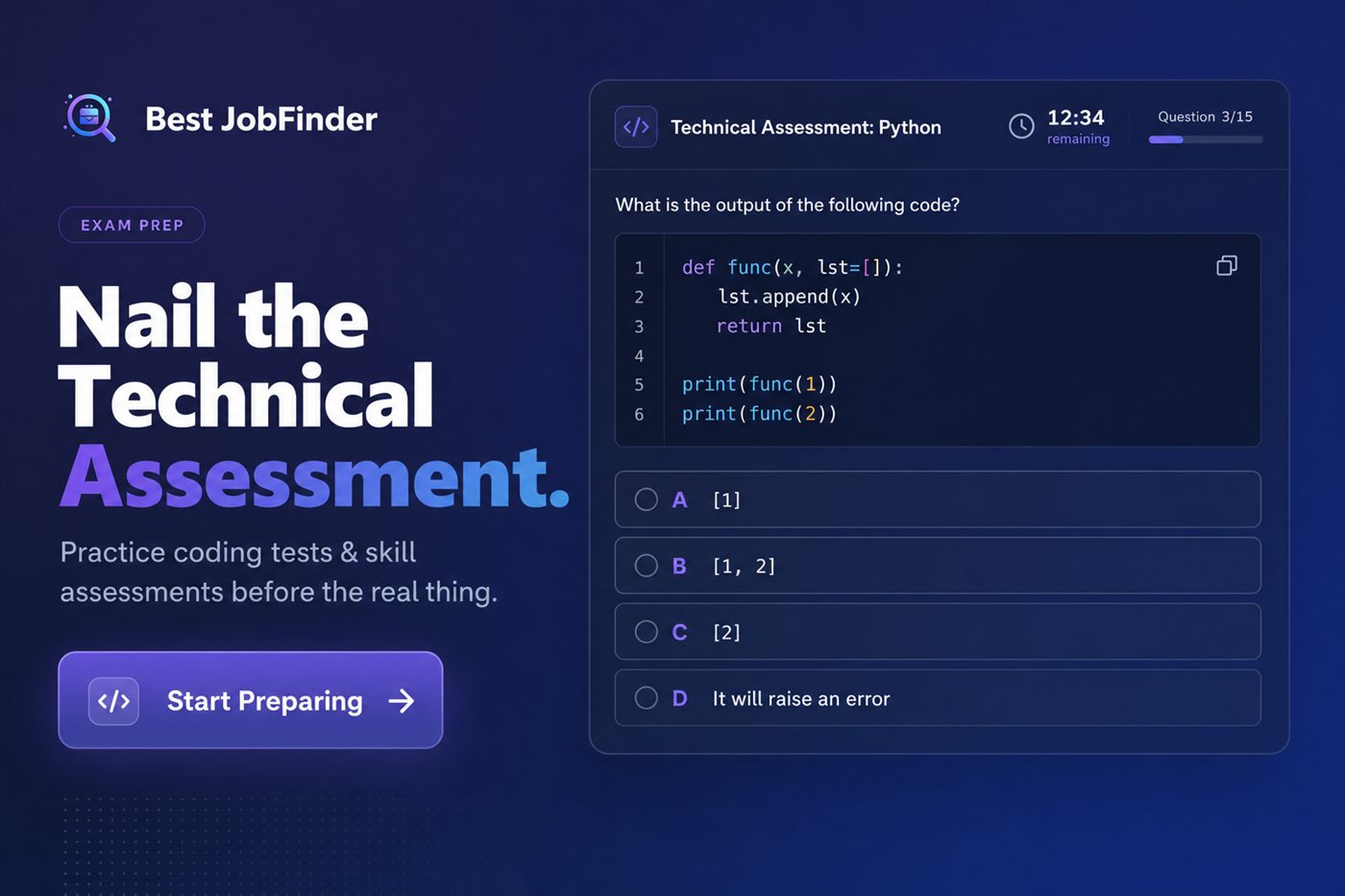
A coding problem solved with unlimited time and no pressure is a different exercise from the same problem under a countdown timer with a fixed number of questions and a graded, multiple-choice or exact-output format. Technical assessment practice needs to replicate that format specifically — timed, scored, with the same kind of question types a real assessment uses — rather than just being general coding practice with no clock running.
Why role-specific questions matter more than generic ones
A generic list of "top 50 interview questions" is a reasonable starting point but doesn't tell you what a specific company, for a specific role, is actually likely to ask. Mock interview questions generated for the exact job you're preparing for — using the same information a real screening call would draw on — get you practicing on material that's actually relevant to the interview in front of you.
Where this fits with the rest of a job search
Interview prep matters most once applications start converting to conversations — which is exactly why tracking which stage each application is at matters: knowing you have an interview coming up next week for a specific role is what tells you which mock questions to run today.
Frequently asked questions
What's the actual difference between practicing for a behavioral round versus a technical one?
A behavioral round tests how you communicate under scrutiny and whether your past actions actually support the claims on your resume — structure and specificity matter most. A technical assessment tests whether you can produce a correct, working answer under time pressure — accuracy and speed matter most. Preparing for one doesn't meaningfully prepare you for the other.
What is the STAR framework, and why does it get used so often for behavioral prep?
Situation, Task, Action, Result — a structure for answering 'tell me about a time when...' questions so the answer has a clear beginning, a specific action you took, and a measurable outcome, rather than a vague, meandering story. It's popular because interviewers are trained to listen for exactly that structure, so practicing within it directly targets what's being evaluated.
Does AI feedback on a mock interview answer actually help, or is it generic advice?
It helps when the feedback is specific to what you actually said — pointing out that an answer described a task but skipped the measurable result, for instance, rather than a blanket 'be more confident.' Feedback tied to the STAR structure and to the specific question asked is what makes a mock interview useful practice rather than just talking at a screen.
How does timed technical assessment practice differ from just doing coding problems?
The time pressure and the exam-like format are the point — many candidates who can solve a problem given unlimited time struggle with the same problem under a countdown timer with a multiple-choice or graded-output format. Practicing under those exact conditions, not just practicing the underlying skill, is what technical assessment prep specifically targets.
Ready to automate your job search?
Best JobFinder combines job discovery, AI skill matching, resume tailoring, and configurable auto-submit in one platform — with a 7-day free trial.
Try Best JobFinder free →