See the Full Picture Before You Apply: What an Enhanced Job Page Should Show
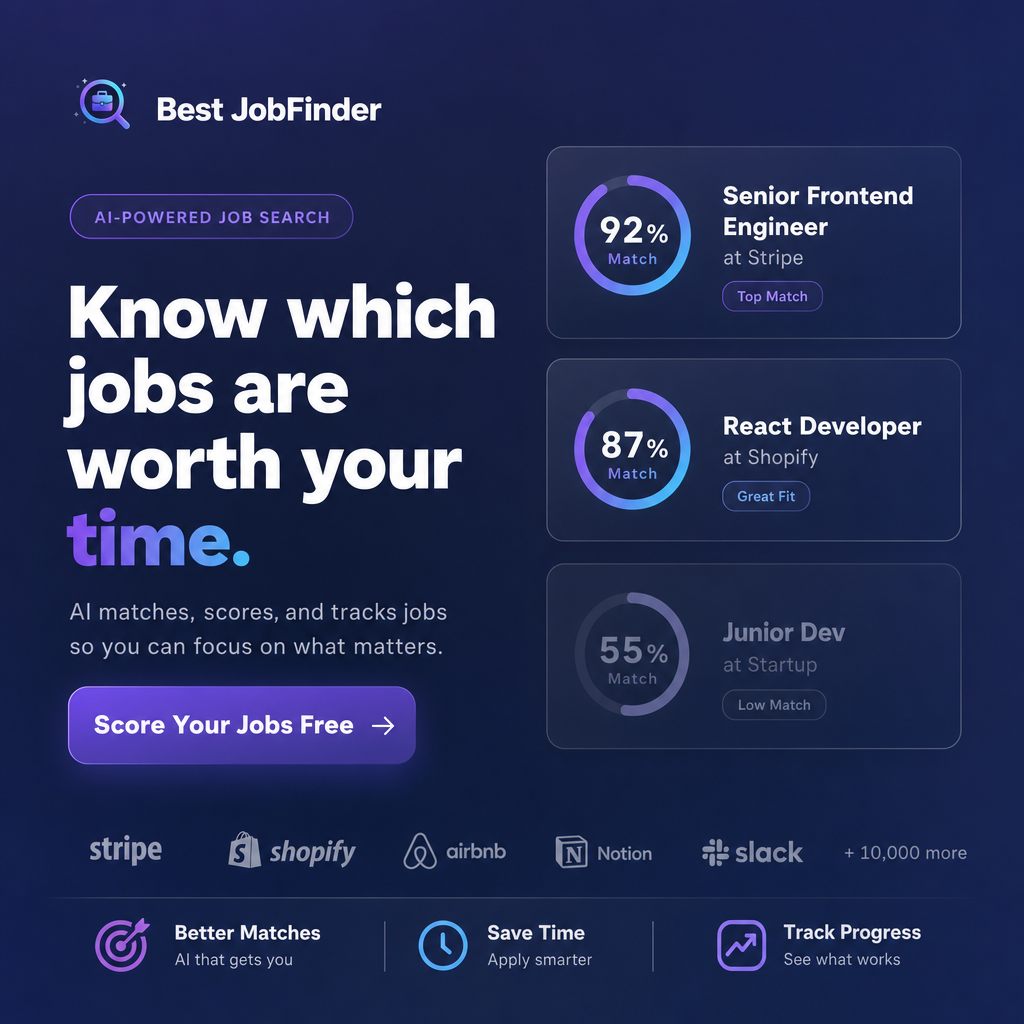
A standard job listing gives you a title, a company name, a wall of text describing responsibilities, and — often — no salary range at all. Deciding whether that's worth 25 minutes of your time means opening a second tab to check the company's rating, guessing at pay from whatever's public, and manually comparing the requirements against your own resume in your head. All of that is information that could sit on the job page itself.

Key takeaways
- A bare job listing forces you to research salary, company reputation, and skills fit separately — an enhanced job page puts all of it in one place.
- An estimated salary range, sourced from comparable postings, should always be labeled as an estimate rather than presented as confirmed.
- A per-job skills-match breakdown is more actionable than a single overall score — it tells you exactly which requirements you meet and which you don't.
- Experience level, education requirements and posting age are small details that meaningfully change whether a role is realistic to pursue.
- The point of extra information is deciding faster whether to apply, not making the page itself slower to read.
The layers that actually change a decision
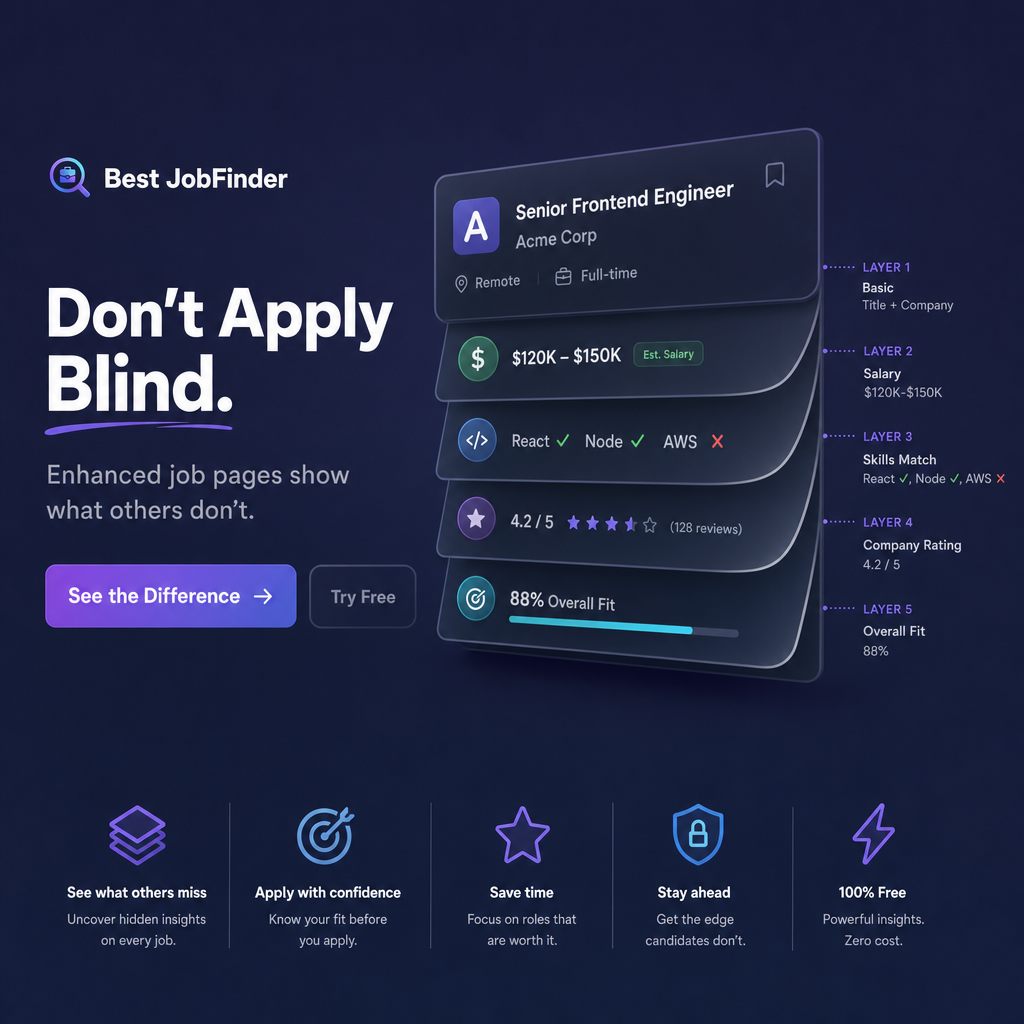
- Salary range. Even an estimate narrows the guesswork — you're not deciding blind on compensation before you've invested any time.
- Skills match breakdown. Not just a percentage — which specific skills matched and which didn't, so you know what a cover letter needs to address.
- Role details. Experience level, education requirements, and how recently the job was posted all affect whether pursuing it is realistic right now.
- Company signal. A rating or review count gives you context the posting itself will never volunteer.
Why the per-job breakdown matters more than the headline score
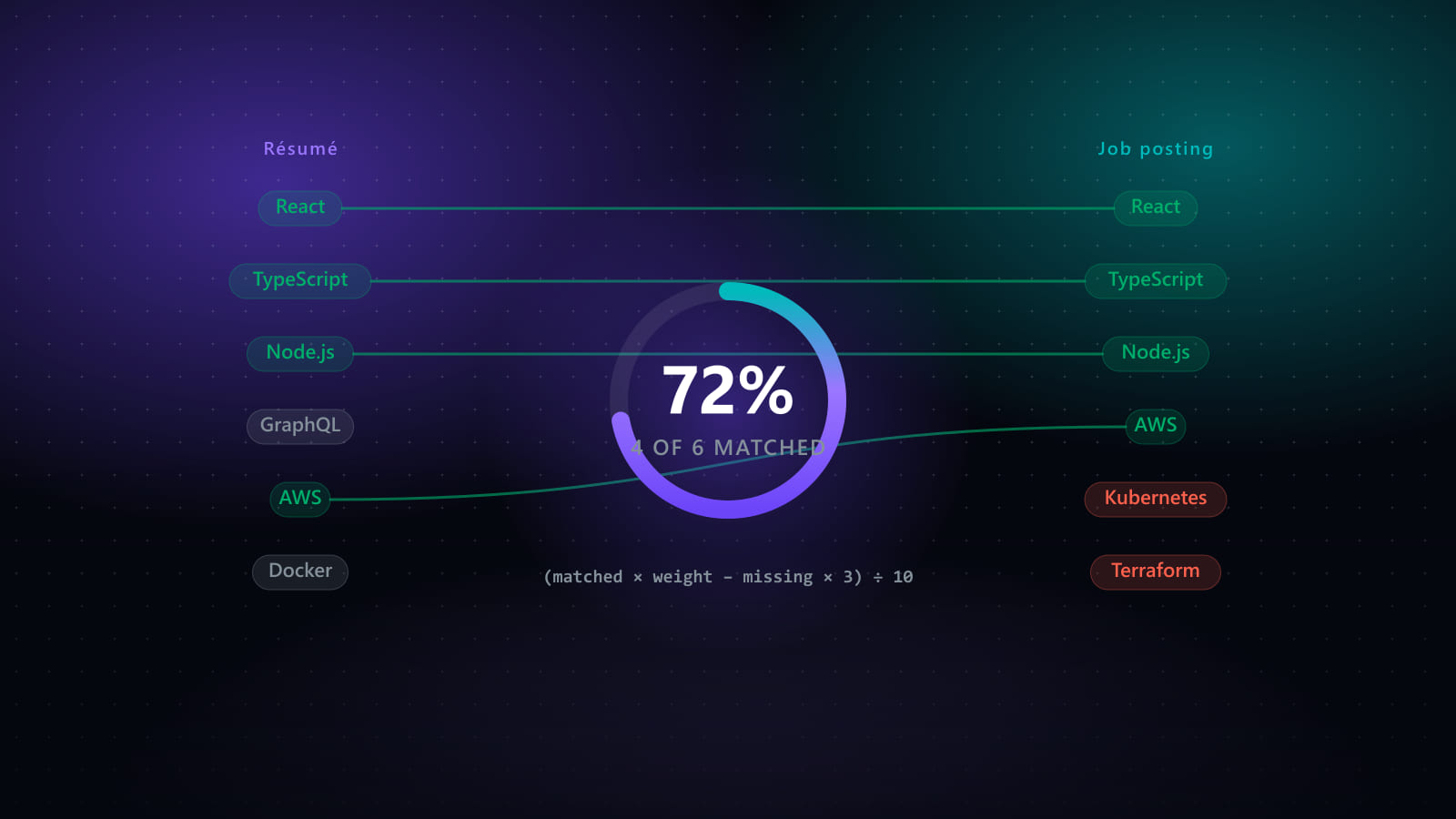
A single overall match number is good for triaging a long list quickly, but it doesn't tell you what to do about a middling score. A breakdown that names the specific skills you're missing turns "68% match" into an actual decision: is the gap something a cover letter can address, or is it a genuine mismatch? See how the underlying match score works for the mechanics behind the number itself.
Estimates need to be labeled as estimates
When a posting doesn't disclose a salary, an estimate drawn from comparable roles is genuinely useful — but only if it's clearly marked as an estimate, not presented with the same confidence as a number the employer actually published. Overstating certainty here does more harm than leaving the field blank.
Where this saves the most time
The compounding benefit shows up at volume: reviewing thirty job pages with this information already surfaced is meaningfully faster than reviewing thirty bare listings and opening extra tabs for each one. It's the same underlying decision — apply or skip — made with the information that decision actually depends on, visible up front.
Frequently asked questions
What's usually missing from a standard job listing?
Salary range is the most common gap — many postings omit it entirely, or list a range wide enough to be meaningless. Beyond pay, a bare listing rarely tells you how your specific skills line up against what's asked, or gives you any signal about the company beyond its name and logo.
Where does an estimated salary range come from if the posting doesn't list one?
From comparable postings for the same title, level and location where a range was disclosed, presented clearly as an estimate rather than a confirmed figure. It's meant to give you a reasonable expectation going in, not a guarantee of what an offer will actually be.
Is a skills-match breakdown on the job page the same as the overall match score?
They're related but serve different purposes — the overall score is one number for quick triage across many jobs, while the per-job breakdown on the detail page shows exactly which specific skills matched and which didn't, so you know what to address in a cover letter or what to expect in a screening call.
Does more information on a job page slow down deciding whether to apply?
It should speed it up, not slow it down — the goal is answering 'is this worth 25 minutes' faster than reading the raw posting and searching for the company separately would. If a layer of information takes longer to parse than it saves, it's not doing its job.
Ready to automate your job search?
Best JobFinder combines job discovery, AI skill matching, resume tailoring, and configurable auto-submit in one platform — with a 7-day free trial.
Try Best JobFinder free →