The Math on Resume Tailoring: Fewer Applications, More Callbacks
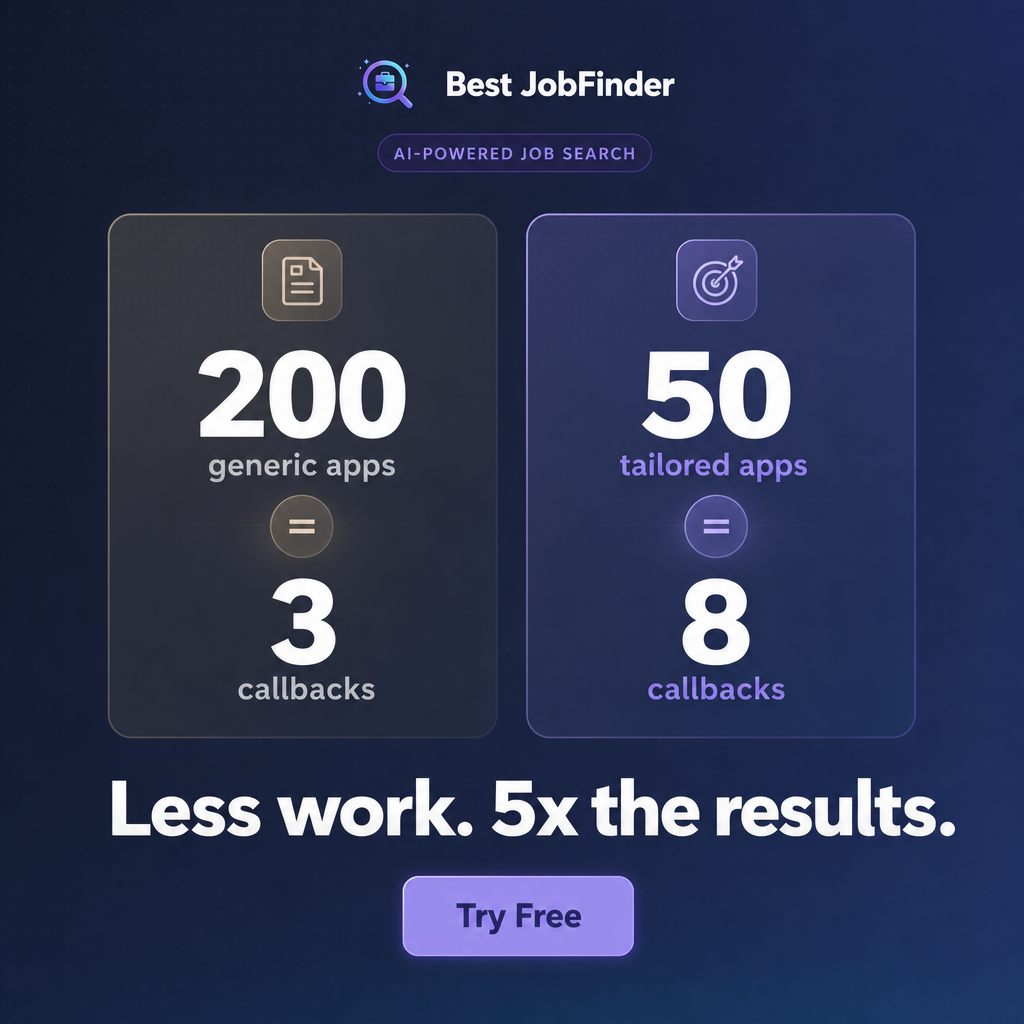
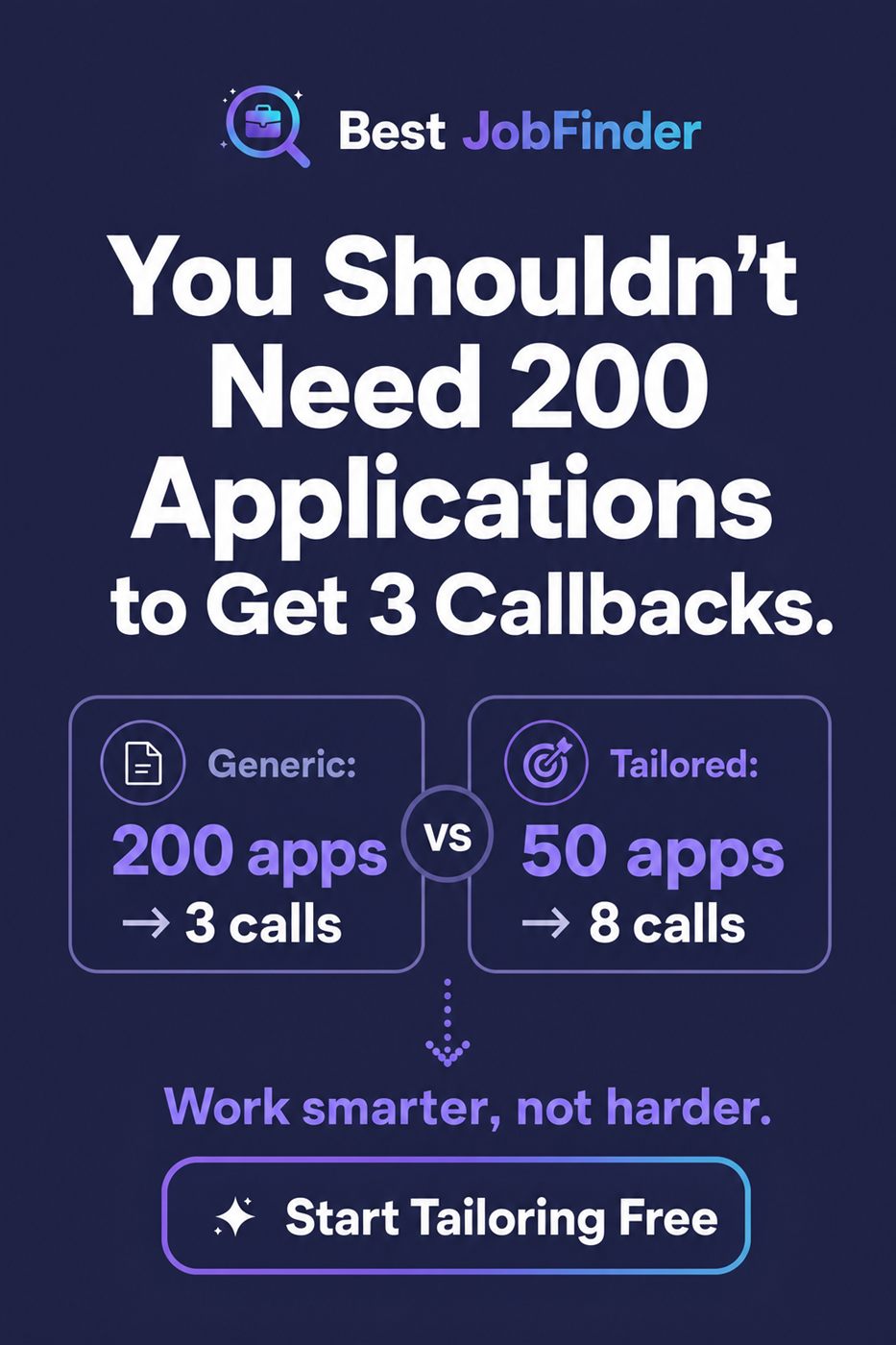
Send the same resume to two hundred different job postings and you're testing one thing: whether your baseline experience is compelling enough to survive zero customization. Send fifty resumes, each rewritten to speak directly to its specific posting, and you're testing something else entirely — whether a hiring manager reading your application can immediately see the fit. The second approach consistently produces more callbacks per application sent, even though it produces fewer applications overall.
Key takeaways
- Volume and tailoring solve different problems — volume increases exposure, tailoring increases the odds any single application converts.
- Tailoring means reordering, re-emphasizing and aligning vocabulary with a specific posting, not inserting skills you don't actually have.
- What must never change during tailoring: job titles, employment dates, employers, and any quantified result.
- Fewer, better-targeted applications tend to outperform more, generic ones when your time to apply is the limiting factor.
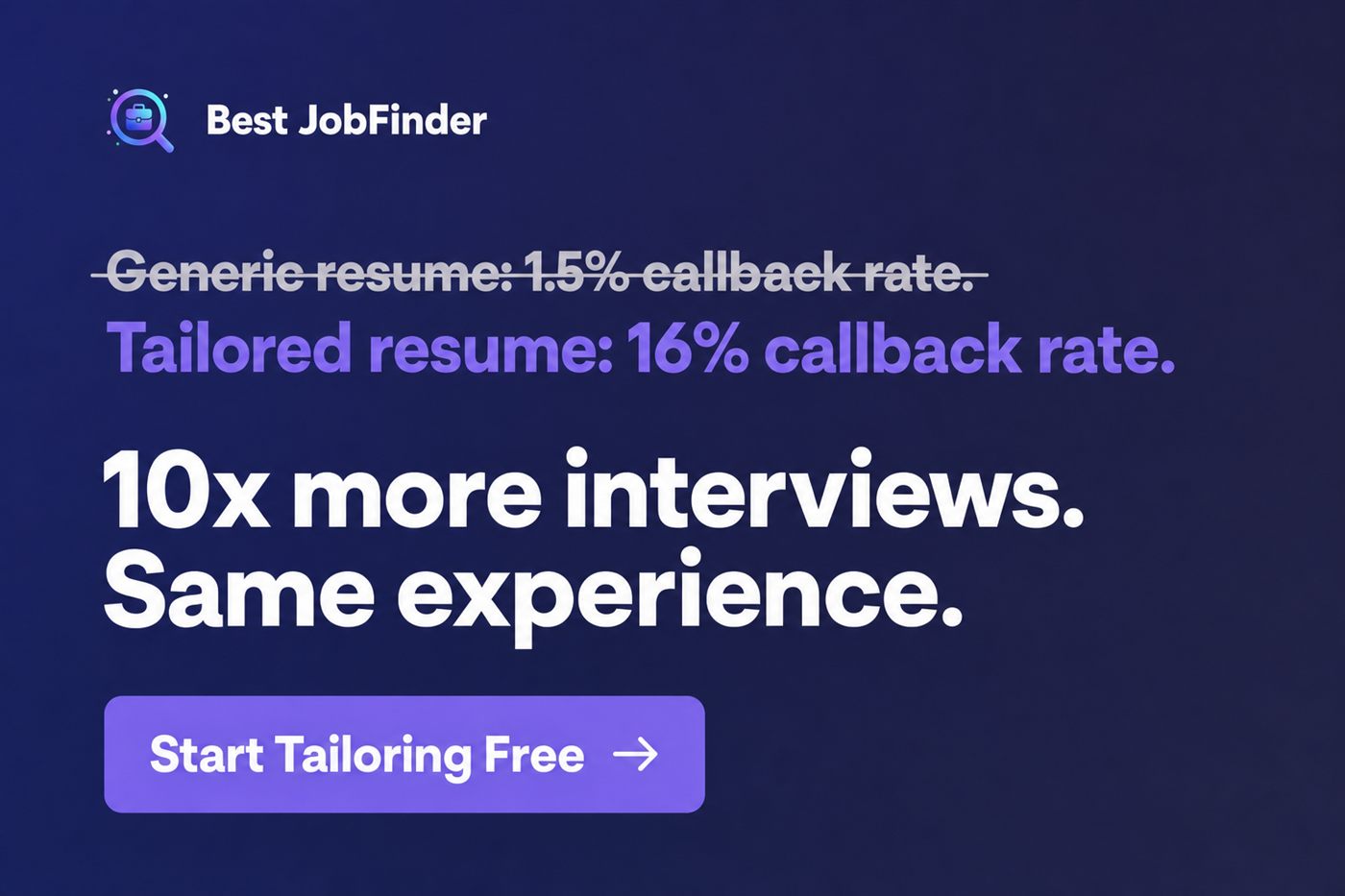
- Any specific callback multiplier — including ours — is illustrative of a widely observed direction, not a guarantee for a specific search.
Why generic resumes underperform, specifically
A resume with no changes across applications reads as competent in general and relevant to nothing in particular. A hiring manager or an ATS screening for a specific combination of skills has to do the work of translating your general experience into "does this match" — and both humans and automated screens tend to reward candidates who did that translation themselves.
What tailoring actually rewrites
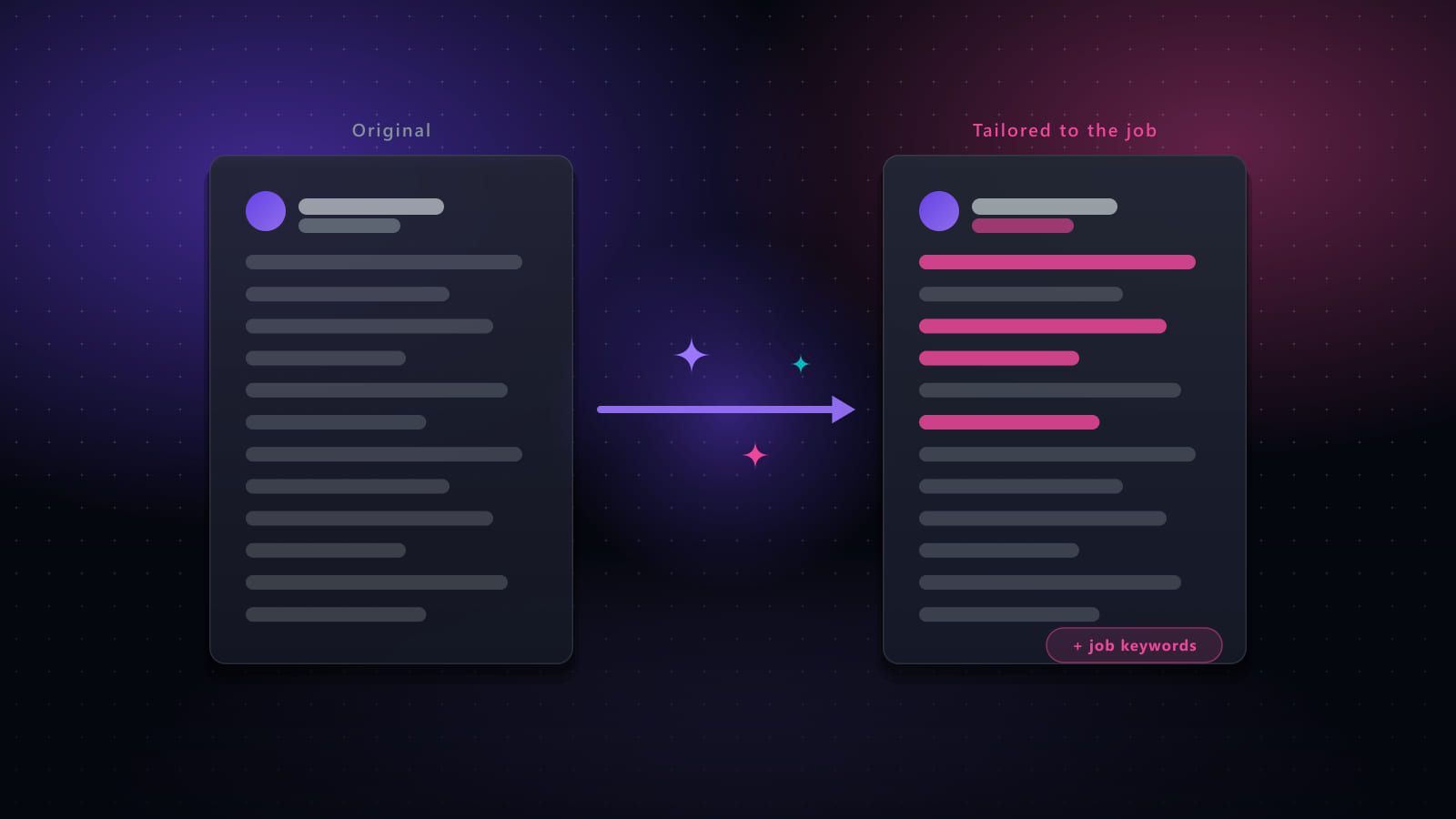
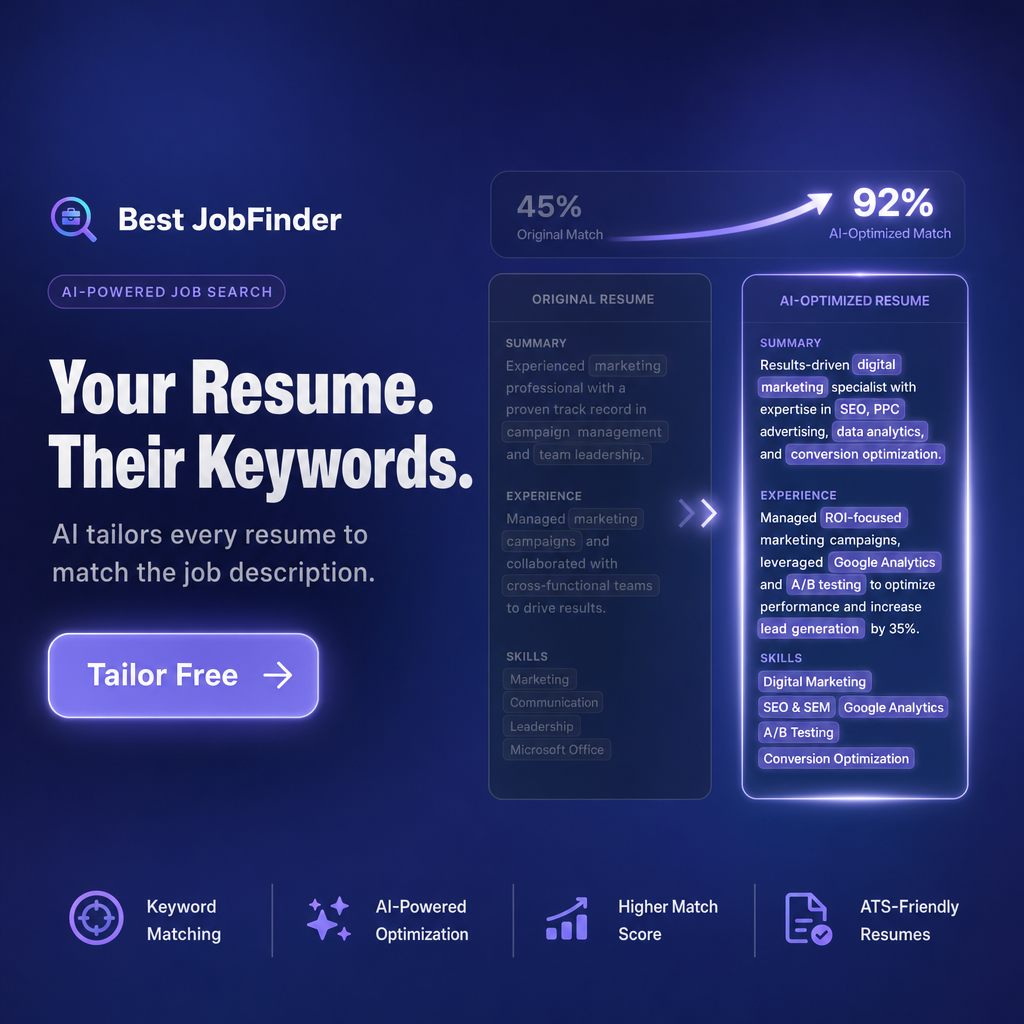
Four things, in order of impact: reordering so the most relevant bullets sit at the top of page one, rewriting the summary line to name the target role and your strongest matching qualifications, aligning vocabulary with the posting's own terms where they genuinely describe the same work, and cutting content that doesn't serve this particular application. None of it invents experience — it selects and reframes from what's already true.
Where AI genuinely speeds this up
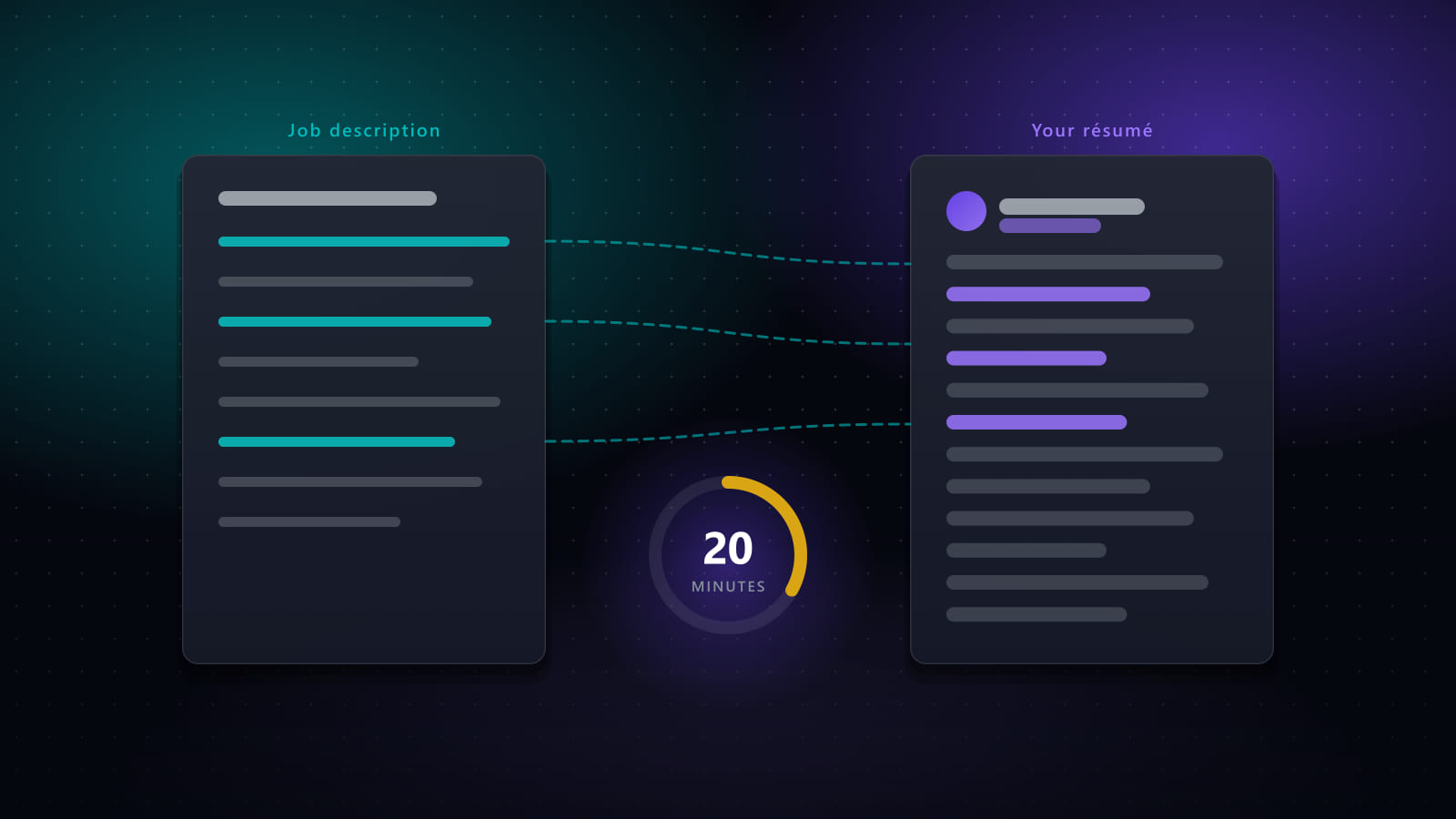
Extracting the handful of requirements a posting actually cares about, and producing a reordered, re-emphasized draft from your existing master resume, are both mechanical enough to automate well. Deciding which of your accomplishments best answers a specific requirement — and noticing when a role isn't worth applying to at all — is judgment worth keeping manual, or at minimum reviewing closely once AI has done the first pass.
Verifying before you send
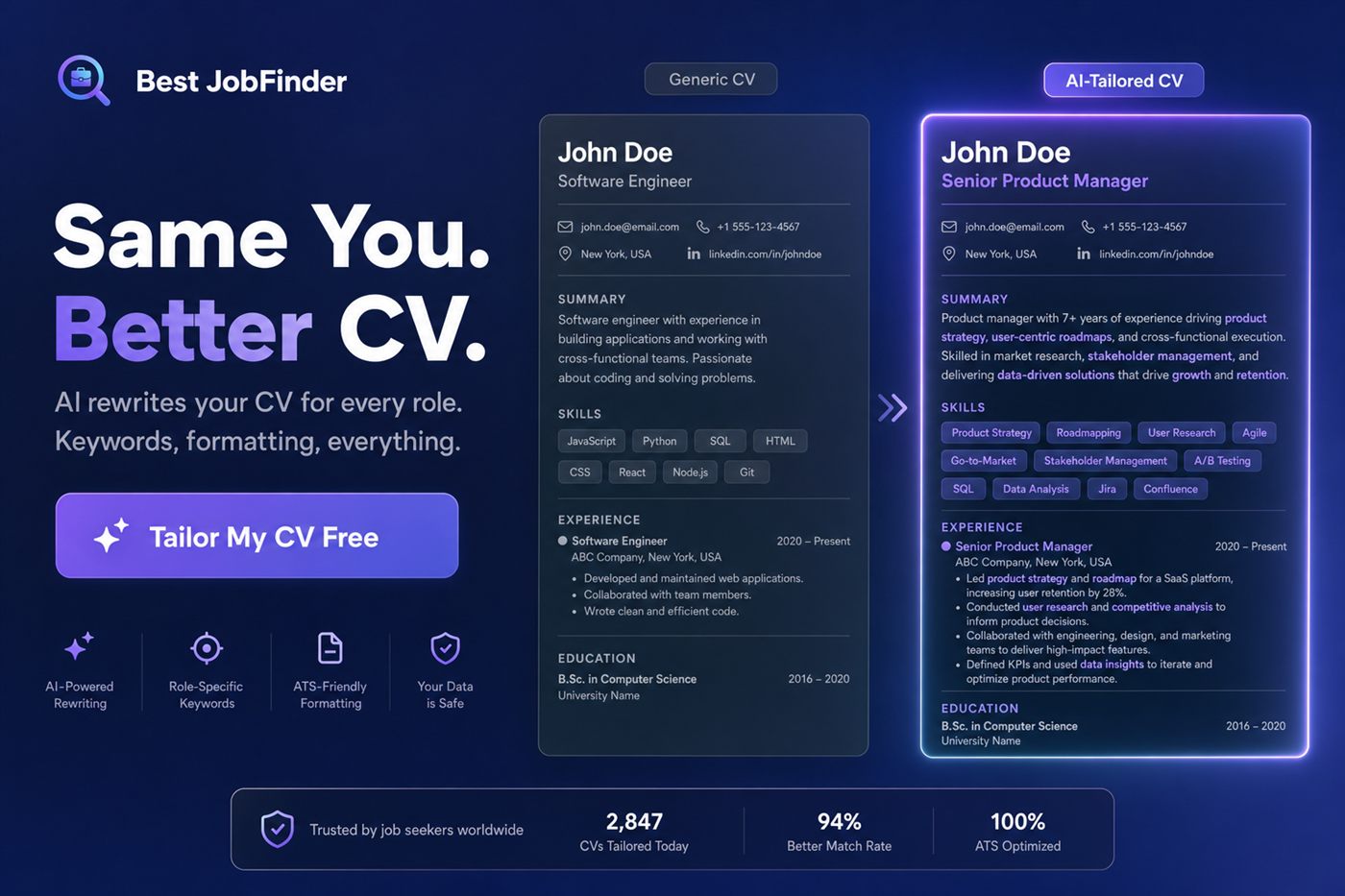
Any AI-assisted tailoring pass should end with a quick check: titles, employers and dates still match your master resume, every number is still real, and the top third of page one actually argues for this specific role. See how to tailor a resume for a job in twenty minutes for the full step-by-step version of this process, AI-assisted or entirely manual.
Frequently asked questions
Is a specific callback-rate multiplier from tailoring a guaranteed number?
No — callback rates vary by field, seniority, market conditions and how strong a candidate's underlying experience is to begin with. What's consistently true across the job-search advice from recruiters and career coaches is the direction: a resume rewritten to match a specific posting outperforms a generic one sent everywhere. Treat any specific multiplier, ours included, as illustrative of that pattern rather than a number you should expect to hit exactly.
What does 'tailored' actually mean, beyond adding keywords?
Reordering, emphasis, and vocabulary alignment — not just insertion. The bullets most relevant to this specific posting move toward the top, the summary line names the role and your strongest matching qualifications, and terminology aligns with the posting's own wording where it genuinely describes the same work you did. Inserting a skill you don't actually have, just because the posting mentions it, is the failure mode this is not describing.
Does AI tailoring risk changing facts on my resume?
It shouldn't, and a well-built tailoring pass is explicit about what it's allowed to touch: order, emphasis, and phrasing, never titles, dates, employers, or quantified results. Our AI CV tailoring guide covers exactly what should and shouldn't change in an automated pass, and why verifying the output against your own master version still matters.
Is applying to fewer, more tailored jobs always better than applying broadly?
Not universally — early in a search, or in a field with genuinely few openings, broader volume can still make sense to build a pipeline. The tradeoff tailoring addresses is time, not opportunity: if you have limited hours to spend on applications, spending them on fewer, better-targeted ones tends to outperform spreading the same hours thin across everything you can find.
Ready to automate your job search?
Best JobFinder combines job discovery, AI skill matching, resume tailoring, and configurable auto-submit in one platform — with a 7-day free trial.
Try Best JobFinder free →