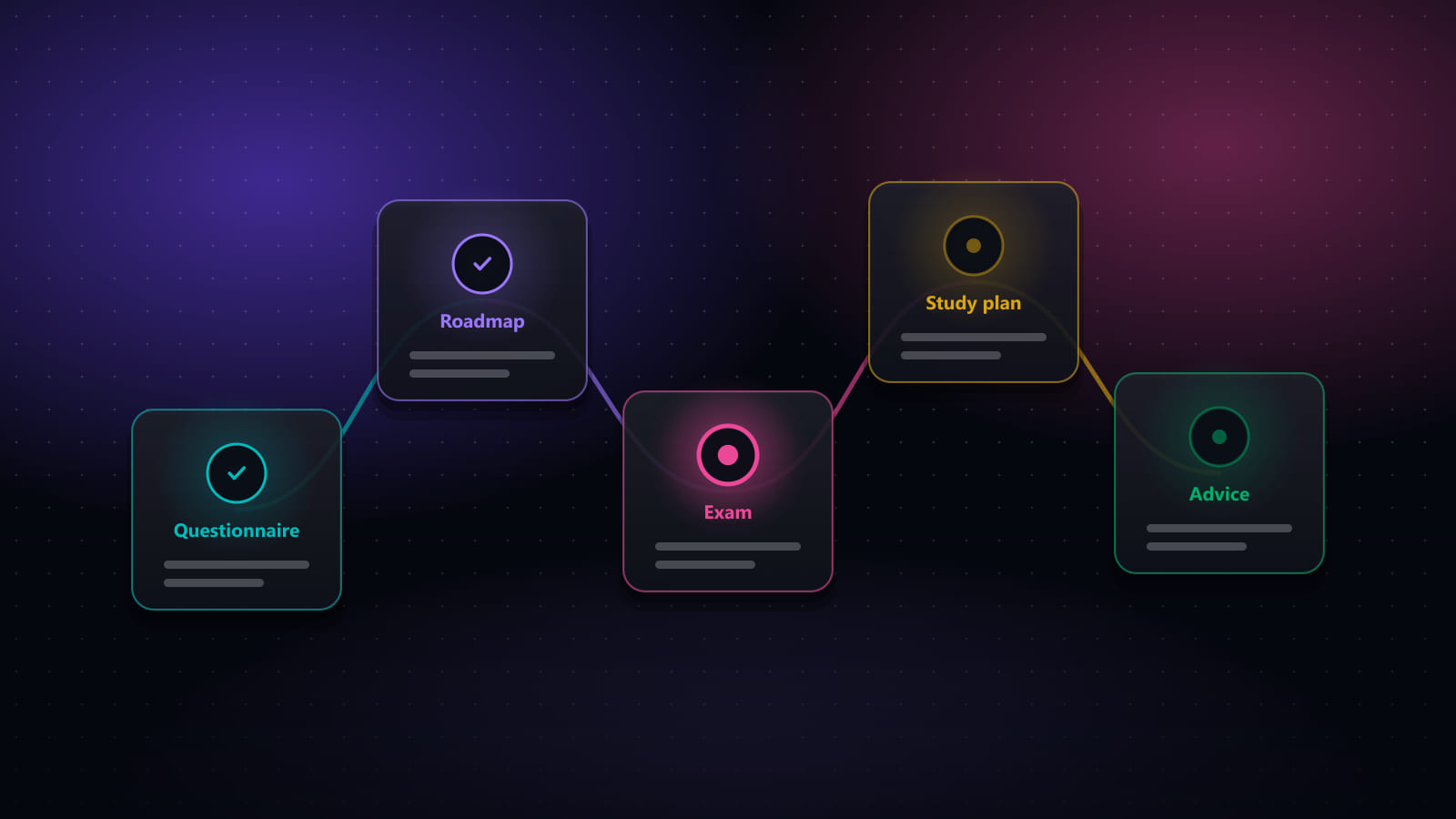
How to Get the Most Out of the Career Coach Module
Most job seekers prepare for a search the same way they prepare for a single interview: reactively, a few days before it matters. The Career Coach module in Best JobFinder exists to flip that — a structured, ongoing coaching loop that builds your roadmap, tests your readiness, and tells you exactly what to work on next.
Here's how to actually get value out of it, step by step.
Step 1: The Questionnaire
Career Coach starts with a short questionnaire — your target role, your current skills (pulled straight from your existing My Skills list, so there's nothing to re-enter), years of experience, location, salary expectations, and your workplace/job-type preferences (remote, hybrid, full-time, contract, and so on).
This isn't a form you fill in once and forget. It's the input every later step reads from, so the more accurate it is, the more specific everything downstream becomes.
Step 2: Your Learning Roadmap
From your profile, Career Coach generates a staged roadmap — a sequence of milestones between where you are and your target role. Think of it as a living plan rather than a one-time PDF: you can give it follow-up instructions ("focus more on system design," "I already know Kubernetes, drop that stage") and regenerate it as your priorities shift.
Step 3: The Professional Skills Exam
This is where Career Coach stops being advice and starts being a measurement. Built directly from your roadmap, the exam mixes multiple-choice questions (auto-scored instantly) with open-ended questions that are AI-graded against a model answer — the same way a hiring manager would judge a real response, not just keyword matching.
After your first attempt, Career Coach generates a report covering your score, a breakdown of your strongest and weakest topics, and — for the open-ended questions specifically — concrete suggestions for how to answer better next time.
Step 4: Interview Readiness, Not Just Trivia
A separate Interview Questions set targets something exams alone don't measure: how well you can talk about your own background. These are open-ended by design — questions that probe how you'd explain your experience, market your strengths, and hold up under the kind of pressure-testing HR questions that trip up otherwise strong candidates. Where relevant to your target role, it also weighs how ready you look for people-management and stakeholder conversations.
Just like the skills exam, a completed interview attempt generates its own report — your score, your best answers, and where an open answer needs sharper structure before your next real interview.
Step 5: A Study Plan That Targets Your Actual Weak Spots
Rather than a generic "study everything" list, the study plan is built from your exam results — a week-by-week plan that weights time toward the topics you actually scored lowest on. Each week has concrete activities you can check off as you go, so progress is visible instead of theoretical.
Step 6: Learn the Language of the Role
Every industry and role has its own jargon, and not knowing it is one of the fastest ways to read as an outsider in an interview. The Terminology tab generates an ordered glossary of the most common terms for your target role and market, so you can work through them systematically and mark each one as learned.
Step 7: Personalized Advice
Finally, the Advice tab pulls everything together — your profile, your CV, and your exam/interview history — into a set of concrete, personalized recommendations for what to do next, rather than generic career-blog platitudes.
Job-Based Preparation Exams
Career Coach's exams aren't generic trivia quizzes — they're built from your target role and market, which means they function as job-based preparation exams: the closest thing to a practice run for the actual screening you're likely to face, covering both the technical bar for the role and the softer, HR-facing side most candidates never formally practice at all.
The Single Habit That Makes This Work
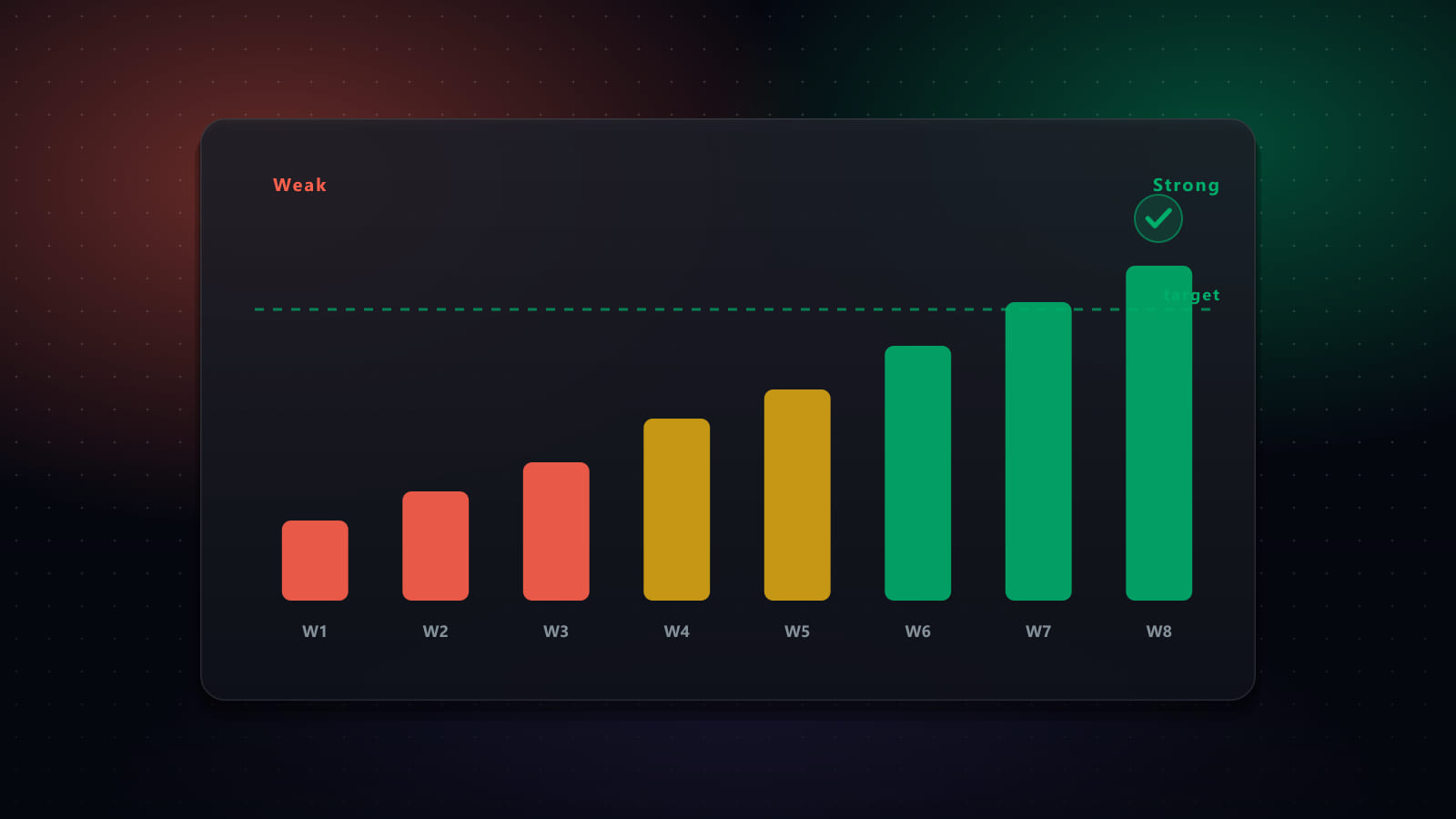
Everything you do in Career Coach — the questionnaire, the roadmap, the exam questions and your answers, the study plan and its progress, the terminology you've marked learned — is saved and reloaded automatically. You can leave mid-exam and resume exactly where you stopped. That persistence is what makes it worth treating as a recurring habit rather than a one-off exercise: check in weekly, retake the exam after a study cycle, and watch the report track your improvement over time.
Related: How to build a career roadmap that actually gets you promoted → · Interview prep: technical rounds vs. HR rounds → · Closing your skill gaps →
Ready to automate your job search?
Best JobFinder combines job discovery, AI skill matching, resume tailoring, and configurable auto-submit in one platform — with a 7-day free trial.
Try Best JobFinder free →Related Articles
 Career Coaching
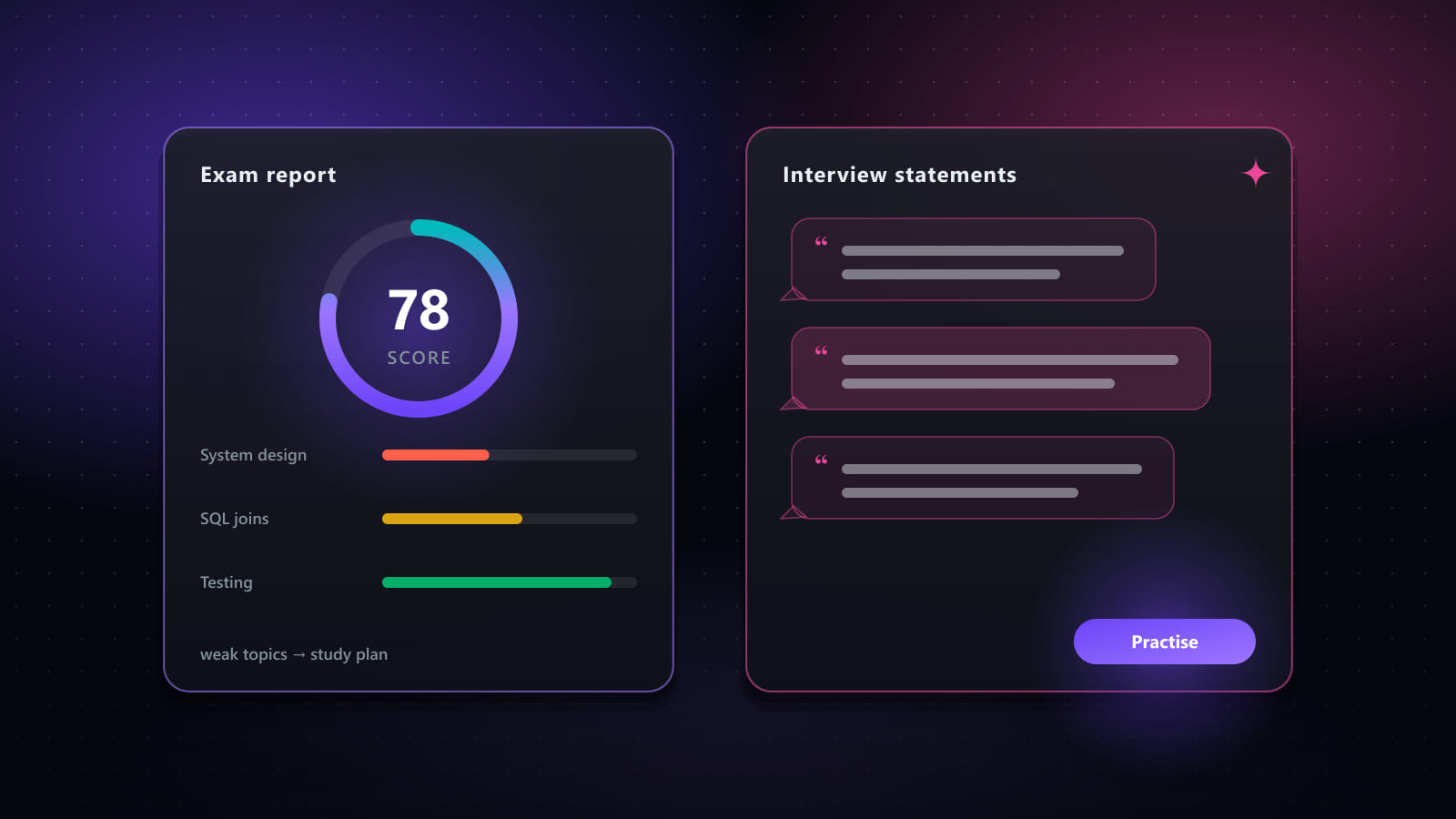
How Career Coach Grades You: AI Exams, Interview Statements, and a Report That Tells You What to Fix
10 min read
 Career Development
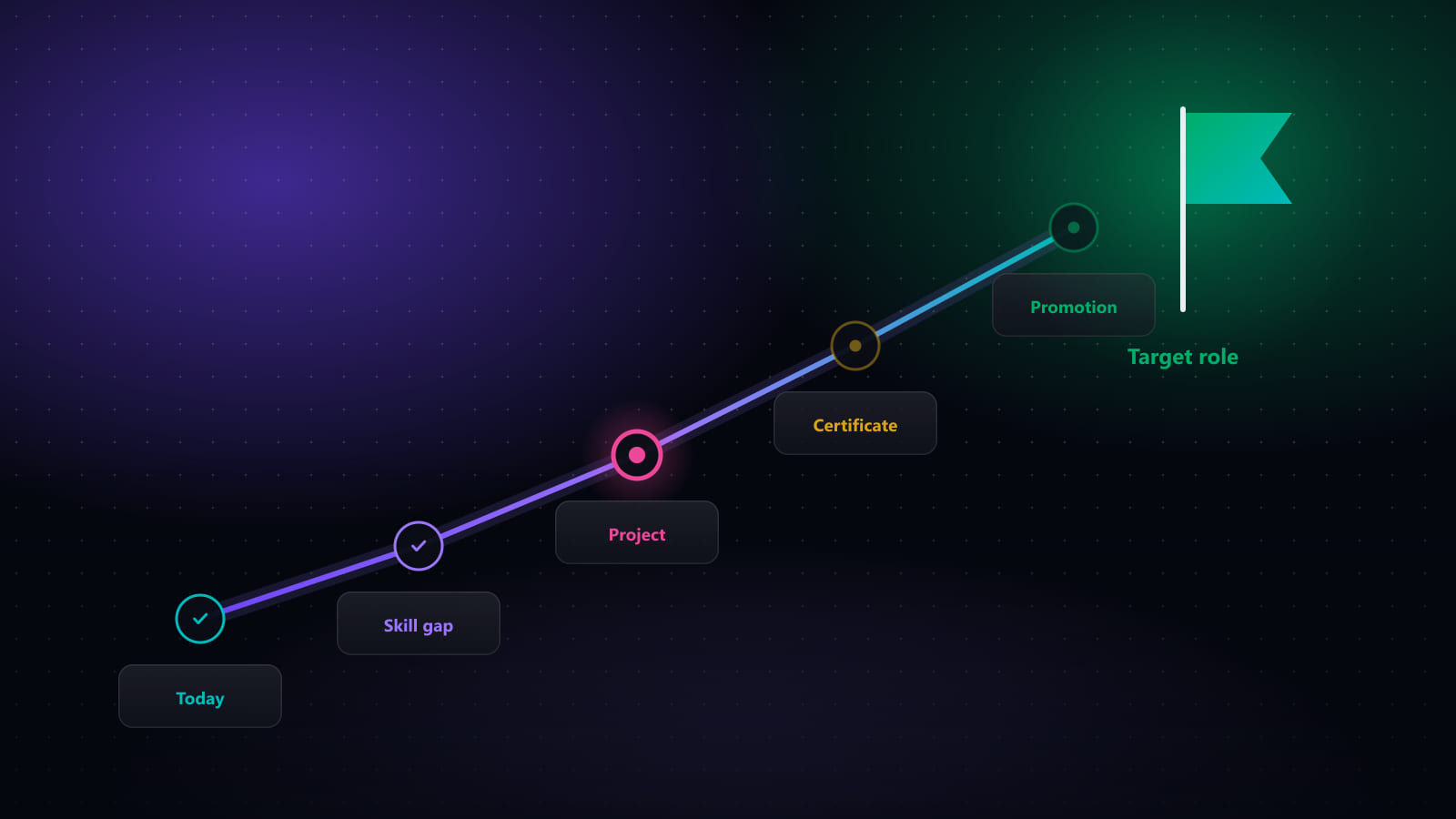
How to Build a Career Roadmap That Actually Gets You Promoted
7 min read
 Interview Prep
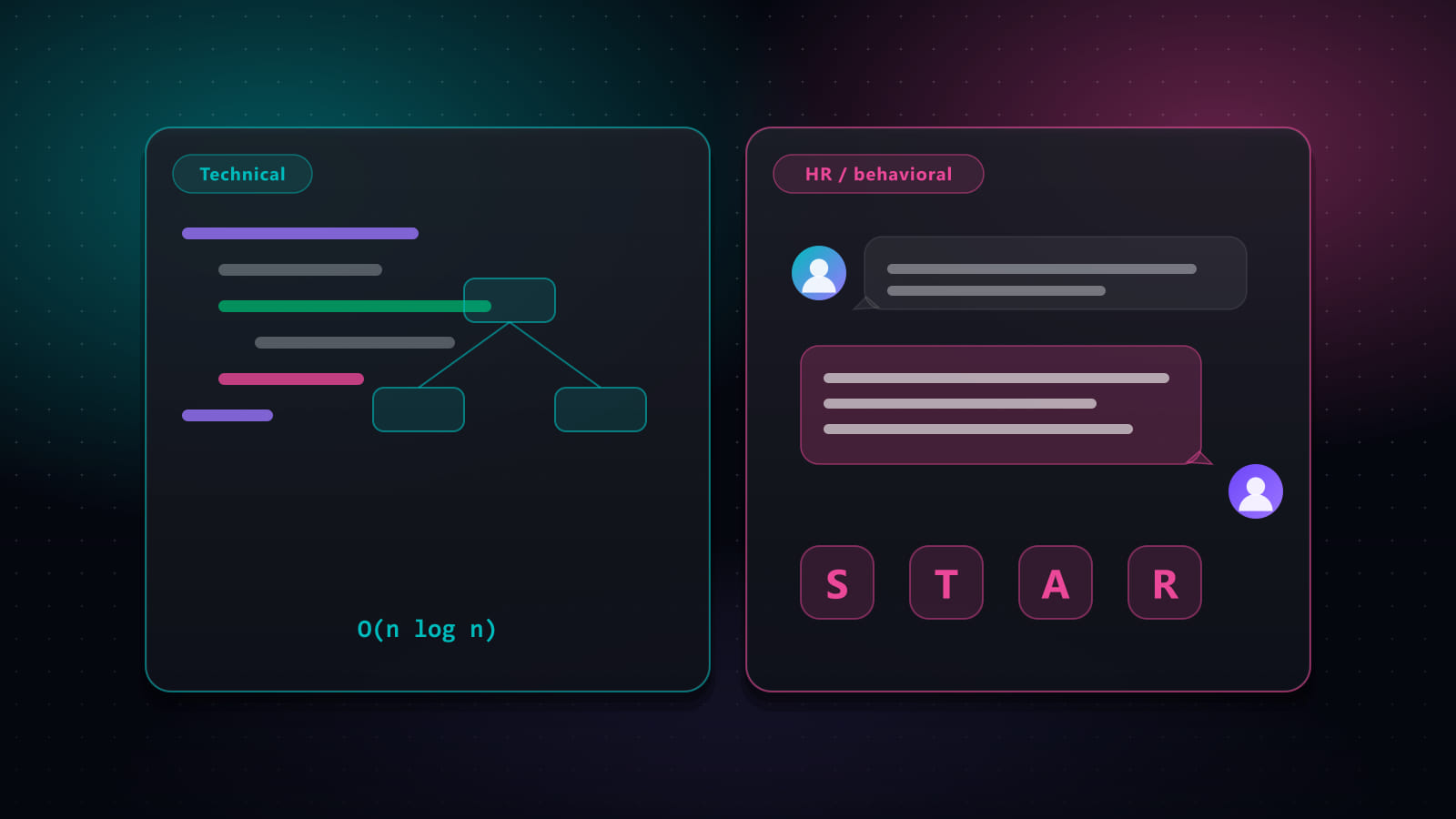
: Technical Rounds vs. HR Rounds — How to Practice Both
8 min read
 Skill Development
Closing Your Skill Gaps: A Practical Guide to Leveling Up Before Your Next Job Search
7 min read