Beat the ATS Wall: Turning Silent Rejections Into Interview Invitations
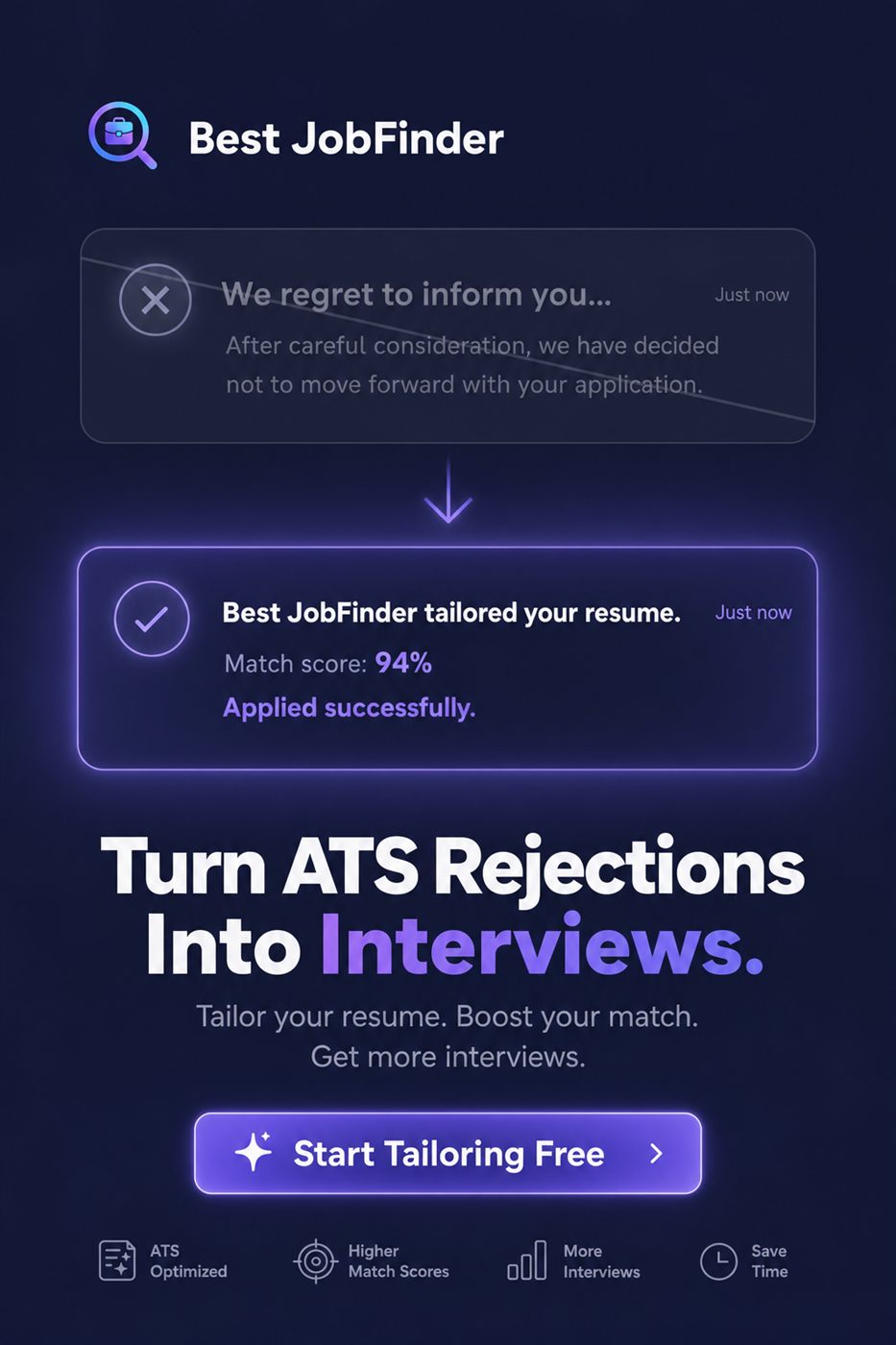
"We regret to inform you..." with no interview, no phone screen, and sometimes no indication the application was ever opened by a person — that's the pattern behind a large share of job search rejections. It's often not a judgment about your qualifications at all. It's a parsing or keyword-matching step deciding, before any human involvement, that your resume doesn't clear a threshold the posting's language set.
Key takeaways
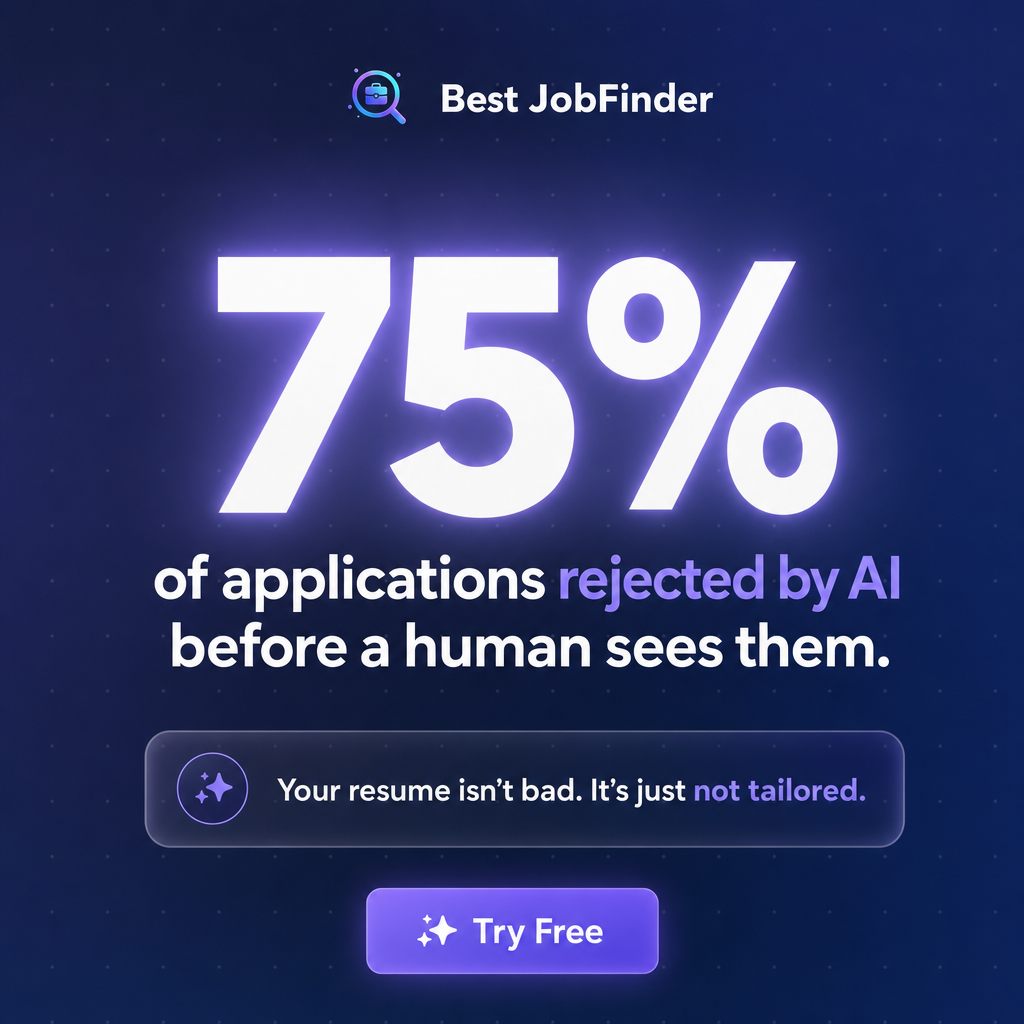
- A large share of applications are filtered before reaching a human — the exact figure varies by employer and source, but the pattern is well documented.
- Most ATS rejections come from formatting or wording mismatches, not an actual lack of qualification.
- Aligning vocabulary with a posting's own terms only helps when it's genuinely true of your experience — placed inside real accomplishments, not a keyword list.
- Clearing the ATS gets you in front of a human; it doesn't replace the fit and presentation that decide what happens after that.
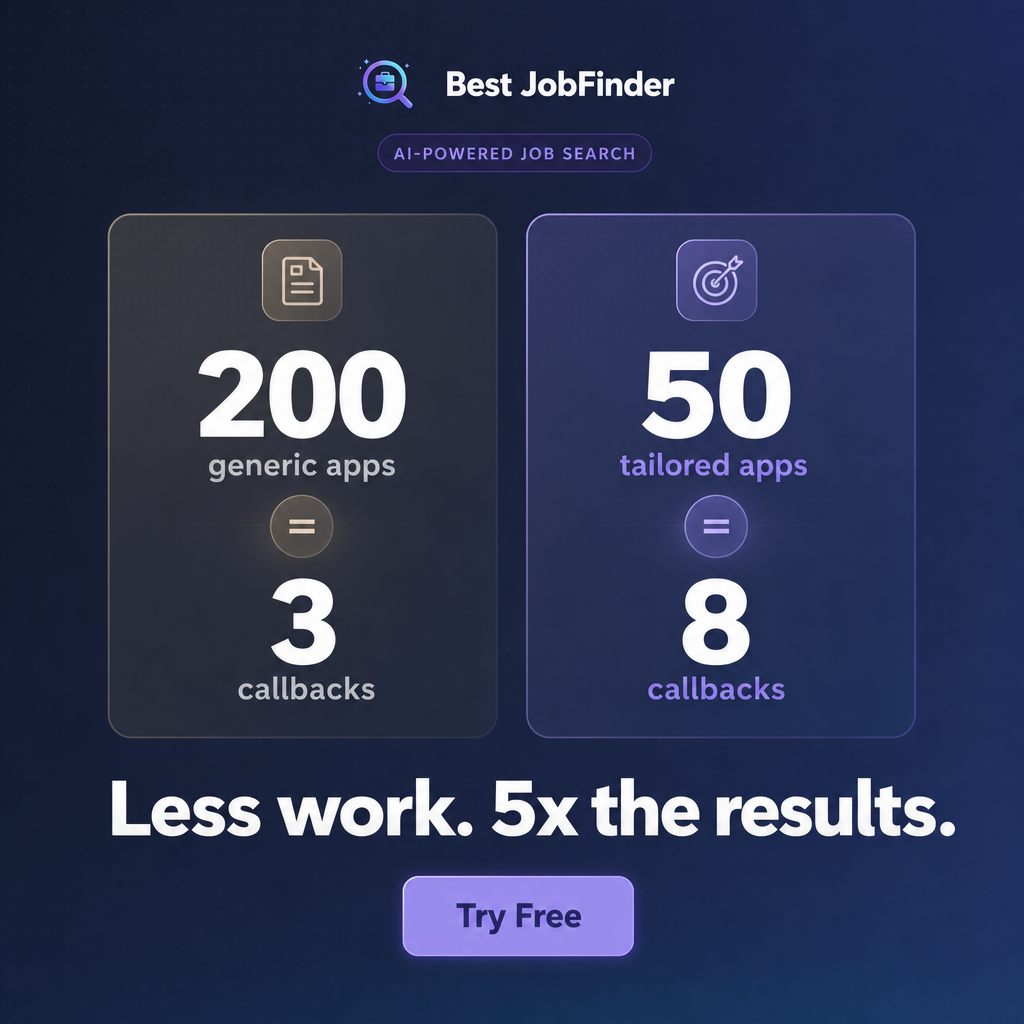
- Tailoring a resume per posting is the single change most consistently linked to clearing this initial filter.
What the ATS is actually checking
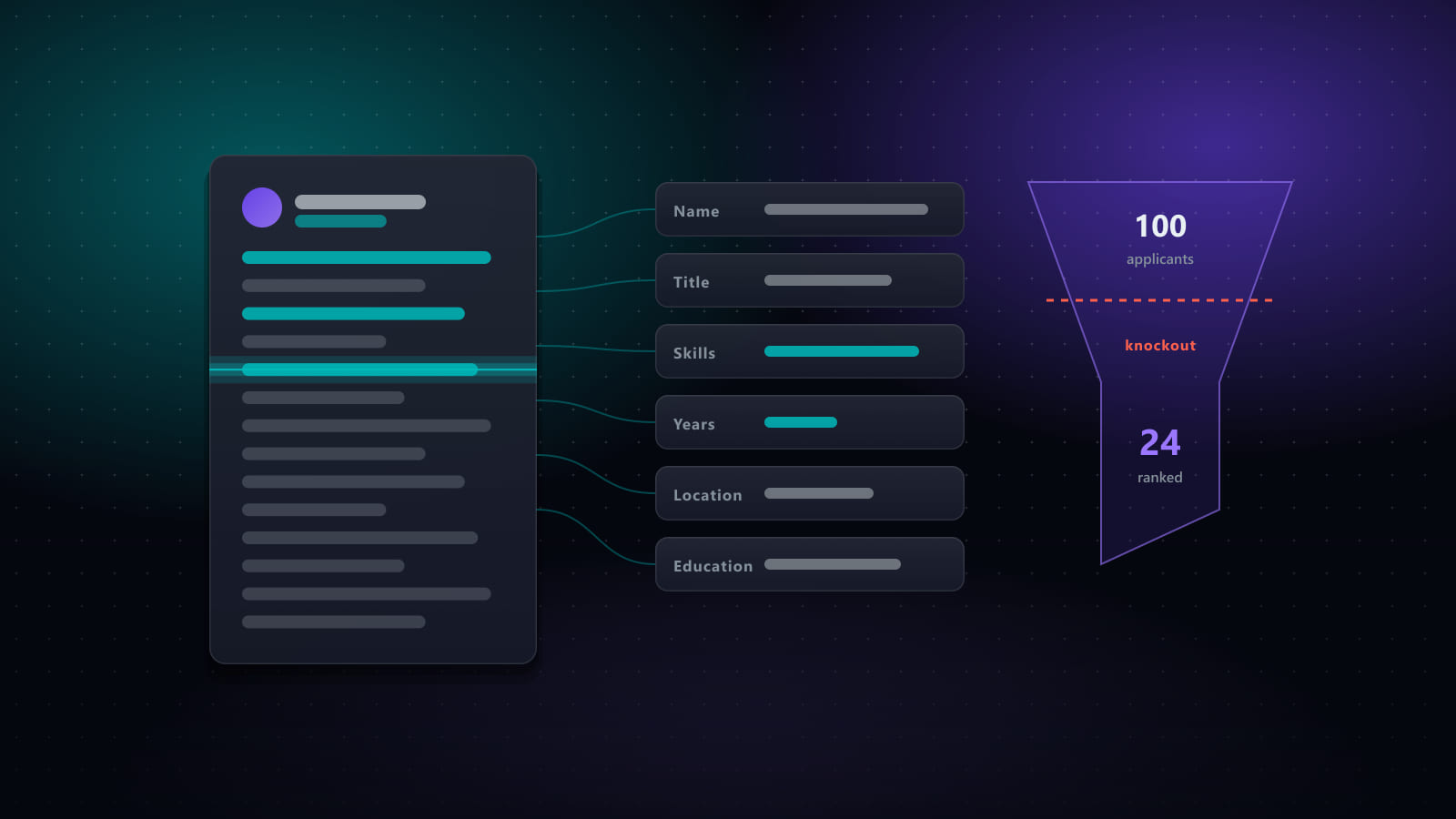
Modern applicant tracking systems generally do three things before a human ever opens an application: parse the resume into structured fields (name, dates, titles, skills), check it against required or preferred keywords from the posting, and apply any knockout questions the employer configured (a hard requirement like work authorization or a minimum years-of-experience threshold). A resume can fail any one of these three steps for reasons that have nothing to do with whether you can do the job.
The rewrite that actually moves a resume across the wall
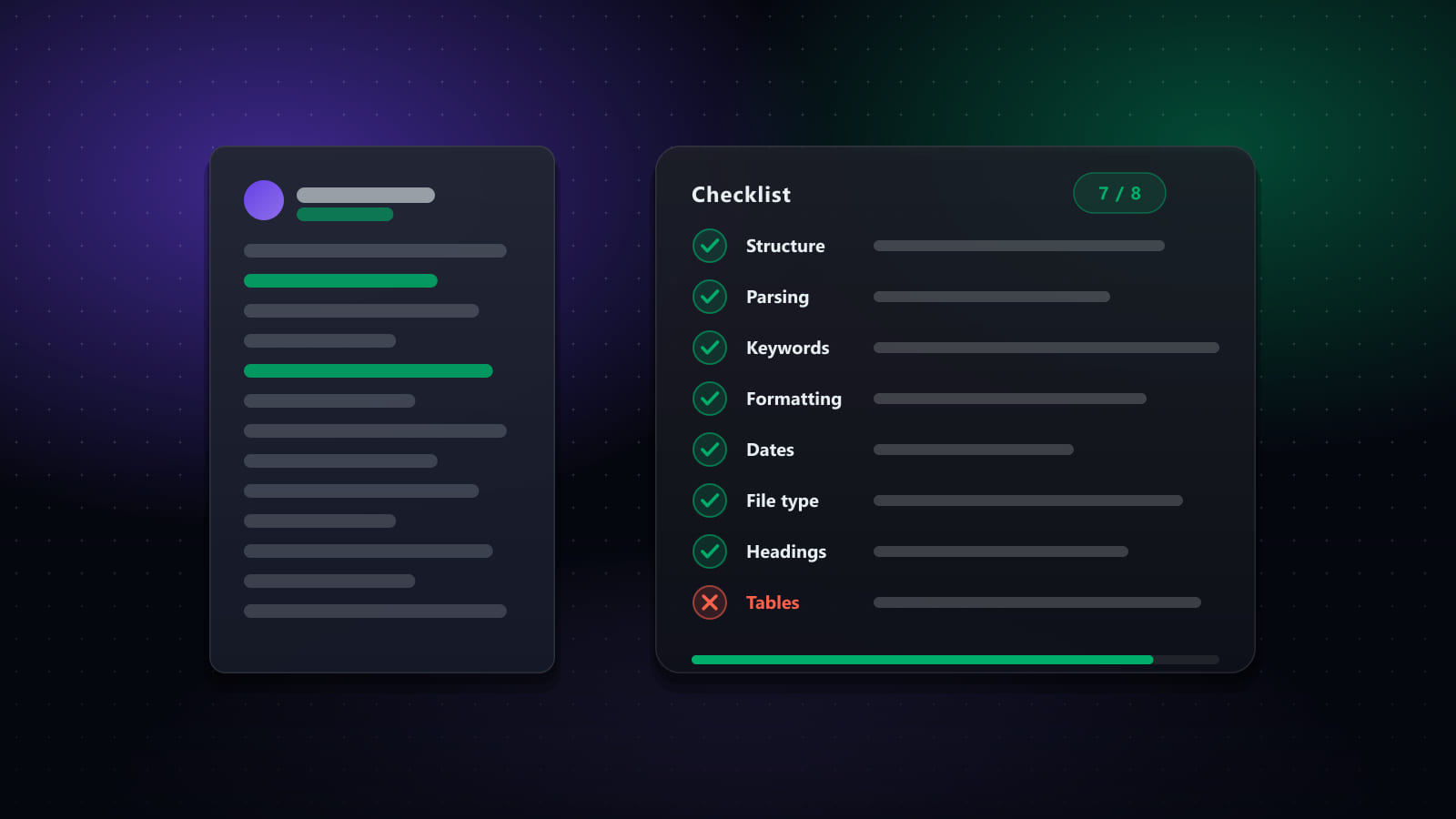
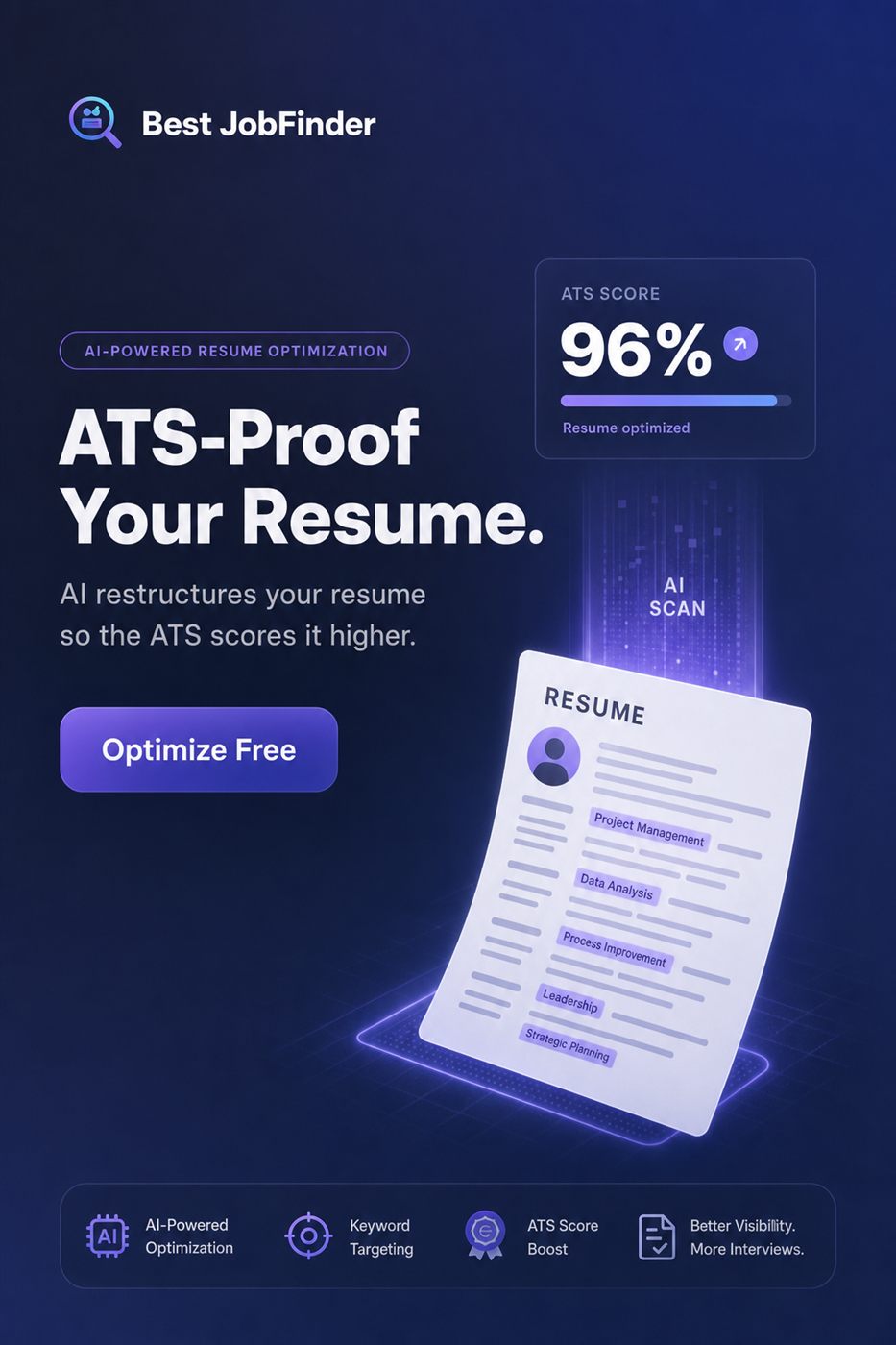
Structure that parses cleanly, keywords that genuinely match your real experience placed inside actual accomplishments rather than a bare list, and answers to any knockout questions that are accurate and don't trip an unintended filter — that combination is what changes a rejection into a review. See our ATS resume optimization checklist for the full pass, and how ATS screening actually works for the mechanics behind why formatting choices matter as much as they do.
What "ATS-proof" actually means
It doesn't mean gaming a system with tricks — it means removing the accidental failure points: a resume format the parser can misread, a real skill described in words the posting doesn't use, or a knockout question answered ambiguously when a precise answer exists. None of that is deception; all of it is making sure your actual qualifications are legible to the system checking for them.
What actually shows up once the wall is cleared
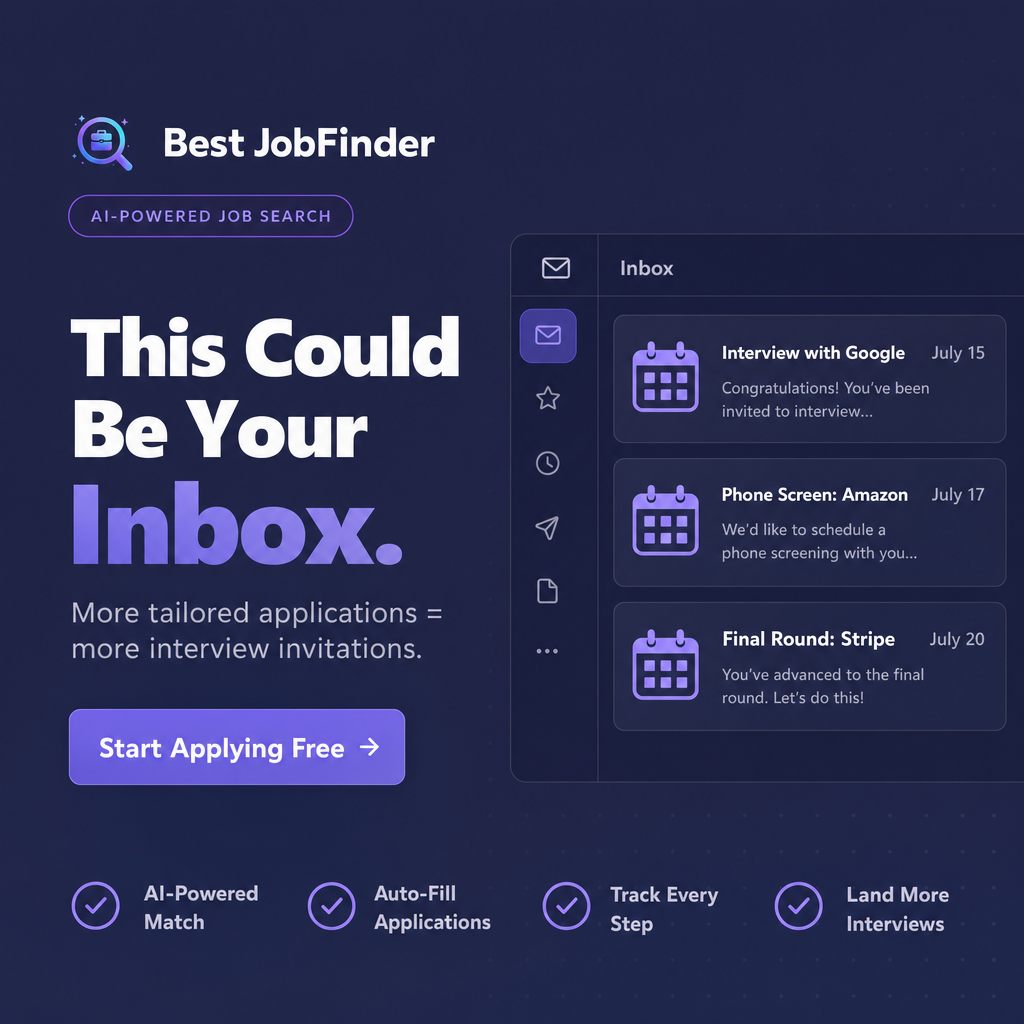
The outcome that matters is a real inbox with real invitations — a phone screen scheduled, an interview confirmed, a next round booked — instead of a folder of silent rejections. That's the entire point of the exercise: not a better-looking resume for its own sake, but a resume that actually reaches the person deciding whether to talk to you.
Frequently asked questions
Is it true that most applications are rejected by an algorithm before a human sees them?
Estimates on this vary by source and methodology, and no single number applies to every company or ATS — some employers barely filter, others filter aggressively. What's consistently reported across recruiting research is that a meaningful share of applications never reach a human reviewer at all, filtered out on parsing, keyword matching, or knockout questions first. Treat any specific percentage, including ones used in marketing, as directional rather than a precise, universal statistic.
What actually causes an ATS to filter out a qualified candidate?
Most often, it's a formatting or content mismatch rather than an actual lack of qualification: a resume format the parser can't read cleanly, required keywords from the posting that are genuinely true of your experience but phrased differently on your resume, or a knockout question (like a work-authorization or years-of-experience filter) answered in a way that trips a hard cutoff.
Does 'beating the ATS' mean stuffing keywords into a resume?
No — keyword stuffing without context is a known failure mode, and increasingly, screening systems weigh a term's context, not just its raw frequency. Placing the posting's own vocabulary inside real, specific accomplishments — where it's actually true — is what improves parsing and ranking without turning a resume into a list of buzzwords.
If a resume clears the ATS but the candidate still doesn't hear back, whose fault is that?
At that point, the ATS isn't the bottleneck anymore — the resume reached a human, and the outcome depends on the same factors it always did: fit, competition, and how compellingly the experience is presented. Getting past the ATS wall gets you into the pool being actually considered; it doesn't guarantee what happens next.
Ready to automate your job search?
Best JobFinder combines job discovery, AI skill matching, resume tailoring, and configurable auto-submit in one platform — with a 7-day free trial.
Try Best JobFinder free →